Mid-Term Pharmacology
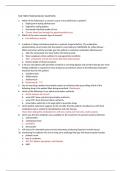
MID-TERM PHARMACOLOGY QUESTIONS 1. Which of the following is a common cause of iron deficiency in patient? a. Rapid grown during adolescence b. Vegetarian eating pattern c. Decreased intestinal uptake of iron d. Chronic blood loss through the gastrointestinal tract. 2. Which of the most common type of anemia? a. Iron deficiency anemia 3. A patient is taking oral ketoconazole for a systemic fungal infection. The medication administration record notes that the patient is also taking ho MEPRAZOL for reflux disease . What instruction will the provider give the patient to maximize medication effectiveness? a. Take the omeprazole one hour before the ketoconazole b. Wear sunglasses when outdoors to manage photo sensitivity c. Take omeprazole at least two hours after keto ketoconazole d. Restrict intake of dietary products 4. A 70 year old patient with penicillin sensitivity is receiving digoxin and warfarin therapy hey mark holiday antibiotic is required to treat streptococcal infection which of the following medication would be best for this patient a. Clarithromycin b. Telithromycin c. Azithromycin d. Erythromycin ???/ 5. You are teaching a patient to promptly report any diarrhea after prescribing which of the following drug is the patient likely being prescribed. Clindamycin 6. which of the following is true about prescriptive authority a. all the answers are correct b. some MP's have restricted prescriptive authority c. some MP's have full prescriptive authority d. prescriptive authority is the legal right to prescribe drugs 7. which patient statement suggests to the provider that the patient nonadherence with their medication plan is related to dissatisfaction with the therapy I have been taking this medication for well ove a week and I lost only a half a pound. 8. which was the first antibiotic class available for the treatment of systemic bacterial infection a. sulfonamides b. cephalosporinase c. penicillin’s d. tetracycline 9. risk factors for extended spectrum beta lactamase producing Organism include except 10. monitoring for patients who are on long term antifungal therapy with ketoconazole Includes a. platelet count b. bun & creatinine c. AST ALT, alkaline phosphate, and bilirubin d. WBC 11. Which antipyretic drug would you prescribe the patient of a child with influenza A. Acetaminophen ? B. ibuprofen C. none of the answers are correct D. naproxen E. aspirin 12. a patient comes to the clinic and receive valacyclovir for herpes zoster virus when will the provider instruct the patient to take the medication a. Without regard to meals b. without any dairy product c. each morning d. an empty stomach 13. A patient has been diagnosed with onychomycosis the patient disliked the yellow discoloration of the toenails and request an oral form of ketoconazole. How would you respond? a. ketoconazole only treats viral infection b. ketoconazole taken orally has a higher risk of liver injury c. ketoconazole is only available in topical formulation d. the discoloration will subside without treatments in the next few days 14. The Beers criteria is utilized with which population of patient A. Ob/gyn B. Pediatrics C. mental health D. geriatris ? 15. a Pediatrics provider is teaching nursing student to calculate medication doses for children using a formula based on body surface area. which statement nursing student indicates understanding of teaching? a. This formula can determine medication dosing for a child of any age b. this formula accounts for pharmacokinetics factors that are different in children c. this formula helps approximate the first dose other doses should be based on clinical observations d. using this formula will prevent side effects of medication and children 16. A 6 month old infant is brought into the clinic with rash on the face and eye. That consists of linear erythematous burrows. An older sibling has similar rash on his wrist in between his fingers and appropriate intervention would be? a. mycitracin ointment b. Permethrin 5% cream (elimite)? c. bacitracin ointment d. ACITRETIN (SORIATANE) 17. Patient on chronic long term corticosteroid therapy, needs education regarding a. Small amount of alcohol are generally tolerated b. reporting black tarry stools or abdominal pain c. receiving all vaccination specially delivered flu vaccine d. eating high carbohydrate diet with plenty of fluids 18. physiological change in elderly that accounts for small volume of distribution and an increase in plasma concentration of digoxin is a. decreased total body fat b. increase total body water c. increased activity of hepatic enzymes that facilitate drug metabolism d. decrease rate of elimination due to decreased renal function 19. regarding the most common causes of adverse reaction in older adults which of the following would you find to be decreased in the most common cause of this problem in older adults a. liver function b. plasma albumin level c. body fat content d. renal function/clearance 20. an infant develop a pruritic following exposure to an allergen. The infant's parent asked the provider about using a topical antihistamine. what information should that provider use to address the parents question a. anti histamine given by this route are not absorbed as well as in children b. the child will also need oral medication to achieve effective results c. applying anti histamine to the skin can cause toxicity in the age group d. topical medication have fewer side effects than those given by other routes 21. a patient who has congestive heart failure requires a diuretic the patient also has a history of chronic kidney disease with GFR of less than 30ML per minute which drug prescribed for this patient a. Metolazone b. Methyclothiazide c. Furosemide d. Hydrochlorothiazide 22. Which outcomes should the NP establish for patient with trichomoniasis who is receiving metronidazole? A. improvement in pain in the back of the testicles B. decrease in yellow green, odorous vaginal discharge C. resolution of genital and perianal warts D. Absence of painful urination and watery discharge 23. a patient is diagnosed with lymphangitis has an allergy to penicillin the allergies are rash. What would you give to this patient? A. Clindamycin IV 24. which laboratory tests should be done at baseline when initiating a statin therapy A. platelets B. urinalysis C. LFTs LIVER ENZYME D. TSH 25. The patient is receiving anticoagulant therapy the INR value of the patients today is 1.5 in response to this what will you do a. the level is within the expected target therapeutic level of anticoagulation b. the level outside the expected target therapeutic level of anticoagulation, it is too low
Document information
- Uploaded on
- January 17, 2024
- Number of pages
- 31
- Written in
- 2023/2024
- Type
- Exam (elaborations)
- Contains
- Questions & answers