NR 507 Midterm Anemia Latest 2024 Rated A
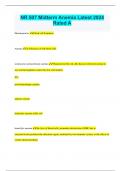
NR 507 Midterm Anemia Latest 2024 Rated A Hematopoiesis blood cell formation Anemia a deficiency of red blood cells normocytic normochromic anemia Characterized by red cells that are relatively normal in size and hemoglobin content but low cell number EX: post-hemorrhagic anemia aplastic anemia hemolytic anemia sickle cell hemolytic anemia the lysis of blood cells. premature destruction of RBC due to enzymes/toxins produced by infectious agent, mediated by own immune system, or the effects of certain chemicals/drugs causes of hemolytic anemia Causes: blood transfusion reaction, sickle cell anemia, RH incompatibility, autoimmune disorder macrocytic normochromic anemia (megoblastic) unusually large cells but normal Hgb level not enough building blocks to make DNA so erythroblasts cont to enlarge instead of undergoing cell division. decrease Vitamin B12 or folic acid EX. pernicious anemia (PA) folate deficiency anemia pernicious anemia lack of mature erythrocytes caused by inability to absorb vitamin B12 into the bloodstream causes of pernicious anemia autoimmune gastritis, gastrectomy -loss of GI cells (happens with Bariatric procedures) producing intrinsic factor (IF /protein necessary for vit B12 absorption) patho of pernicious anemia malabsorption of B12 due to lowered IF production/secretion decreased DNA synthesis decreased RBC # and also decreased myelination associated neuropathies microcytic hypochromic anemia anemia characterized by small, pale red blood cells that lack adequate hemoglobin to carry oxygen; can be caused by deficiency of iron or vitamin B6 iron deficiency anemia anemia resulting when there is not enough iron to build hemoglobin for red blood cellsAffects children, poverty, child bearing age causes of iron deficiency anemia -inadequate dietary intake -chronic and or occult bleeding e.g. hemorrhage, colitis, cirrhosis, GI ulcers, esophageal lesions, or menorrhagia (loss of 2-4 mL blood /day = 1-2 mg Fe) -↓ ability to utilize Fe for heme synthesis e.g. transferrin deficiencies, mitochondrial defects patho of iron deficiency anemia insufficient Fe levels or inability for mitochondria to utilize Fe effectively -decreased Hb synthesis leads to smaller, paler cells Inherited Disorders of Erythrocytes: Hemoglobinopathies genes encoding synthesis of the alpha protein chains for Hb are located on chromosome #16 genes encoding synthesis of the beta protein chains for Hb are located on chromosome #11 over 300+ different Hb gene defects have been documented Ex: Sickle Cell Anemia Thalassemia sickle cell anemia hereditary disorder of abnormal hemoglobin producing sickle-shaped erythrocytes and hemolysis inherited autosomal recessive genetic disorder Results in an elongated Hgb molecules - HgbS which doesn't bind to O2 as readily. -distortion of RBCs -RBCs rupture after only 10-15 d in circulation -anemia S/S Complications of sickle cell anemia Destruction of the spleen, sickle cell pain crisis, acute chest syndrome, priapism, stroke, jaundice -The lysis of large amounts of RBCs puts the patient at risk for circulatory iron overload -Abnormal RBCs also - occlude blood vessels and spleen - high risk for CVA and splenic damage Thalassemia inherited autosomal recessive genetic defect in ability to produce hemoglobin, leading to hypochromia. -distortion and dysfunction of RBCs function of hemoglobin In red blood cells, carries oxygen from the lungs to body's tissues and returns carbon dioxide from tissues back to lungs. It also maintains the shape of red blood cells. Macrophages in the spleen digest RBCs to recycle parts of it Erythropoietin A hormone produced and released by the kidney that stimulates the production of red blood cells by the bone marrow. Is made in kidney & liver in response to tissue hypoxia Androgens erythropoiesis is also stimulated by Erythrocytes red blood cells (RBC); no nucleus, contain hemoglobin which carries oxygen erythrocyte function and lifespan -Red blood cells shape is biconcave -disks for maximum area for gas exchange that squeeze through capillaries - -live for 100-120 days nitric oxide (NO) -diffuses into RBCs to also bind to Hgb. -released from RBCs during circulation in -small amts and promotes vasodilation, as blood cells release O2 CO2 also binds to Hgb (deoxyhemoglobingives venous blood its purple/blue color) released in the lungs
Written for
- Institution
- NR 507 ADVANCED PATHOPHYSIOLOGY
- Course
- NR 507 ADVANCED PATHOPHYSIOLOGY
Document information
- Uploaded on
- January 15, 2024
- Number of pages
- 8
- Written in
- 2023/2024
- Type
- Exam (elaborations)
- Contains
- Questions & answers
Subjects
-
nr 507 midterm anemia latest 2024 rated a

Also available in package deal