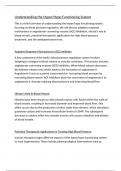
Understanding the Hyper/Hypo Functioning System
This is a brief overview of understanding the hyper/hypo functioning system,
focusing on blood pressure regulation. We will discuss adaptive response
mechanisms in angiotensin converting enzyme (ACE) inhibition, nitrate's role in
blood vessels, potential therapeutic applications for high blood pressure
treatment, and the antihypertensive tree.
Adaptive Response Mechanisms in ACE Inhibition
A key component of the body's blood pressure regulation system involves
adapting to changes in blood volume or vascular resistance. This process includes
angiotensin-converting enzyme (ACE) inhibition. When blood volume decreases,
the kidneys release renin which leads to the formation of angiotensin II.
Angiotensin II acts as a potent vasoconstrictor, increasing blood pressure by
narrowing blood vessels. ACE inhibitors block the conversion of angiotensin I to
angiotensin II, thereby reducing blood pressure and improving blood flow.
Nitrate's Role in Blood Vessels
Nitrates have been shown to relax smooth muscle cells found within the walls of
blood vessels, resulting in increased diameter and improved blood flow. This
effect occurs due to the production of nitric oxide from nitrates, which stimulates
guanylate cyclase and increases intracellular levels of cGMP. The subsequent
decrease in calcium influx into smooth muscle cells causes relaxation and dilation
of blood vessels.
Potential Therapeutic Applications in Treating High Blood Pressure
Various therapies target different aspects of the hyper/hypo functioning system
to treat hypertension. These include pharmacological interventions such as
This is a brief overview of understanding the hyper/hypo functioning system,
focusing on blood pressure regulation. We will discuss adaptive response
mechanisms in angiotensin converting enzyme (ACE) inhibition, nitrate's role in
blood vessels, potential therapeutic applications for high blood pressure
treatment, and the antihypertensive tree.
Adaptive Response Mechanisms in ACE Inhibition
A key component of the body's blood pressure regulation system involves
adapting to changes in blood volume or vascular resistance. This process includes
angiotensin-converting enzyme (ACE) inhibition. When blood volume decreases,
the kidneys release renin which leads to the formation of angiotensin II.
Angiotensin II acts as a potent vasoconstrictor, increasing blood pressure by
narrowing blood vessels. ACE inhibitors block the conversion of angiotensin I to
angiotensin II, thereby reducing blood pressure and improving blood flow.
Nitrate's Role in Blood Vessels
Nitrates have been shown to relax smooth muscle cells found within the walls of
blood vessels, resulting in increased diameter and improved blood flow. This
effect occurs due to the production of nitric oxide from nitrates, which stimulates
guanylate cyclase and increases intracellular levels of cGMP. The subsequent
decrease in calcium influx into smooth muscle cells causes relaxation and dilation
of blood vessels.
Potential Therapeutic Applications in Treating High Blood Pressure
Various therapies target different aspects of the hyper/hypo functioning system
to treat hypertension. These include pharmacological interventions such as