GEO4-2610
Corporate
Sustainability
& Step 1 Understanding the SDGs
- Lecture 1
Change - Lecture 2
Management Step 2 defining priorities
- Lecture 3
Step 3: setting goals
- Lecture 4
Step 4: integrating
- Lecture 5
- Tutorial 3
- Lecture 6
Step 5: reporting and communicating
- Lecture 7
- Tutorial 5
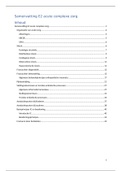
,CONTENTS
Lecture 1: (corporate sustainability and change management I) ...................................................................................................................................... 2
GRI, UN Global Compact & WBCSD (2018). ................................................................................................................................................................... 2
Lee, M. D. P. (2008)........................................................................................................................................................................................................ 3
Lecture notes ................................................................................................................................................................................................................. 4
Lecture 2 (corporate sustainability and change management II) ...................................................................................................................................... 6
Jones, G. R. (2013). ........................................................................................................................................................................................................ 6
Maon, F., Lindgreen, A., & Swaen, V. (2009).................................................................................................................................................................. 7
Lecture notes ................................................................................................................................................................................................................. 9
Guest lecture ............................................................................................................................................................................................................... 12
Lecture 3 (Stakeholder management) .............................................................................................................................................................................. 13
GRI, UN Global Compact & WBCSD (2018). ................................................................................................................................................................. 13
Lozano, R. (2015) ......................................................................................................................................................................................................... 14
Greenwood, M. (2007). ............................................................................................................................................................................................... 15
van Huijstee, M. & Glasbergen, P. (2010). ................................................................................................................................................................... 18
Lecture Notes .............................................................................................................................................................................................................. 19
Guest lecture; stakeholder engagement...................................................................................................................................................................... 22
Lecture 4 (Sustainable business strategies) ..................................................................................................................................................................... 24
GRI, UN Global Compact & WBCSD (2018). ................................................................................................................................................................. 24
Baumgartner, R. J. & Edler, D. (2010). ......................................................................................................................................................................... 24
Figge, F., Hahn, T., Schaltegger, S., & Wagner, M. (2002 ............................................................................................................................................. 27
Lecture notes ............................................................................................................................................................................................................... 28
Tutorial 2 .......................................................................................................................................................................................................................... 31
Lecture 5 (Leadership & Implementing sustainability within firms) ............................................................................................................................... 31
GRI, UN Global Compact & WBCSD (2018.................................................................................................................................................................... 31
Benn, S., Dunphy D. and Griffiths A. (2014) ................................................................................................................................................................. 32
Jones, G. R. (2013). ...................................................................................................................................................................................................... 33
White, P. (2009). .......................................................................................................................................................................................................... 34
Lecture notes: LEadership and implementing sustainability ........................................................................................................................................ 35
Tutorial 3 (Resistance to change) ..................................................................................................................................................................................... 37
Bovey, W.H. and A. Hede. (2001). ................................................................................................................................................................................ 37
Burnes, B. (2015). ........................................................................................................................................................................................................ 39
Jones, G. R. (2013). ...................................................................................................................................................................................................... 40
Notes tutorial ............................................................................................................................................................................................................... 41
Lecture 6 (Sustainable supply chain management) ......................................................................................................................................................... 42
Beske, P., & Seuring, S. (2014). .................................................................................................................................................................................... 42
Villena, V. H., & Gioia, D. A. (2020 ............................................................................................................................................................................... 44
Lecture notes: sustainable supply chain management ................................................................................................................................................ 46
Guest lecture: sustainable sourcing and external assurance ....................................................................................................................................... 47
Tutorial 4 .......................................................................................................................................................................................................................... 49
Lecture 7 (Sustainability reporting).................................................................................................................................................................................. 49
GRI, UN Global Compact & WBCSD (2018). ................................................................................................................................................................. 49
United Nations Environment Programme (2019). ....................................................................................................................................................... 50
Pucker, K.P. (2021). ...................................................................................................................................................................................................... 53
Lecture notes ............................................................................................................................................................................................................... 54
Guest lecture ............................................................................................................................................................................................................... 55
Tutorial 5 (Shareholder engagement) – addition ............................................................................................................................................................. 56
Lafarre, A., & Van der Elst, C. (2018). Shareholder sustainability activism in the Netherlands. European Corporate Governance Institute (ECGI) - Law
Working Paper. ............................................................................................................................................................................................................ 56
Lecture 1: (corporate sustainability and change management I) | Lecture notes
1
,LECTURE 1: (CORPORATE SUSTAINABILITY AND CHANGE MANAGEMENT I )
GRI, UN GLOBAL COMPACT & WBCSD (2018). SDG Compass: The guide for business action on the SDGs, pp.1-10.
Why do the SDGs matter for business?
- The Sustainable Development Goals (SDGs) define global sustainable development priorities and aspirations
for 2030 and seek to mobilize global efforts around a common set of goals and targets
- Unlike their predecessor, the Millennium Development Goals, the SDGs explicitly call on all businesses to apply
their creativity and innovation to solve sustainable development challenges. The SDGs have been agreed on by
all governments, yet their success relies heavily on action and collaboration by all actors.
- Companies can use the SDGs as an overarching framework
- Range of benefits:
o Identifying future business opportunities
o Enhancing the value of corporate sustainability
o Strengthening stakeholder relations and keeping the pace with policy developments
o Stabilizing societies and markets
o Using a common language and shared purpose
What is the SDG compass?
- The objective of the SDG Compass is to guide companies on how they can align their strategies as well as
measure and manage their contribution to the SDGs
- The compass is focused on large multinational enterprises
- 5 steps; rest on the recognition of the responsibility of all companies to comply with all relevant legislation,
respect international minimum standards and address as a priority all negative human rights impacts
o Understanding the SDGs
o Defining priorities
o Setting goals
o Integrating
o Reporting and
communicating
Step 1: understanding the SDGs
- As a first step, it’s important to
familiarize yourself with the SDGs and
understand the opportunities and
responsibilities they represent to your
business.
- the goals encourage companies to reduce their negative impacts while enhancing their positive contribution to
the sustainable development agenda.
- What are the SDGs?
o The goals are universally applicable in developing and developed countries alike. Governments are
expected to translate them into national action plans, policies, and initiatives, reflecting the different
realities and capacities their countries possess
o While they primarily target governments, the SDGs are designed to rally a wide range of
organizations, and shape priorities and aspirations for sustainable development efforts around a
common framework. Most importantly, the SDGs recognize the key role that business can and must
play in achieving them.
- Understanding the business case
o By developing and delivering solutions for the achievement of the SDGs, companies will discover new
growth opportunities and lower their risk profiles
o Range of benefits:
▪ Identifying future business opportunities
Lecture 1: (corporate sustainability and change management I) | Lecture notes
2
, • global sustainable development challenges already represent market opportunities
for those companies able to develop and deliver innovative and effective solutions
▪ Enhancing the value of corporate sustainability
• By integrating sustainability considerations across the value chain, companies can
protect and create value for themselves by, for example, increasing sales,
developing new market segments, strengthening the brand, improving operational
efficiency, stimulating product innovation, and reducing employee turnover
▪ Strengthening stakeholder relations and keeping pace with policy developments
• Companies that align their priorities with the SDGs can better engage with
customers, employees, and other stakeholders, with those that are not exposed to
growing legal and reputational risks.
o Improve trust among stakeholders;
o Strengthen their license to operate;
o Reduce legal, reputational and other business risks;
o Build resilience to costs or requirements imposed by future legislation.
▪ Stabilizing societies and markets
• Businesses cannot succeed in societies that fail. Investing in the achievement of the
SDGs supports pillars of business success.
▪ Using a common language and shared purpose
• Businesses cannot succeed in societies that fail. Investing in the achievement of the
SDGs supports pillars of business success.
- The baseline responsibilities for businesses
o The SDG Compass rests on the recognition of the responsibility of all companies
o human rights is distinct from a company’s effort to support or promote human rights. It is a baseline
expectation of all companies
o it should always be a priority for a company to address all adverse human rights impacts associated
with its operations and value chain
o Priority should be given to adverse human rights impacts or risk, regardless of the potential cost or
benefit to the business
LEE, M. D. P. (2008). A review of the theories of corporate social responsibility: Its evolutionary path and the road
ahead. International Journal of Management Reviews, 10(1), 53-73.
At the end of the paper: limitations of the business case for CSR
There has been a progressive rationalisation of the concept of CSR and coupling it with the organisation’s financial goals.
Rationalisation involves two broad shifts in the conceptualisation of CSR;
- For the level of analysis, firms have moved from the discussion of the macro-social effects of CSR to an
organisational-level analysis of CSRs effect on profit
- For theoretical orientation, researchers have moved from explicitly normative and ethics-oriented arguments
to implicitly normative and performance-oriented managerial studies.
Purpose study: Trace the conceptual developmental path of theories on CSR and reflect on the implications of the
change.
The shift in the conceptualisation of CSR did not
occur instantly. Instead, it was a gradual and arduous
process. Before, most mid-level managers saw CSR as
a cost with highly uncertain outcomes resulting in
significant resistance. However, later on, the concept
of CSR has been progressively rationalised and
became associated with broader organisational goals
such as reputation and stakeholder management.
And more research showed that it positively
influenced financial performance.
Lecture 1: (corporate sustainability and change management I) | Lecture notes
3
Corporate
Sustainability
& Step 1 Understanding the SDGs
- Lecture 1
Change - Lecture 2
Management Step 2 defining priorities
- Lecture 3
Step 3: setting goals
- Lecture 4
Step 4: integrating
- Lecture 5
- Tutorial 3
- Lecture 6
Step 5: reporting and communicating
- Lecture 7
- Tutorial 5
,CONTENTS
Lecture 1: (corporate sustainability and change management I) ...................................................................................................................................... 2
GRI, UN Global Compact & WBCSD (2018). ................................................................................................................................................................... 2
Lee, M. D. P. (2008)........................................................................................................................................................................................................ 3
Lecture notes ................................................................................................................................................................................................................. 4
Lecture 2 (corporate sustainability and change management II) ...................................................................................................................................... 6
Jones, G. R. (2013). ........................................................................................................................................................................................................ 6
Maon, F., Lindgreen, A., & Swaen, V. (2009).................................................................................................................................................................. 7
Lecture notes ................................................................................................................................................................................................................. 9
Guest lecture ............................................................................................................................................................................................................... 12
Lecture 3 (Stakeholder management) .............................................................................................................................................................................. 13
GRI, UN Global Compact & WBCSD (2018). ................................................................................................................................................................. 13
Lozano, R. (2015) ......................................................................................................................................................................................................... 14
Greenwood, M. (2007). ............................................................................................................................................................................................... 15
van Huijstee, M. & Glasbergen, P. (2010). ................................................................................................................................................................... 18
Lecture Notes .............................................................................................................................................................................................................. 19
Guest lecture; stakeholder engagement...................................................................................................................................................................... 22
Lecture 4 (Sustainable business strategies) ..................................................................................................................................................................... 24
GRI, UN Global Compact & WBCSD (2018). ................................................................................................................................................................. 24
Baumgartner, R. J. & Edler, D. (2010). ......................................................................................................................................................................... 24
Figge, F., Hahn, T., Schaltegger, S., & Wagner, M. (2002 ............................................................................................................................................. 27
Lecture notes ............................................................................................................................................................................................................... 28
Tutorial 2 .......................................................................................................................................................................................................................... 31
Lecture 5 (Leadership & Implementing sustainability within firms) ............................................................................................................................... 31
GRI, UN Global Compact & WBCSD (2018.................................................................................................................................................................... 31
Benn, S., Dunphy D. and Griffiths A. (2014) ................................................................................................................................................................. 32
Jones, G. R. (2013). ...................................................................................................................................................................................................... 33
White, P. (2009). .......................................................................................................................................................................................................... 34
Lecture notes: LEadership and implementing sustainability ........................................................................................................................................ 35
Tutorial 3 (Resistance to change) ..................................................................................................................................................................................... 37
Bovey, W.H. and A. Hede. (2001). ................................................................................................................................................................................ 37
Burnes, B. (2015). ........................................................................................................................................................................................................ 39
Jones, G. R. (2013). ...................................................................................................................................................................................................... 40
Notes tutorial ............................................................................................................................................................................................................... 41
Lecture 6 (Sustainable supply chain management) ......................................................................................................................................................... 42
Beske, P., & Seuring, S. (2014). .................................................................................................................................................................................... 42
Villena, V. H., & Gioia, D. A. (2020 ............................................................................................................................................................................... 44
Lecture notes: sustainable supply chain management ................................................................................................................................................ 46
Guest lecture: sustainable sourcing and external assurance ....................................................................................................................................... 47
Tutorial 4 .......................................................................................................................................................................................................................... 49
Lecture 7 (Sustainability reporting).................................................................................................................................................................................. 49
GRI, UN Global Compact & WBCSD (2018). ................................................................................................................................................................. 49
United Nations Environment Programme (2019). ....................................................................................................................................................... 50
Pucker, K.P. (2021). ...................................................................................................................................................................................................... 53
Lecture notes ............................................................................................................................................................................................................... 54
Guest lecture ............................................................................................................................................................................................................... 55
Tutorial 5 (Shareholder engagement) – addition ............................................................................................................................................................. 56
Lafarre, A., & Van der Elst, C. (2018). Shareholder sustainability activism in the Netherlands. European Corporate Governance Institute (ECGI) - Law
Working Paper. ............................................................................................................................................................................................................ 56
Lecture 1: (corporate sustainability and change management I) | Lecture notes
1
,LECTURE 1: (CORPORATE SUSTAINABILITY AND CHANGE MANAGEMENT I )
GRI, UN GLOBAL COMPACT & WBCSD (2018). SDG Compass: The guide for business action on the SDGs, pp.1-10.
Why do the SDGs matter for business?
- The Sustainable Development Goals (SDGs) define global sustainable development priorities and aspirations
for 2030 and seek to mobilize global efforts around a common set of goals and targets
- Unlike their predecessor, the Millennium Development Goals, the SDGs explicitly call on all businesses to apply
their creativity and innovation to solve sustainable development challenges. The SDGs have been agreed on by
all governments, yet their success relies heavily on action and collaboration by all actors.
- Companies can use the SDGs as an overarching framework
- Range of benefits:
o Identifying future business opportunities
o Enhancing the value of corporate sustainability
o Strengthening stakeholder relations and keeping the pace with policy developments
o Stabilizing societies and markets
o Using a common language and shared purpose
What is the SDG compass?
- The objective of the SDG Compass is to guide companies on how they can align their strategies as well as
measure and manage their contribution to the SDGs
- The compass is focused on large multinational enterprises
- 5 steps; rest on the recognition of the responsibility of all companies to comply with all relevant legislation,
respect international minimum standards and address as a priority all negative human rights impacts
o Understanding the SDGs
o Defining priorities
o Setting goals
o Integrating
o Reporting and
communicating
Step 1: understanding the SDGs
- As a first step, it’s important to
familiarize yourself with the SDGs and
understand the opportunities and
responsibilities they represent to your
business.
- the goals encourage companies to reduce their negative impacts while enhancing their positive contribution to
the sustainable development agenda.
- What are the SDGs?
o The goals are universally applicable in developing and developed countries alike. Governments are
expected to translate them into national action plans, policies, and initiatives, reflecting the different
realities and capacities their countries possess
o While they primarily target governments, the SDGs are designed to rally a wide range of
organizations, and shape priorities and aspirations for sustainable development efforts around a
common framework. Most importantly, the SDGs recognize the key role that business can and must
play in achieving them.
- Understanding the business case
o By developing and delivering solutions for the achievement of the SDGs, companies will discover new
growth opportunities and lower their risk profiles
o Range of benefits:
▪ Identifying future business opportunities
Lecture 1: (corporate sustainability and change management I) | Lecture notes
2
, • global sustainable development challenges already represent market opportunities
for those companies able to develop and deliver innovative and effective solutions
▪ Enhancing the value of corporate sustainability
• By integrating sustainability considerations across the value chain, companies can
protect and create value for themselves by, for example, increasing sales,
developing new market segments, strengthening the brand, improving operational
efficiency, stimulating product innovation, and reducing employee turnover
▪ Strengthening stakeholder relations and keeping pace with policy developments
• Companies that align their priorities with the SDGs can better engage with
customers, employees, and other stakeholders, with those that are not exposed to
growing legal and reputational risks.
o Improve trust among stakeholders;
o Strengthen their license to operate;
o Reduce legal, reputational and other business risks;
o Build resilience to costs or requirements imposed by future legislation.
▪ Stabilizing societies and markets
• Businesses cannot succeed in societies that fail. Investing in the achievement of the
SDGs supports pillars of business success.
▪ Using a common language and shared purpose
• Businesses cannot succeed in societies that fail. Investing in the achievement of the
SDGs supports pillars of business success.
- The baseline responsibilities for businesses
o The SDG Compass rests on the recognition of the responsibility of all companies
o human rights is distinct from a company’s effort to support or promote human rights. It is a baseline
expectation of all companies
o it should always be a priority for a company to address all adverse human rights impacts associated
with its operations and value chain
o Priority should be given to adverse human rights impacts or risk, regardless of the potential cost or
benefit to the business
LEE, M. D. P. (2008). A review of the theories of corporate social responsibility: Its evolutionary path and the road
ahead. International Journal of Management Reviews, 10(1), 53-73.
At the end of the paper: limitations of the business case for CSR
There has been a progressive rationalisation of the concept of CSR and coupling it with the organisation’s financial goals.
Rationalisation involves two broad shifts in the conceptualisation of CSR;
- For the level of analysis, firms have moved from the discussion of the macro-social effects of CSR to an
organisational-level analysis of CSRs effect on profit
- For theoretical orientation, researchers have moved from explicitly normative and ethics-oriented arguments
to implicitly normative and performance-oriented managerial studies.
Purpose study: Trace the conceptual developmental path of theories on CSR and reflect on the implications of the
change.
The shift in the conceptualisation of CSR did not
occur instantly. Instead, it was a gradual and arduous
process. Before, most mid-level managers saw CSR as
a cost with highly uncertain outcomes resulting in
significant resistance. However, later on, the concept
of CSR has been progressively rationalised and
became associated with broader organisational goals
such as reputation and stakeholder management.
And more research showed that it positively
influenced financial performance.
Lecture 1: (corporate sustainability and change management I) | Lecture notes
3