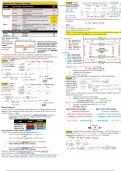
Example: What is
the pH of a buffer
system containing
1.0 M CH3COOH
and 1.0 M
CH3COONa?
Ka = 1.8 x 10⁻⁵
Kb = 5.6 x 10⁻¹⁰
Henderson-Hasselbalch Equation (derived from the equilibrium expression for a
weak acid).
pH = pKa + log ([A-] / [HA])
where:
pKa = -log Ka
[A-] = initial concentration of conjugate base
[HA] = initial concentration of acid
NOTE: The HH equation is only good for relatively concentrated buffer solutions. If
not concentrated, you will have to solve for pH with ICE table.
The Common-Ion Effect
What would
happen to the pH
of an acetic acid
solution if
sodium acetate
was added?
The common-ion effect is the shift in equilibrium caused by the addition of a
compound having an ion in common with the dissolved substance. The presence of a
common ion suppresses the ionization of a weak acid or a weak base.
Example: Calculate
the pH of a 0.20 M
CH3COOH solution
with no salt added. Using the Henderson-Hasselbalch Equation in reverse.
-5
pH = pKa + log ([A-] / [HA])
Ka = 1.8 x 10 1. Choose weak acid with pKa close to required pH.
2. Substitute into HH equation.
3. Solve for [A-] / [HA].
This will give you the mole ratio of conjugate base to acid (at equilibrium).
Example: What
should be the
ratio of sodium
Example: Calculate acetate to acetic
the pH of a solution acid, [CH3COO-]
containing 0.20 M : [CH3COOH], be
CH3COOH and 0.30 in your buffer
M CH3COONa. solution?
Buffer capacity is the amount of acid or base neutralized by the buffer before there i
Ka = 1.8 x 10⁻⁵ significant change in pH.
• Depends on composition of the buffer.
• Depends on the concentration of buffer components.
[conjugate acid/base] buffer capacity
The pH range of the buffer depends on the Ka of the weak acid.
• If [acid] = [conjugate base], then buffer pH = pKa
• pH range = pKa 1
Buffered Solutions
A buffer solution is a solution that has the ability to resist changes in pH upon the
addition of small amounts of either acid or base (the change in pH, relative to an un-
buffered solution, is slight).
- A buffer solution is composed of an equilibrium mixture containing
comparable concentrations of a weak conjugate acid/base pair.
- Buffers are used to control pH.
Three Methods to make a Buffer Solution Example: Consider the pH of a buffer system containing 1.0 M CH3COOH and 1.0 M
A buffer can be made by mixing appropriate amounts of: CH3COONa. Hint: Ka = 1/8 x 10-5 Starting pH = 4.74 What is the new pH of the
1. A weak acid and a salt containing its conjugate base. system after the addition of 0.10 moles of HCl to 1.0 L of solution?
OR
A weak base and a salt containing its conjugate acid.
2. A weak acid and an appropriate amount of a strong base.
This is MORE DIFFICULT to identify.
3.
A weak base and an appropriate amount of a strong acid.
This is MORE DIFFICULT to identify.
The goal is to produce an equilibrium mixture containing comparable
concentrations of a weak conjugate acid/base pair.
The weak acid + weak base components of a buffer system function to absorb much of
the free H+ and OH- added to the system. This prevents any sharp changes in pH.
the pH of a buffer
system containing
1.0 M CH3COOH
and 1.0 M
CH3COONa?
Ka = 1.8 x 10⁻⁵
Kb = 5.6 x 10⁻¹⁰
Henderson-Hasselbalch Equation (derived from the equilibrium expression for a
weak acid).
pH = pKa + log ([A-] / [HA])
where:
pKa = -log Ka
[A-] = initial concentration of conjugate base
[HA] = initial concentration of acid
NOTE: The HH equation is only good for relatively concentrated buffer solutions. If
not concentrated, you will have to solve for pH with ICE table.
The Common-Ion Effect
What would
happen to the pH
of an acetic acid
solution if
sodium acetate
was added?
The common-ion effect is the shift in equilibrium caused by the addition of a
compound having an ion in common with the dissolved substance. The presence of a
common ion suppresses the ionization of a weak acid or a weak base.
Example: Calculate
the pH of a 0.20 M
CH3COOH solution
with no salt added. Using the Henderson-Hasselbalch Equation in reverse.
-5
pH = pKa + log ([A-] / [HA])
Ka = 1.8 x 10 1. Choose weak acid with pKa close to required pH.
2. Substitute into HH equation.
3. Solve for [A-] / [HA].
This will give you the mole ratio of conjugate base to acid (at equilibrium).
Example: What
should be the
ratio of sodium
Example: Calculate acetate to acetic
the pH of a solution acid, [CH3COO-]
containing 0.20 M : [CH3COOH], be
CH3COOH and 0.30 in your buffer
M CH3COONa. solution?
Buffer capacity is the amount of acid or base neutralized by the buffer before there i
Ka = 1.8 x 10⁻⁵ significant change in pH.
• Depends on composition of the buffer.
• Depends on the concentration of buffer components.
[conjugate acid/base] buffer capacity
The pH range of the buffer depends on the Ka of the weak acid.
• If [acid] = [conjugate base], then buffer pH = pKa
• pH range = pKa 1
Buffered Solutions
A buffer solution is a solution that has the ability to resist changes in pH upon the
addition of small amounts of either acid or base (the change in pH, relative to an un-
buffered solution, is slight).
- A buffer solution is composed of an equilibrium mixture containing
comparable concentrations of a weak conjugate acid/base pair.
- Buffers are used to control pH.
Three Methods to make a Buffer Solution Example: Consider the pH of a buffer system containing 1.0 M CH3COOH and 1.0 M
A buffer can be made by mixing appropriate amounts of: CH3COONa. Hint: Ka = 1/8 x 10-5 Starting pH = 4.74 What is the new pH of the
1. A weak acid and a salt containing its conjugate base. system after the addition of 0.10 moles of HCl to 1.0 L of solution?
OR
A weak base and a salt containing its conjugate acid.
2. A weak acid and an appropriate amount of a strong base.
This is MORE DIFFICULT to identify.
3.
A weak base and an appropriate amount of a strong acid.
This is MORE DIFFICULT to identify.
The goal is to produce an equilibrium mixture containing comparable
concentrations of a weak conjugate acid/base pair.
The weak acid + weak base components of a buffer system function to absorb much of
the free H+ and OH- added to the system. This prevents any sharp changes in pH.