Boccaccio, The Decameron Notes
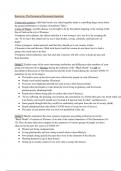
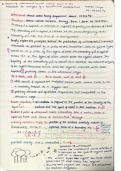
In Boccaccio's The Decameron, a group of individuals in Florence grapple with the devastating impact of the Black Death in 1348. The characters, under the guidance of Pompinea, face the horrors of the plague in different ways. Pompinea advocates leaving the city for survival, highlighting the chaos and death that surround them. Meanwhile, Elissa suggests escaping to country estates, and Filomena emphasizes the importance of men leading the group. To cope with the despair, they decide to tell stories, providing a temporary escape from the grim reality. The citizens of Florence respond similarly, shutting themselves indoors, abandoning jobs, and living indulgently. The stories within The Decameron reflect a mix of lust, passion, and sacrifice, illustrating the various motives and desires of the characters. Boccaccio's tales depict a society in crisis, with individuals responding to the plague in diverse ways. Amidst the tragedy, themes of lust, deception, and sacrifice emerge in the stories told by the characters. The narratives reveal the complex human motivations behind their actions, ranging from indulgence to genuine sacrifice. These tales not only serve as a form of entertainment but also offer a window into the diverse responses of people faced with extraordinary circumstances. Beyond the surface entertainment, the stories explore the depths of human nature, shedding light on the complexities of desire, compassion, and self-preservation in the face of a deadly pandemic.
Written for
- Institution
-
Auburn University
- Course
-
ENGL 2200 (014)
Document information
- Uploaded on
- October 24, 2023
- Number of pages
- 4
- Written in
- 2023/2024
- Type
- Class notes
- Professor(s)
- Barbara brumbaugh
- Contains
- All classes

Also available in package deal