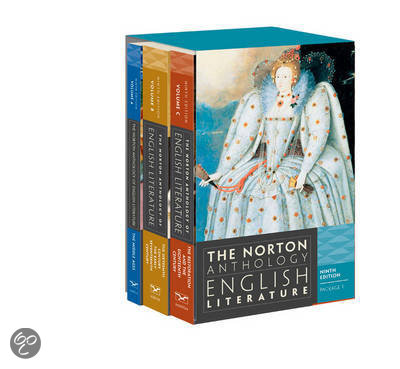
Summary Norton Anthology: The Sixteenth Century 1485-1603
1485: Accession of Henry VII inaugurates the Tudor dynasty
1509: Accession of Henry VIII
1517: Martin Luther’s Wittenberg Theses; beginning of the Reformation
1534: Henry VIII declares himself head of the English church
1557: Publication of Tottel’s Songs and Sonnets, containing poems by Sir Thomas Wyatt;
Henry Howard, earl of Surrey; and others
1558: Accession of Elizabeth I
1576: Building of The Theatre, the first permanent structure in England for the presentation
of plays
1588: Defeat of the Spanish Armada
1603: Death of Elizabeth I and accession of James I, the first of the Stuart kings
Virgil: Britain is wild, remote place, set apart from the world > Continentals crossed the
Channel, visited cities > saw markets, universities, nobles, royal court. Flood of wealthy
young Englishmen: obliged to learn French, Italian, Spanish, wear foreign fashions, foreign
phrases (English language had no prestige abroad: Thomas More’s Utopia written in Latin >
writing for international intellectual community > famous throughout Europe > translated
into English in 1550: linguistic self-confidence). 1600: England peripheral to the Continent >
immensely powerful expressive medium: Marlowe, Shakespeare, translators Bible > thrill
readers. By the century’s end, so many remarkable poems, plays and prose works were
written in English: spectacular creativity of succession of brilliant writers > literary culture is
product of complex process.
The Court and the City
Consolidation and strengthening English state > development English language. 15th century:
English had limited time and inclination to cultivate rhetorical skills, social/economic health
nation damaged by Wars of the Roses: vicious, decades-long struggle for royal power
between noble houses of York and Lancaster > resolved by establishment Tudor dynasty
1485-1603. Owen Tudor: married Catherine of Valois (widow Lancastrian Henry V) >
grandson earl of Richmond became first Tudor monarch (won crown by leading army that
defeated and killed Yorkist king Richard III at battle of Bosworth Field) > crowned by Henry
VII in 1485 > married Elizabeth of the house of York > uniting two rival factions. English
barons: could not oppose new power of Crown; leaders Church supported by royal power.
Henry VII: counter multiple and competing power structures characteristic of feudal society,
impose stronger central authority and order on nation > consolidation progressed
throughout 16th century by Elizabeth I > rules needs consent of Parliament on crucial matters
> royal court had concentrated in itself much of nation’s power. Court was centre of culture
and power: court entertainments, fashions, tastes > shaped taste and imaginations country
as whole. Tudor England: culture and power not separable. Society: no freedom of speech,
limited means of mass communication > important public issues aired through
entertainment (lyrics: manifestations of rhetorical agility by aspiring courtiers). Middle Ages
noblemen: distance from London and king, ruling over semi-independent fiefdoms > route to
power lay to the royal body. Monarch’s chief ministers and favourites: primary channels
1485: Accession of Henry VII inaugurates the Tudor dynasty
1509: Accession of Henry VIII
1517: Martin Luther’s Wittenberg Theses; beginning of the Reformation
1534: Henry VIII declares himself head of the English church
1557: Publication of Tottel’s Songs and Sonnets, containing poems by Sir Thomas Wyatt;
Henry Howard, earl of Surrey; and others
1558: Accession of Elizabeth I
1576: Building of The Theatre, the first permanent structure in England for the presentation
of plays
1588: Defeat of the Spanish Armada
1603: Death of Elizabeth I and accession of James I, the first of the Stuart kings
Virgil: Britain is wild, remote place, set apart from the world > Continentals crossed the
Channel, visited cities > saw markets, universities, nobles, royal court. Flood of wealthy
young Englishmen: obliged to learn French, Italian, Spanish, wear foreign fashions, foreign
phrases (English language had no prestige abroad: Thomas More’s Utopia written in Latin >
writing for international intellectual community > famous throughout Europe > translated
into English in 1550: linguistic self-confidence). 1600: England peripheral to the Continent >
immensely powerful expressive medium: Marlowe, Shakespeare, translators Bible > thrill
readers. By the century’s end, so many remarkable poems, plays and prose works were
written in English: spectacular creativity of succession of brilliant writers > literary culture is
product of complex process.
The Court and the City
Consolidation and strengthening English state > development English language. 15th century:
English had limited time and inclination to cultivate rhetorical skills, social/economic health
nation damaged by Wars of the Roses: vicious, decades-long struggle for royal power
between noble houses of York and Lancaster > resolved by establishment Tudor dynasty
1485-1603. Owen Tudor: married Catherine of Valois (widow Lancastrian Henry V) >
grandson earl of Richmond became first Tudor monarch (won crown by leading army that
defeated and killed Yorkist king Richard III at battle of Bosworth Field) > crowned by Henry
VII in 1485 > married Elizabeth of the house of York > uniting two rival factions. English
barons: could not oppose new power of Crown; leaders Church supported by royal power.
Henry VII: counter multiple and competing power structures characteristic of feudal society,
impose stronger central authority and order on nation > consolidation progressed
throughout 16th century by Elizabeth I > rules needs consent of Parliament on crucial matters
> royal court had concentrated in itself much of nation’s power. Court was centre of culture
and power: court entertainments, fashions, tastes > shaped taste and imaginations country
as whole. Tudor England: culture and power not separable. Society: no freedom of speech,
limited means of mass communication > important public issues aired through
entertainment (lyrics: manifestations of rhetorical agility by aspiring courtiers). Middle Ages
noblemen: distance from London and king, ruling over semi-independent fiefdoms > route to
power lay to the royal body. Monarch’s chief ministers and favourites: primary channels