🔬
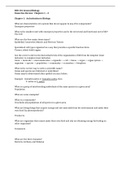
Psychological Inquiry - Part 2
Class Psychology Foundations: The Social Self
https://docs.google.com/document/d/1us273IxxuFinoZrBYwB9bijRm0PP_IPFQR37aUyco4w/edit https://docs.goo
Materials 8o/edit https://docs.google.com/document/d/1eCWcmI9VOhO3yYDpaIuM87-g3GGdE1avAPfp7U0mMKY/edit
Reviewed
Learning Outcomes:
1. Recognise the main ethical principles which guide psychological research, and strategies for conducting research in an ethic
2. Distinguish between qualitative and quantitative research.
3. Examine the use of descriptive methods.
4. Describe the correlational method, as well as its advantages and disadvantages.
5. Determine the goal of the experimental research method, as well as its advantages and disadvantages.
6. Differentiate between experimental and quasi-experimental research.
7. Explain how manipulation and control distinguish the experimental method from other research strategies.
8. Identify examples of techniques for controlling extraneous variables.
9. Discuss how the concepts of internal and external validity apply to the various research strategies.
Learning Outcome 1: Recognise the main ethical principles which guide psychological research, and strategies for con
Ethics in Research:
Ethical Principles include:
1. Institutional Ethics Committees:
The committee is made up of scientist outside the institution conducting the research, and people from the general publi
A Research Proposal must be submitted first outlining the full details of the study. With a complete plan of how the resea
Justify what you are doing and why it's useful.
Justify what you are doing and why it's useful.
You must show a few things:
1. It’s good science - show some results
2. Not going to harm people (unless it’s appropriate for the study) and can be ethically managed.
There is an ethical approval number that will be received
When giving sensitive information the committee must respect that.
Getting support forums are important when questions are asked that makes participants uncomfortable or distressed.
2. National Codes and responsibilities for conducting research in Australia:
Key policy and standards documents to be aware.
1. Australian Code for the Responsible Conduct of Research
provides overall framework for what ethical research should look like.
2. National Statement of Ethical Conduct in Human Research
Set the codes and standards for dangerous and risky research is carefully managed
3. Australian Psychological Society (APS)
Psychological Inquiry - Part 2 1
, Adhering to, as psychology researchers working with humans.
3. Conducting ethical research: General Principles:
Integrity:
Committed to the truth
Committed to research methods that will actually contribute to knowledge
Having valuable reason for wanting to conduct the research
Respect and Consent:
Respect for the dignity of other people
Commit to not treating people as a means to an end
Participants must consent to the study
Beneficence and Safety:
Maximising possible benefits and minimising harm of research.
Committed to treating people fairly.
Balancing between who is going to benefits from the research and who will bear the burdens.
4. Conducting ethical research: Specific guidelines and practices:
Research must be voluntary
Coercion is not be be involved
having informed consent
telling participants what they are getting into.
they need to know what they are consenting to
Tell participants about the risk/s associated
Participants must have the right to end their participation
whenever they want.
Physical harm as well as Psychological harm
Mentioning the potential discomfort and as researchers we must ensure we are assigning and attentive to how peop
Debriefing:
You explain what happened, you explain why they did it, if there was any deception involved, we tell them about it. Y
Deception:
Sometimes we have to deceive to elicit true responses and sometimes that is completely fine. But you have to be ve
Confidentiality: No leak of participants information and/or responses.
How your participant data will be stored and protected
People have the right to remove their data
Participants must have the right to say to you, "I want you to destroy my data.” even if 6-months down the track.
Never divulge (make known of sensitive information) someone’s information:
Learning Outcome 2: Distinguish between qualitative and quantitative research.
Qualitative Research: This is about careful observations.
It's about recording the nuances and the meaning of someone's experiences.
This can be done with interviews and recording the interview.
Thematic Analysis: Pulling out the common themes in what they said. You can then summarise it in a narrative report style.
It's a much more human, subjective and interactive process
If your interest is to find out the meaning of someone's experience, then qualitative methods can be a better approach
Psychological Inquiry - Part 2 2
Psychological Inquiry - Part 2
Class Psychology Foundations: The Social Self
https://docs.google.com/document/d/1us273IxxuFinoZrBYwB9bijRm0PP_IPFQR37aUyco4w/edit https://docs.goo
Materials 8o/edit https://docs.google.com/document/d/1eCWcmI9VOhO3yYDpaIuM87-g3GGdE1avAPfp7U0mMKY/edit
Reviewed
Learning Outcomes:
1. Recognise the main ethical principles which guide psychological research, and strategies for conducting research in an ethic
2. Distinguish between qualitative and quantitative research.
3. Examine the use of descriptive methods.
4. Describe the correlational method, as well as its advantages and disadvantages.
5. Determine the goal of the experimental research method, as well as its advantages and disadvantages.
6. Differentiate between experimental and quasi-experimental research.
7. Explain how manipulation and control distinguish the experimental method from other research strategies.
8. Identify examples of techniques for controlling extraneous variables.
9. Discuss how the concepts of internal and external validity apply to the various research strategies.
Learning Outcome 1: Recognise the main ethical principles which guide psychological research, and strategies for con
Ethics in Research:
Ethical Principles include:
1. Institutional Ethics Committees:
The committee is made up of scientist outside the institution conducting the research, and people from the general publi
A Research Proposal must be submitted first outlining the full details of the study. With a complete plan of how the resea
Justify what you are doing and why it's useful.
Justify what you are doing and why it's useful.
You must show a few things:
1. It’s good science - show some results
2. Not going to harm people (unless it’s appropriate for the study) and can be ethically managed.
There is an ethical approval number that will be received
When giving sensitive information the committee must respect that.
Getting support forums are important when questions are asked that makes participants uncomfortable or distressed.
2. National Codes and responsibilities for conducting research in Australia:
Key policy and standards documents to be aware.
1. Australian Code for the Responsible Conduct of Research
provides overall framework for what ethical research should look like.
2. National Statement of Ethical Conduct in Human Research
Set the codes and standards for dangerous and risky research is carefully managed
3. Australian Psychological Society (APS)
Psychological Inquiry - Part 2 1
, Adhering to, as psychology researchers working with humans.
3. Conducting ethical research: General Principles:
Integrity:
Committed to the truth
Committed to research methods that will actually contribute to knowledge
Having valuable reason for wanting to conduct the research
Respect and Consent:
Respect for the dignity of other people
Commit to not treating people as a means to an end
Participants must consent to the study
Beneficence and Safety:
Maximising possible benefits and minimising harm of research.
Committed to treating people fairly.
Balancing between who is going to benefits from the research and who will bear the burdens.
4. Conducting ethical research: Specific guidelines and practices:
Research must be voluntary
Coercion is not be be involved
having informed consent
telling participants what they are getting into.
they need to know what they are consenting to
Tell participants about the risk/s associated
Participants must have the right to end their participation
whenever they want.
Physical harm as well as Psychological harm
Mentioning the potential discomfort and as researchers we must ensure we are assigning and attentive to how peop
Debriefing:
You explain what happened, you explain why they did it, if there was any deception involved, we tell them about it. Y
Deception:
Sometimes we have to deceive to elicit true responses and sometimes that is completely fine. But you have to be ve
Confidentiality: No leak of participants information and/or responses.
How your participant data will be stored and protected
People have the right to remove their data
Participants must have the right to say to you, "I want you to destroy my data.” even if 6-months down the track.
Never divulge (make known of sensitive information) someone’s information:
Learning Outcome 2: Distinguish between qualitative and quantitative research.
Qualitative Research: This is about careful observations.
It's about recording the nuances and the meaning of someone's experiences.
This can be done with interviews and recording the interview.
Thematic Analysis: Pulling out the common themes in what they said. You can then summarise it in a narrative report style.
It's a much more human, subjective and interactive process
If your interest is to find out the meaning of someone's experience, then qualitative methods can be a better approach
Psychological Inquiry - Part 2 2