Class notes pedodontics
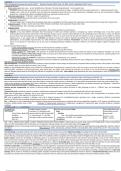
Primary teeth, also known as baby teeth or deciduous teeth, are the first set of teeth that children develop. Although these teeth are eventually replaced by permanent teeth, understanding their anatomy is crucial for maintaining optimal oral health during childhood. Here is a brief description of primary tooth anatomy: Crown: The crown is the visible part of the tooth above the gumline. Each primary tooth has a crown that varies in shape, size, and position. The crown is covered by a protective layer of enamel, which is harder and more mineralized than any other substance in the body. Enamel: Enamel is the outermost layer of the tooth's crown. It is a translucent, highly mineralized substance that protects the underlying tooth structures from bacteria, acids, and other harmful substances. Although enamel is durable, it can still be susceptible to decay if not properly cared for. Dentin: Beneath the enamel lies the dentin, a dense and calcified tissue. Dentin makes up the majority of the tooth structure and provides support and strength. It is not as hard as enamel but is still considered a durable material. Pulp Chamber: The pulp chamber is located in the center of the tooth and contains soft connective tissue, nerves, and blood vessels. The pulp chamber is essential during the development of the tooth but becomes less vital as the tooth matures. It helps nourish and maintain the tooth's health. Root: Below the gumline, the primary tooth has one or more roots that anchor it in the jawbone. The roots are covered by a layer called cementum, which helps attach the tooth to the surrounding bone and tissues. Periodontal Ligament: The periodontal ligament is a fibrous tissue that surrounds the root of the tooth and connects it to the jawbone. It acts as a shock absorber, allowing slight movement and facilitating the process of tooth eruption and exfoliation. Understanding the anatomy of primary teeth is essential for maintaining their health and identifying any potential dental issues. Regular dental check-ups, proper oral hygiene practices, and a balanced diet can help keep primary teeth in good condition and lay the groundwork for healthy permanent teeth. Remember, primary teeth serve as placeholders for permanent teeth and contribute to proper chewing, speech development, and jawbone growth. Caring for primary teeth sets the stage for a lifetime of good oral health and promotes a confident and healthy smile for your child.
Written for
- Institution
- Unknown
- Course
- Pedodontics
Document information
- Uploaded on
- May 13, 2023
- Number of pages
- 2
- Written in
- 2022/2023
- Type
- Class notes
- Professor(s)
- Dr. vidya v
- Contains
- All classes
Subjects