Class notes pedodontics
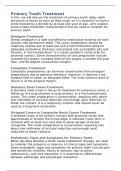
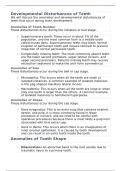
Child behavior management is a crucial aspect of pediatric dentistry that focuses on creating a positive and comfortable environment for children during dental visits. It aims to address anxiety, fears, and behavioral challenges that children may have in the dental clinic, ensuring a positive dental experience. Here is a brief description of pediatric dentistry child behavior management: Child-Friendly Environment: Pediatric dental clinics are designed to be child-friendly, with a welcoming and cheerful atmosphere. Colorful décor, toys, and age-appropriate entertainment help create a comfortable and non-threatening environment that helps alleviate anxiety. Communication and Education: Dentists and staff use child-friendly language and communication techniques to explain dental procedures and treatments. They educate children and parents about oral health, proper brushing and flossing techniques, and the importance of regular dental visits. This helps build trust and understanding between the child, the dental team, and the parents. Behavior Guidance Techniques: Pediatric dentists employ various behavior guidance techniques to help children feel at ease during dental procedures. These techniques may include positive reinforcement, distraction techniques, tell-show-do methods (explaining and demonstrating procedures before performing them), and voice control techniques. By using these strategies, dentists can manage and guide behavior in a supportive and effective manner. Nitrous Oxide Sedation: In some cases, nitrous oxide sedation, also known as "laughing gas," may be used to help children relax during dental treatments. Nitrous oxide is a safe and mild sedative that helps reduce anxiety and discomfort. It is administered through a small mask placed over the child's nose and wears off quickly after the procedure. Conscious Sedation: For more complex dental procedures or for children with severe anxiety or special needs, conscious sedation may be considered. This involves the use of oral medications or intravenous (IV) sedation to induce a state of deep relaxation and reduced awareness during treatment. Conscious sedation is closely monitored by trained professionals to ensure the safety and comfort of the child. Positive Reinforcement and Rewards: Pediatric dentists often use positive reinforcement and rewards to motivate children and acknowledge their cooperation during dental visits. Stickers, small toys, or verbal praise for good behavior help create a positive association with dental care and encourage children to maintain good oral hygiene habits. Pediatric dentistry child behavior management focuses on fostering a positive attitude towards oral health and dental care. By providing a child-friendly environment, effective communication, and appropriate behavior guidance techniques, pediatric dentists aim to create a comfortable and enjoyable experience for children, setting the foundation for a lifetime of good oral health habits
Written for
- Institution
- Unknown
- Course
- Pedodontics
Document information
- Uploaded on
- May 13, 2023
- Number of pages
- 3
- Written in
- 2022/2023
- Type
- Class notes
- Professor(s)
- Dr. amith adyanthaya
- Contains
- All classes
Subjects
- behaviour management
-
child behavior in the dental clinic