Specification
09 August 2021 13:22
,
,Keywords
03 August 2021 12:56
,Core ideas and principles
09 August 2021 13:23
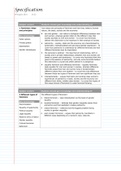
Context of Feminism
The simplest definition of feminism is the advocacy of women’s rights on the
grounds of the desired equality of the sexes.
Early feminism
• Feminist ideas began in the Enlightenment period. The first key feminist
text was by Mary Wollstonecraft, “A Vindication of the Rights of
Women” in 1792.
• Women were still treated as second-class citizens during the 19th
century across the world.
• Women had no domestic rights, legal protection or political voice.
• Feminism did not emerge as an ideology until the 20th century and the
term has only become commonly accepted since the 1960s, according to
Heywood.
21st century feminism
• Feminism embraces a diverse range of beliefs and goals. These have
multiplied and become more complex over time, leading to criticisms of
fragmentation and incoherence.
• But, women’s issues and feminist perspectives are still significant in the
21st century.
• Examples include the #MeToo movement, demands to end the pay gap,
new legislation on domestic violence in the UK and the campaign to stop
changes to abortion laws in some US states.
, Sex and Gender
13 April 2022 13:58
Sex and Gender - Sex refers to biological differences between men and
women. Gender, on the other hand, refers to the different roles that society
ascribes to men and women.
• Sex or biology is natural and unalterable e.g. our genes, hormones and
sexual organs.
• Gender roles are defined by society and culture for men and women,
usually through stereotypes such as "masculine" and "feminine".
Masculine vs feminine
So-called masculine traits, such as competitiveness and aggression, are seen
as superior to so-called feminine traits. Feminine traits are usually portrayed
as passivity and submissiveness.
• Conservative thinkers argued that the social roles men and women have
traditionally taken are those which are best suited to their nature e.g.
men as decision-makers.
Feminist response:
• Feminist thinkers challenged this, emphasising that a woman's sex
should not determine her social position.
• Gender roles are imposed on women, with no resemblance to their
natural abilities, potential or personal ambitions.
• So, gender equality is the idea that women should enjoy equal rights,
entitlements and opportunities.
Personhood and Conflict - The idea of androgyny/personhood is linked to
sex and gender. This says that biological differences are minimal and human
beings should not be judged or shaped by their sex but as people.
• However, different feminists disagree, arguing that there are essential
biological differences between men and women, which alter their
characters and personalities.
Responses of different feminists:
• Liberal feminists argue for equal rights and say women do not need to
accept traditional female responsibilities e.g. to stay at home.
• Socialist feminists argue that gender is less significant than class and
“class politics” should be the key feminist focus.
• Radical feminists say that a child’s upbringing should be a responsibility
of the community or the state, not women.
09 August 2021 13:22
,
,Keywords
03 August 2021 12:56
,Core ideas and principles
09 August 2021 13:23
Context of Feminism
The simplest definition of feminism is the advocacy of women’s rights on the
grounds of the desired equality of the sexes.
Early feminism
• Feminist ideas began in the Enlightenment period. The first key feminist
text was by Mary Wollstonecraft, “A Vindication of the Rights of
Women” in 1792.
• Women were still treated as second-class citizens during the 19th
century across the world.
• Women had no domestic rights, legal protection or political voice.
• Feminism did not emerge as an ideology until the 20th century and the
term has only become commonly accepted since the 1960s, according to
Heywood.
21st century feminism
• Feminism embraces a diverse range of beliefs and goals. These have
multiplied and become more complex over time, leading to criticisms of
fragmentation and incoherence.
• But, women’s issues and feminist perspectives are still significant in the
21st century.
• Examples include the #MeToo movement, demands to end the pay gap,
new legislation on domestic violence in the UK and the campaign to stop
changes to abortion laws in some US states.
, Sex and Gender
13 April 2022 13:58
Sex and Gender - Sex refers to biological differences between men and
women. Gender, on the other hand, refers to the different roles that society
ascribes to men and women.
• Sex or biology is natural and unalterable e.g. our genes, hormones and
sexual organs.
• Gender roles are defined by society and culture for men and women,
usually through stereotypes such as "masculine" and "feminine".
Masculine vs feminine
So-called masculine traits, such as competitiveness and aggression, are seen
as superior to so-called feminine traits. Feminine traits are usually portrayed
as passivity and submissiveness.
• Conservative thinkers argued that the social roles men and women have
traditionally taken are those which are best suited to their nature e.g.
men as decision-makers.
Feminist response:
• Feminist thinkers challenged this, emphasising that a woman's sex
should not determine her social position.
• Gender roles are imposed on women, with no resemblance to their
natural abilities, potential or personal ambitions.
• So, gender equality is the idea that women should enjoy equal rights,
entitlements and opportunities.
Personhood and Conflict - The idea of androgyny/personhood is linked to
sex and gender. This says that biological differences are minimal and human
beings should not be judged or shaped by their sex but as people.
• However, different feminists disagree, arguing that there are essential
biological differences between men and women, which alter their
characters and personalities.
Responses of different feminists:
• Liberal feminists argue for equal rights and say women do not need to
accept traditional female responsibilities e.g. to stay at home.
• Socialist feminists argue that gender is less significant than class and
“class politics” should be the key feminist focus.
• Radical feminists say that a child’s upbringing should be a responsibility
of the community or the state, not women.