NURSING 1 EXAM 3 Complete study guide
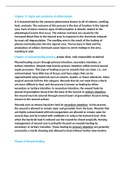
Chapter 11: Signs and symptoms of inflammation It is characterized by the common phenomena known to all of redness, swelling, heat, and pain. The outcome of this process is the loss of function in the injured area. Each of these common signs of inflammation is directly related to the physiological events that occur. The redness and heat are caused by the increased blood flow to the injured area in response to the chemicals released by mast cell degranulation. The swelling seen is the result of the leaking of plasma and leukocytes into the injured area. The increase in fluid and the production of cellular chemicals cause injury to nerve endings in the area, resulting in pain. Chapter 11 wound healing process, proper diets, cells responsible to defend Wound healing occurs through primary intention, secondary intention, or tertiary intention. Wounds that heal by primary intention utilize normal wound repair processes. This type of healing occurs in wounds that are clean, i.e., not contaminated; have little loss of tissue; and have edges that can be approximated using materials such as sutures, staples, or tissue adhesives. Many surgical wounds fall into this category. Wounds that do not meet these criteria are more difficult to heal, and the process is known as healing by either secondary or tertiary intention. In secondary intention, the wound heals by spread of granulation tissue from the base of the wound. In tertiary intention, the wound must be sutured through several layers of granulation tissue to bring closure to the wound surface. Wounds such as venous leg ulcers heal by secondary intention. In this process, the wound is allowed to remain open and granulate from the base. Wounds that are highly contaminated with microorganisms are allowed to remain open for several days and be treated with antibiotics to reduce the bacterial load. Only when the bacterial load is reduced can the wound be closed surgically. Nursing
Document information
- Uploaded on
- August 20, 2022
- Number of pages
- 20
- Written in
- 2022/2023
- Type
- Exam (elaborations)
- Contains
- Questions & answers