Cerebral Vascular Accident (CVA) (Answered)
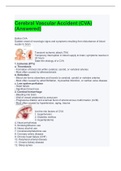
Cerebral Vascular Accident (CVA) (Answered) Define CVA Sudden onset of neurologic signs and symptoms resulting from disturbance of blood supply to brain Transient ischemic attack (TIA) Temporary interruption in blood supply to brain; symptoms resolve in 24 hours State the etiology of a CVA 1. Ischemia (87%) a. Thrombosis - Formation of blood clot within cerebral, carotid, or vertebral arteries - Most often caused by atherosclerosis b. Embolism - Blood clot forms elsewhere and travels to cerebral, carotid or vertebra arteries - Most often caused by atrial fibrillation, myocardial infarction, or cardiac valve disease c. Low system perfusion - Heart failure - Significant blood loss 2. Cerebral hemorrhage - Bleeding into brain - Wall of vessel weakened by aneurysm - Progressive dilation and eventual burst of arteriovenous malformation (AVM) - Most often caused by hypertension, aging, trauma List the risk factors of CVA 1. Hypertension 2. Diabetes mellitus 3. Hyperlipidemia 4. Heart arrhythmias 5. Smoking/tobacco use 6. Heavy alcohol use 7. Cocaine/amphetamine use 8. Coronary artery disease 9. Chronic heart failure (CHF) 10. Peripheral arterial disease 11. Chronic kidney disease 12. Sleep apnea 13. Early menopause 14. Use of estrogen
Document information
- Uploaded on
- August 17, 2022
- Number of pages
- 13
- Written in
- 2022/2023
- Type
- Exam (elaborations)
- Contains
- Questions & answers