Exam 3 Study GUIDE
SOC 100 F14
Exam 3 Study Guide
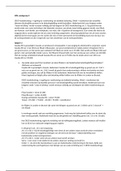
INSTITUTIONS
What is a social institution?
A social institution is a system of organization and hierarchy that reproduces itself over time.
These systems constrain or pattern our behaviors and actions infused with norms, roles and
positions that overlap and influence each other.
Ex: Criminal Justice System, Education System, Judicial System, Healthcare System
FAMILY AND MARRIAGE
What is the sociological perspective of the family?
1. History: family is socially constructed and is historically changing
2. Social Structure: Experiences shared by groups and institutions of society
3. Power: Social relations in which families are embedded and part of power systems
4. Diversity: Family experiences vary across different groups
5. Agency: Family outcomes are constructed through social structure and human agency
How does the Census Bureau define family?
A unit composed of two or more people who are related by blood, marriage or adoption that are
living together
According to Hochschild, how do individuals in marriages cope with the “second shift?
The Second Shift refers to the double standard and work women have to do. They have to
manage their work in their professional life and the domestic life and household as well. This
second shift is a result of social norms of how women are supposed to behave. In most cases,
women adapt to become the “supermom” or the second shift leads to marital tensions that may
lead to separation.
What are some alternatives to marriage? Describe recent trends in these alternatives:
Some alternatives to marriage include cohabitation, not getting married. Divorce is also another
alternative to staying married and remaining single and not finding partner is another alternative.
In recent years, the cohabitation rate and single rate has increased rapidly in recent years and
changing rapidly in the United States.
Reasons for Cohabitation: still has regular sexual relations, common residence but they may lack
the financial needs to be married. It usually occurs between people of lower socioeconomic
1
, SOC 100 F14
Exam 3 Study Guide
status than married couples. Cohabitation is short-lived and usually ends in marriage or
separation. They may also have children.
Cherlin argues that marriage has become deinstitutionalized. What does this mean?
The social norms that regulated the institution of marriage have weakened over time because of
the increase in same-sex marriage, divorce and rates of cohabitation. Marriage has started to
come more individualized rather than solely focusing on gender roles and partnership.
What was the main takeaway from “Men Who Batter?”
James Ptacek interviews 18 men who were in a counseling program for battering. He examined
how batters rationalized their actions and saw how prevalent those explanations were in society.
Batters gave two types of accounts of their story: excuses or justifications. They denied full
responsibility for their actions or at the very least only took some of the responsibility as they
may have justified the violence. In general, the common excuses that were given is a loss of
control through drugs, abuse or blaming the other party for provoking the violence. The common
justifications that are given is that women were only minimally injured or that women were not
filling their womanly roles of cooking, being unfaithful or not being sexually responsive.
What were some of the main reasons listed for divorce in “How Marriages End?”
1) The main reasons women give for divorcing is a sense of personal dissatisfaction in
which they either no longer love their husbands, a breakdown in communication or
controlling husbands.
2) Moreover, violence in the relationship is another reason why women choose to divorce
their husband.
3) Another reason is that the family is experiencing hard living usually involving the abuse
of some drug or heavy drinking that leads to frustrations in the bonds and absences from
work for men.
4) Cheating with other partners that create a sense of pain, humiliation and unwillingness to
take back their husbands after the affair.
5) The higher the class position: personal dissatisfaction most frequent case
The lower the class position: hard-living most frequent case
How does support for families in the US differ from other countries? (i.e. “the American
Model?)
There are fewer benefits such as maternity leave along with more flexible options in other
countries. This leads to placing children in less care and exposes them more to racial and social
prejudice and ignorance. This lack of trust leads to poor parenting for future generations.
2
SOC 100 F14
Exam 3 Study Guide
INSTITUTIONS
What is a social institution?
A social institution is a system of organization and hierarchy that reproduces itself over time.
These systems constrain or pattern our behaviors and actions infused with norms, roles and
positions that overlap and influence each other.
Ex: Criminal Justice System, Education System, Judicial System, Healthcare System
FAMILY AND MARRIAGE
What is the sociological perspective of the family?
1. History: family is socially constructed and is historically changing
2. Social Structure: Experiences shared by groups and institutions of society
3. Power: Social relations in which families are embedded and part of power systems
4. Diversity: Family experiences vary across different groups
5. Agency: Family outcomes are constructed through social structure and human agency
How does the Census Bureau define family?
A unit composed of two or more people who are related by blood, marriage or adoption that are
living together
According to Hochschild, how do individuals in marriages cope with the “second shift?
The Second Shift refers to the double standard and work women have to do. They have to
manage their work in their professional life and the domestic life and household as well. This
second shift is a result of social norms of how women are supposed to behave. In most cases,
women adapt to become the “supermom” or the second shift leads to marital tensions that may
lead to separation.
What are some alternatives to marriage? Describe recent trends in these alternatives:
Some alternatives to marriage include cohabitation, not getting married. Divorce is also another
alternative to staying married and remaining single and not finding partner is another alternative.
In recent years, the cohabitation rate and single rate has increased rapidly in recent years and
changing rapidly in the United States.
Reasons for Cohabitation: still has regular sexual relations, common residence but they may lack
the financial needs to be married. It usually occurs between people of lower socioeconomic
1
, SOC 100 F14
Exam 3 Study Guide
status than married couples. Cohabitation is short-lived and usually ends in marriage or
separation. They may also have children.
Cherlin argues that marriage has become deinstitutionalized. What does this mean?
The social norms that regulated the institution of marriage have weakened over time because of
the increase in same-sex marriage, divorce and rates of cohabitation. Marriage has started to
come more individualized rather than solely focusing on gender roles and partnership.
What was the main takeaway from “Men Who Batter?”
James Ptacek interviews 18 men who were in a counseling program for battering. He examined
how batters rationalized their actions and saw how prevalent those explanations were in society.
Batters gave two types of accounts of their story: excuses or justifications. They denied full
responsibility for their actions or at the very least only took some of the responsibility as they
may have justified the violence. In general, the common excuses that were given is a loss of
control through drugs, abuse or blaming the other party for provoking the violence. The common
justifications that are given is that women were only minimally injured or that women were not
filling their womanly roles of cooking, being unfaithful or not being sexually responsive.
What were some of the main reasons listed for divorce in “How Marriages End?”
1) The main reasons women give for divorcing is a sense of personal dissatisfaction in
which they either no longer love their husbands, a breakdown in communication or
controlling husbands.
2) Moreover, violence in the relationship is another reason why women choose to divorce
their husband.
3) Another reason is that the family is experiencing hard living usually involving the abuse
of some drug or heavy drinking that leads to frustrations in the bonds and absences from
work for men.
4) Cheating with other partners that create a sense of pain, humiliation and unwillingness to
take back their husbands after the affair.
5) The higher the class position: personal dissatisfaction most frequent case
The lower the class position: hard-living most frequent case
How does support for families in the US differ from other countries? (i.e. “the American
Model?)
There are fewer benefits such as maternity leave along with more flexible options in other
countries. This leads to placing children in less care and exposes them more to racial and social
prejudice and ignorance. This lack of trust leads to poor parenting for future generations.
2