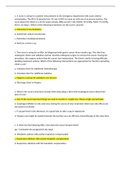
1. A nurse is caring for a patient who presents to the emergency department with acute asthma exacerbation. The RR is 36 breaths/min, O2 sats is 85% on room air with use of accessory muscles. The nurse places the client on a 4L O2 nasal cannula. ABGs are pH: 7.28, PaCO2: 50 mmHg, PaO2: 75 mmHg, HCO3: 26 mEq/L. Which of the following treatments are the nurse's priority?
a. Administer bronchodilators
b. Administer sodium bicarbonate
c. Administer methylprednisolone
d. Perform a chest x-ray
1. The nurse is caring for an 80yr old diagnosed with gastric cancer three months ago. The client has undergone chemo and radiation and has recently undergone surgery to remove the cancer. During the procedure, the surgeon notices that the cancer has metastasized. The client's family is having difficulty deciding treatment options. Which of the following interventions are appropriate for the RN in providing
client's care?
a. Schedule client for additional chemotherapy
b. Schedule client for additional radiation
c. Request a consult for palliative care services
d. Discharge client to hospice
1. What is the nurse's priority to include when educating a client with esophageal cancer about their plan of care?
a. One of the most important things we need to monitor is weight loss. Please weigh yourself daily
b. Esophageal dilation is only used once during the course of your treatment when your side effects are too severe to tolerate
c. If you get tired in the afternoon, its a good idea to take a nap to regenerate
d. Hospice care might be needed towards the end but you can still have chemotherapy at the same time
1. A client has the following ABGs. How does the nurse interpret them?
pH: 7.50 PaCO2 30 mmHg HCO3: 20 mEq/L
b. Metabolic acidosis with partial respiratory compensation
c. Respiratory alkalosis with partial metabolic compensation
d. Respiratory alkalosis with full metabolic compensation e. Metabolic alkalosis with partial respiratory compensation
1. Which of the following clients is an example of developing secondary stomatitis?
a. 67 yo presenting with herpes stomatitis reports being stressed at work
b. 25 yo client presenting with aphthous stomatitis reports anxiety preparing for a test
c. 16 yo client reports accidentally biting inside his buccal mucosa
d. 64 yo client with a history of metastatic breast cancer receiving chemotherapy presenting with stomatitis
1. The nurse provides discharge instructions to a client recently diagnosed with a hiatal hernia. The client also has a history of GERD. Which should be included in the education?
a. Remain in an upright position for 1-2 hours after eating
b. Take antacids before eating
c. Drink a carbonated beverage before meals
d. Sleep with bead of bed flat
1. Which of the following clients are at risk for developing stomatitis?
a. 48 yo diagnosed with osteoarthritis
b. 70 yo diagnosed with obesity
c. 55 yo with colon cancer
d. 50 yo with heart failure
1. A nurse is caring for a client diagnosed with severe GERD. Which of the following medications would the nurse expect the provider to order?
a. Pantoprazole
b. Metoclopramide
c. Diphenoxylate/atropine
d. Sucralfate
a. Administer bronchodilators
b. Administer sodium bicarbonate
c. Administer methylprednisolone
d. Perform a chest x-ray
1. The nurse is caring for an 80yr old diagnosed with gastric cancer three months ago. The client has undergone chemo and radiation and has recently undergone surgery to remove the cancer. During the procedure, the surgeon notices that the cancer has metastasized. The client's family is having difficulty deciding treatment options. Which of the following interventions are appropriate for the RN in providing
client's care?
a. Schedule client for additional chemotherapy
b. Schedule client for additional radiation
c. Request a consult for palliative care services
d. Discharge client to hospice
1. What is the nurse's priority to include when educating a client with esophageal cancer about their plan of care?
a. One of the most important things we need to monitor is weight loss. Please weigh yourself daily
b. Esophageal dilation is only used once during the course of your treatment when your side effects are too severe to tolerate
c. If you get tired in the afternoon, its a good idea to take a nap to regenerate
d. Hospice care might be needed towards the end but you can still have chemotherapy at the same time
1. A client has the following ABGs. How does the nurse interpret them?
pH: 7.50 PaCO2 30 mmHg HCO3: 20 mEq/L
b. Metabolic acidosis with partial respiratory compensation
c. Respiratory alkalosis with partial metabolic compensation
d. Respiratory alkalosis with full metabolic compensation e. Metabolic alkalosis with partial respiratory compensation
1. Which of the following clients is an example of developing secondary stomatitis?
a. 67 yo presenting with herpes stomatitis reports being stressed at work
b. 25 yo client presenting with aphthous stomatitis reports anxiety preparing for a test
c. 16 yo client reports accidentally biting inside his buccal mucosa
d. 64 yo client with a history of metastatic breast cancer receiving chemotherapy presenting with stomatitis
1. The nurse provides discharge instructions to a client recently diagnosed with a hiatal hernia. The client also has a history of GERD. Which should be included in the education?
a. Remain in an upright position for 1-2 hours after eating
b. Take antacids before eating
c. Drink a carbonated beverage before meals
d. Sleep with bead of bed flat
1. Which of the following clients are at risk for developing stomatitis?
a. 48 yo diagnosed with osteoarthritis
b. 70 yo diagnosed with obesity
c. 55 yo with colon cancer
d. 50 yo with heart failure
1. A nurse is caring for a client diagnosed with severe GERD. Which of the following medications would the nurse expect the provider to order?
a. Pantoprazole
b. Metoclopramide
c. Diphenoxylate/atropine
d. Sucralfate