Unit 10: Sociological Perspectives
Learning Aim A: Understand how sociological concepts and perspectives are applied to the study of health and
social care.
Diversity of culture and identity:
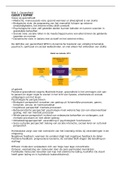
Societies can be viewed as the sum of their social institutions which are the major building blocks. This may include
family, the education system, the economic system, the political system, religious organisations and health and
social care services. Moreover, sociologists look at the way these institutions are systematic, the way they relate to
each other and how they influence individuals behaviour. For example, sociologists describe the different forms of
the family in our society, the changes that are taking place within the family, how our family relates to other social
institutions. They also examine how our family background may influence the values, attitudes, religious beliefs,
educational achievements, employment prospects and the individuals’ health and wellbeing.
Socialisation: The process of learning the usual ways of behaving in society. Specifically, there are two types of
socialisation: Primary and Secondary socialisation. Socialisation is the process by which the individuals learn the
culture of their society that is the language, values and beliefs, customs and ways of behaving that are seen as usual
and acceptable. It may be argued that the most critical period of socialisation occurs in the early years of life.
Primary Socialisation: this takes place when a child learns the values, beliefs and attitudes of their culture through
family and parents.
Secondary Socialisation: this also takes place when a child learns the values, beliefs and attitudes of their culture
through those outside of the family, such as teachers, friends and the media.
Socialisation affects people’s attitudes towards the care and support of vulnerable people and children and older
people. For example, whether individuals care for the very old at home as part of the family, or use the range of day
and residential and day services to support their care. Specifically, in Islamic and Hindu cultures care would be
provided at home by other support services that are more commonly used. Sociologists would argue that this is large
because of a difference in the values, beliefs and expectations learned during primary and secondary socialisations.
Socialisation contributes to society as it is a process that introduces people to social norms and customs. The process
of socialisation helps individuals function well in society and it helps society operate smoothly. As mentioned before
family members, teachers, religious leaders and peers all play and contribute in a person’s socialisation. In health
and social care, socialisation is applied and can affect the health and wellbeing in a positive way and a negative way.
Specifically, socialisation is the greater process of learning to interact with others in health and social care settings.
An example is if a toddler comes from a background that the parents always isolated and abandoned the toddler
which means that the toddler has been socialised into the absence of social relationships and behaviours which can
affect the toddlers development such as having a low educational attainment and the toddler is most likely to be
psychologically distressed in adulthood. Infants mirror their primary caregivers and learn a lot, so if they are always
isolated, there is a small chance they are going to learn things and develop properly like any other average
child/toddler. So, for the toddler who has not been socialising from birth will find it harder to develop relationships
and have a primary socialisation with their caregiver and others around them. Socialisation in society in health and
social care to enable individuals to be part of society. So when the toddler goes to school they are going to be more
attached to their primary caregiver and be very reserved and refusing to go to school without their caregiver or allow
the caregiver to leave. This means that she is going to have delayed intellectual development. This will be harder for
her to be educated or check. Additionally, family in socialisation is crucial for a child’s development especially
primary socialisation.
It is argued that the norms, or expected behaviour of the society or group to which we belong, are being learned by
absorbing and copying the behaviour of others in our social group. Those who do not conform to expectations, that
is, those who disregard the norms of the society, are said to be deviant.
Norms- are the rules and guidelines that govern how we behave in society or in groups within society.
Deviant- is an individual who does not conform to the norms of a society or social group.
, Social class: Social stratification is a terminology used by sociologists that are borrowed from geology. In geology
‘strata’ refers to different layers of rock laid on top of each other. In sociology, the term is used to describe
hierarchies in society, highlighting the fact that some groups of people are seen as having higher status than other
groups. Individuals who have identified as being of higher status are often wealthier and have easier access to the
possessions and way of the most valued in that society. Almost all societies have some form of stratification.
Social class is also a form of stratification that describes the social hierarchies in most modern industrialised
societies. Social class is largely based on economic factors such as occupation, income, property ownership, and
other forms of wealth. Sociologists are particularly interested in the link between the social class position and other
aspects of life such as educational achievement, lifestyle choices and their health and wellbeing. The official
classification of social class used by the British Government to measure and analyse changes in the population which
began in 1851, when broad classification of occupations into social ‘grades’ (later called social classes) which was
used for the analysis of death rates.
The five social classes identified by the Registrar General in 1913, based largely on perceived occupational skill
remained in place as Social Class based on Occupation. Government statisticians and others used these categories to
analyse population trends until very recently.
The registrar General’s Scale of Social class included:
I: professional occupations
II: managerial and technical occupations
IIIN: skilled non-manual
IIIM: skilled manual occupations
IV: semi-skilled occupations
V: unskilled occupations
Social role- expectations about the way an individual acts and behaves that are linked to their position in society, for
example being a child, a parent, a lawyer, a nurse or a politician. Membership of a group brings a range of
expectations and obligations. Specifically, in sociology, these expectations are called social roles. For example, there
are expectations linked with the social position of being a parent, a son, or daughter, or a student. The role that is
accepted generally commonly in society is parents as they will protect their children, ensure that they are kept safe
and warm, provide a home, teach them acceptable ways of behaving, and ensure that they attend school ready to
learn.
Social roles and expectations
Membership of a group brings a range of expectations and obligations. In sociology, these expectations are called
social roles. For example, there are expectations linked with the social position of being a parent, son, daughter or
student. The generally accepted social role (or social expectation) of parents in our society is that they will protect
their children, ensure that they are kept safe and warm, provide a home, teach them acceptable ways of behaving
and ensure that they attend school ready to learn. Sociologists study the different social groupings in society and
how members of different groups influence our values, attitudes and ways of life. For example, they study the
impact of differences in our social class on our lifestyle, and on our health and well being. They study the impacts of
racial, ethnic and religious groupings, and of gender and sexual orientation.
Below is a table of the National Socio-economic Classification (NS-SEC) analytic classes:
Class 1 Higher managerial, administrative and professional occupations in large organisations
Class 2 Lower managerial, administrative and professional occupations
Learning Aim A: Understand how sociological concepts and perspectives are applied to the study of health and
social care.
Diversity of culture and identity:
Societies can be viewed as the sum of their social institutions which are the major building blocks. This may include
family, the education system, the economic system, the political system, religious organisations and health and
social care services. Moreover, sociologists look at the way these institutions are systematic, the way they relate to
each other and how they influence individuals behaviour. For example, sociologists describe the different forms of
the family in our society, the changes that are taking place within the family, how our family relates to other social
institutions. They also examine how our family background may influence the values, attitudes, religious beliefs,
educational achievements, employment prospects and the individuals’ health and wellbeing.
Socialisation: The process of learning the usual ways of behaving in society. Specifically, there are two types of
socialisation: Primary and Secondary socialisation. Socialisation is the process by which the individuals learn the
culture of their society that is the language, values and beliefs, customs and ways of behaving that are seen as usual
and acceptable. It may be argued that the most critical period of socialisation occurs in the early years of life.
Primary Socialisation: this takes place when a child learns the values, beliefs and attitudes of their culture through
family and parents.
Secondary Socialisation: this also takes place when a child learns the values, beliefs and attitudes of their culture
through those outside of the family, such as teachers, friends and the media.
Socialisation affects people’s attitudes towards the care and support of vulnerable people and children and older
people. For example, whether individuals care for the very old at home as part of the family, or use the range of day
and residential and day services to support their care. Specifically, in Islamic and Hindu cultures care would be
provided at home by other support services that are more commonly used. Sociologists would argue that this is large
because of a difference in the values, beliefs and expectations learned during primary and secondary socialisations.
Socialisation contributes to society as it is a process that introduces people to social norms and customs. The process
of socialisation helps individuals function well in society and it helps society operate smoothly. As mentioned before
family members, teachers, religious leaders and peers all play and contribute in a person’s socialisation. In health
and social care, socialisation is applied and can affect the health and wellbeing in a positive way and a negative way.
Specifically, socialisation is the greater process of learning to interact with others in health and social care settings.
An example is if a toddler comes from a background that the parents always isolated and abandoned the toddler
which means that the toddler has been socialised into the absence of social relationships and behaviours which can
affect the toddlers development such as having a low educational attainment and the toddler is most likely to be
psychologically distressed in adulthood. Infants mirror their primary caregivers and learn a lot, so if they are always
isolated, there is a small chance they are going to learn things and develop properly like any other average
child/toddler. So, for the toddler who has not been socialising from birth will find it harder to develop relationships
and have a primary socialisation with their caregiver and others around them. Socialisation in society in health and
social care to enable individuals to be part of society. So when the toddler goes to school they are going to be more
attached to their primary caregiver and be very reserved and refusing to go to school without their caregiver or allow
the caregiver to leave. This means that she is going to have delayed intellectual development. This will be harder for
her to be educated or check. Additionally, family in socialisation is crucial for a child’s development especially
primary socialisation.
It is argued that the norms, or expected behaviour of the society or group to which we belong, are being learned by
absorbing and copying the behaviour of others in our social group. Those who do not conform to expectations, that
is, those who disregard the norms of the society, are said to be deviant.
Norms- are the rules and guidelines that govern how we behave in society or in groups within society.
Deviant- is an individual who does not conform to the norms of a society or social group.
, Social class: Social stratification is a terminology used by sociologists that are borrowed from geology. In geology
‘strata’ refers to different layers of rock laid on top of each other. In sociology, the term is used to describe
hierarchies in society, highlighting the fact that some groups of people are seen as having higher status than other
groups. Individuals who have identified as being of higher status are often wealthier and have easier access to the
possessions and way of the most valued in that society. Almost all societies have some form of stratification.
Social class is also a form of stratification that describes the social hierarchies in most modern industrialised
societies. Social class is largely based on economic factors such as occupation, income, property ownership, and
other forms of wealth. Sociologists are particularly interested in the link between the social class position and other
aspects of life such as educational achievement, lifestyle choices and their health and wellbeing. The official
classification of social class used by the British Government to measure and analyse changes in the population which
began in 1851, when broad classification of occupations into social ‘grades’ (later called social classes) which was
used for the analysis of death rates.
The five social classes identified by the Registrar General in 1913, based largely on perceived occupational skill
remained in place as Social Class based on Occupation. Government statisticians and others used these categories to
analyse population trends until very recently.
The registrar General’s Scale of Social class included:
I: professional occupations
II: managerial and technical occupations
IIIN: skilled non-manual
IIIM: skilled manual occupations
IV: semi-skilled occupations
V: unskilled occupations
Social role- expectations about the way an individual acts and behaves that are linked to their position in society, for
example being a child, a parent, a lawyer, a nurse or a politician. Membership of a group brings a range of
expectations and obligations. Specifically, in sociology, these expectations are called social roles. For example, there
are expectations linked with the social position of being a parent, a son, or daughter, or a student. The role that is
accepted generally commonly in society is parents as they will protect their children, ensure that they are kept safe
and warm, provide a home, teach them acceptable ways of behaving, and ensure that they attend school ready to
learn.
Social roles and expectations
Membership of a group brings a range of expectations and obligations. In sociology, these expectations are called
social roles. For example, there are expectations linked with the social position of being a parent, son, daughter or
student. The generally accepted social role (or social expectation) of parents in our society is that they will protect
their children, ensure that they are kept safe and warm, provide a home, teach them acceptable ways of behaving
and ensure that they attend school ready to learn. Sociologists study the different social groupings in society and
how members of different groups influence our values, attitudes and ways of life. For example, they study the
impact of differences in our social class on our lifestyle, and on our health and well being. They study the impacts of
racial, ethnic and religious groupings, and of gender and sexual orientation.
Below is a table of the National Socio-economic Classification (NS-SEC) analytic classes:
Class 1 Higher managerial, administrative and professional occupations in large organisations
Class 2 Lower managerial, administrative and professional occupations