Chapter 11 - Pharmacology
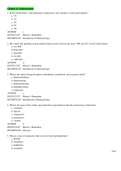
1. In the United States, what proportion of physician visits includes a written prescription?
a. 1/5
b. 1/3
c. 2/3
d. 3/4
e. 7/8
ANSWER: c
DIFFICULTY: Bloom’s: Remember
REFERENCES: Introduction to Pharmacology
2. How much did spending on prescription drugs increase between the years 1990 and 2011 in the United States?
a. two-fold
b. three-fold
c. four-fold
d. six-fold
e. eight-fold
ANSWER: d
DIFFICULTY: Bloom’s: Remember
REFERENCES: Introduction to Pharmacology
3. What is the study of drug absorption, distribution, metabolism, and excretion called?
a. pharmacokinetics
b. pharmacology
c. pharmacotherapy
d. pathophysiology
e. biokinetics
ANSWER: a
DIFFICULTY: Bloom’s: Remember
REFERENCES: Introduction to Pharmacology
4. What is the name of the cardiac glycoside that is prescribed to alter the contractions of the heart?
a. creatinine
b. digoxin
c. omeprazole
d. gentamycin
e. creatine
ANSWER: b
DIFFICULTY: Bloom’s: Remember
REFERENCES: Glossary
5. What is a type of medication that is used to treat hyperlipidemia?
a. MAOIs
b. creatinines
c. prokinetics
d. excipients
. Page 1
,Chapter 11 - Pharmacology
e. statins
ANSWER: e
DIFFICULTY: Bloom’s: Remember
REFERENCES: Glossary
6. What term refers to the placement of a drug inside the cheek?
a. otic
b. buccal
c. ophthalmic
d. parenteral
e. sublingual
ANSWER: b
DIFFICULTY: Bloom’s: Remember
REFERENCES: Glossary
7. What is the effect of ACE (angiotensin-converting enzyme) inhibitors?
a. increase blood pH levels
b. decrease blood pH levels
c. increase calcium absorption rates
d. vasodilation of blood vessels
e. vasoconstriction of blood vessels
ANSWER: d
DIFFICULTY: Bloom’s: Remember
REFERENCES: Drug Mechanisms
8. What method of administering drugs requires an injection?
a. buccal
b. subcutaneous
c. enteral
d. sublingual
e. topical
ANSWER: b
DIFFICULTY: Bloom’s: Remember
REFERENCES: Administration of Drugs
9. What has to happen to the medication before absorption is successful?
a. dissolution
b. oxidation
c. reduction
d. ionization
e. hyperemia
ANSWER: a
DIFFICULTY: Bloom’s: Remember
REFERENCES: Pharmacokinetics
. Page 2
, Chapter 11 - Pharmacology
10. What type of excipients are added to medications to increase dissolution?
a. disintegrants
b. antioxidants
c. expectorants
d. lubricants
e. binders
ANSWER: a
DIFFICULTY: Bloom’s: Remember
REFERENCES: Pharmacokinetics
11. What parts of the body have the largest surface areas for drug absorption?
a. mouth and throat
b. mouth and stomach
c. large intestine and bowel
d. small and large intestines
e. small intestine and lungs
ANSWER: e
DIFFICULTY: Bloom’s: Remember
REFERENCES: Pharmacokinetics
12. What kind of drugs are quickly absorbed across cell membranes?
a. protein-based
b. sugar-based
c. lipid-based
d. carbohydrate-based
e. vitamin analogues
ANSWER: c
DIFFICULTY: Bloom’s: Remember
REFERENCES: Pharmacokinetics
13. What occurs immediately after a drug is absorbed in the body?
a. ionization of the drug
b. dissolution of the drug
c. reduction of the drug
d. distribution of the drug
e. oxidation of the drug
ANSWER: d
DIFFICULTY: Bloom’s: Remember
REFERENCES: Pharmacokinetics
14. Most drug biotransformation in the liver is accomplished by an enzyme called:
a. cytochrome P500
b. cytochrome P450
c. cytochrome R200
d. alpha-lipase R200
. Page 3
1. In the United States, what proportion of physician visits includes a written prescription?
a. 1/5
b. 1/3
c. 2/3
d. 3/4
e. 7/8
ANSWER: c
DIFFICULTY: Bloom’s: Remember
REFERENCES: Introduction to Pharmacology
2. How much did spending on prescription drugs increase between the years 1990 and 2011 in the United States?
a. two-fold
b. three-fold
c. four-fold
d. six-fold
e. eight-fold
ANSWER: d
DIFFICULTY: Bloom’s: Remember
REFERENCES: Introduction to Pharmacology
3. What is the study of drug absorption, distribution, metabolism, and excretion called?
a. pharmacokinetics
b. pharmacology
c. pharmacotherapy
d. pathophysiology
e. biokinetics
ANSWER: a
DIFFICULTY: Bloom’s: Remember
REFERENCES: Introduction to Pharmacology
4. What is the name of the cardiac glycoside that is prescribed to alter the contractions of the heart?
a. creatinine
b. digoxin
c. omeprazole
d. gentamycin
e. creatine
ANSWER: b
DIFFICULTY: Bloom’s: Remember
REFERENCES: Glossary
5. What is a type of medication that is used to treat hyperlipidemia?
a. MAOIs
b. creatinines
c. prokinetics
d. excipients
. Page 1
,Chapter 11 - Pharmacology
e. statins
ANSWER: e
DIFFICULTY: Bloom’s: Remember
REFERENCES: Glossary
6. What term refers to the placement of a drug inside the cheek?
a. otic
b. buccal
c. ophthalmic
d. parenteral
e. sublingual
ANSWER: b
DIFFICULTY: Bloom’s: Remember
REFERENCES: Glossary
7. What is the effect of ACE (angiotensin-converting enzyme) inhibitors?
a. increase blood pH levels
b. decrease blood pH levels
c. increase calcium absorption rates
d. vasodilation of blood vessels
e. vasoconstriction of blood vessels
ANSWER: d
DIFFICULTY: Bloom’s: Remember
REFERENCES: Drug Mechanisms
8. What method of administering drugs requires an injection?
a. buccal
b. subcutaneous
c. enteral
d. sublingual
e. topical
ANSWER: b
DIFFICULTY: Bloom’s: Remember
REFERENCES: Administration of Drugs
9. What has to happen to the medication before absorption is successful?
a. dissolution
b. oxidation
c. reduction
d. ionization
e. hyperemia
ANSWER: a
DIFFICULTY: Bloom’s: Remember
REFERENCES: Pharmacokinetics
. Page 2
, Chapter 11 - Pharmacology
10. What type of excipients are added to medications to increase dissolution?
a. disintegrants
b. antioxidants
c. expectorants
d. lubricants
e. binders
ANSWER: a
DIFFICULTY: Bloom’s: Remember
REFERENCES: Pharmacokinetics
11. What parts of the body have the largest surface areas for drug absorption?
a. mouth and throat
b. mouth and stomach
c. large intestine and bowel
d. small and large intestines
e. small intestine and lungs
ANSWER: e
DIFFICULTY: Bloom’s: Remember
REFERENCES: Pharmacokinetics
12. What kind of drugs are quickly absorbed across cell membranes?
a. protein-based
b. sugar-based
c. lipid-based
d. carbohydrate-based
e. vitamin analogues
ANSWER: c
DIFFICULTY: Bloom’s: Remember
REFERENCES: Pharmacokinetics
13. What occurs immediately after a drug is absorbed in the body?
a. ionization of the drug
b. dissolution of the drug
c. reduction of the drug
d. distribution of the drug
e. oxidation of the drug
ANSWER: d
DIFFICULTY: Bloom’s: Remember
REFERENCES: Pharmacokinetics
14. Most drug biotransformation in the liver is accomplished by an enzyme called:
a. cytochrome P500
b. cytochrome P450
c. cytochrome R200
d. alpha-lipase R200
. Page 3