SUCCESSSTUDY
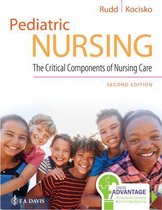
TEST BANKPediatric Nursing: Critical
Components of Nursing Care Third
Edition By Rudd
Comprehensive Practice Questions & Detailed Answer Explanations
SUCCESSSTUDY
LATEST 2026-2027
This Test Bank for Pediatric Nursing: Critical Components of Nursing Care, Third Edition by Rudd
is a comprehensive exam preparation resource designed to help nursing students master
essential pediatric nursing concepts. It features practice questions with detailed answer
explanations covering growth and development, family-centered care, pediatric assessment,
neonatal and infant care, health promotion, medication administration, pediatric emergencies,
and common childhood disorders affecting all major body systems. Organized to reinforce
critical thinking, clinical judgment, and evidence-based nursing practice, this study guide is an
excellent resource for classroom success, NCLEX preparation, and pediatric nursing
examinations. Updated for the 2026–2027 study cycle, it provides focused review materials to
support effective learning and exam readiness.
,Topics Covered
Growth & Development
Family-Centered Care
Pediatric Assessment
Neonatal & Infant Nursing
Pediatric Pharmacology
Respiratory Disorders
Cardiovascular Disorders
Gastrointestinal Disorders
Neurological Disorders
Endocrine Disorders
Hematologic Disorders
Pediatric Emergencies
NCLEX-Style Practice Questions
ISBN-13: 978-1496384577
For Educational & Exam Preparation
, Test Bank for Pediatric Nursing: Critical
Components of Nursing Care 3rd Edition
by Rudd | Latest 2026–2027 Exam
Questions & Answer Explanations
, Rudd 1
Davis Advantage for Pediatric Nursing 3e Test Bank Ch01
Chapter 1 Issues and Trends in Pediatric Nursing
Multiple Choice
Identify the choice that best completes the statement or answers the question.
1. The nurse has provided a presentation to middle school children about nursing as a career. One of
the children stated that he wanted to be a pediatric nurse, because he wants to take care of babies
and little ―kids.‖ What would be an appropriate response to this middle school–aged child?
1. ―Nursing is a general practice; all nurses must know how to take care of all ages of
patients.‖
2. ―As a pediatric nurse, you would get to care for babies and little kids as well as
children through their teenage years.‖
3. ―What you are describing is actually a neonatal nurse. Neonatal nurses work with
newborn babies, toddlers, and preschool-age children.‖
4. ―Being a pediatric nurse requires a master’s degree, so be sure to work hard in
school!‖
2. The medical-surgical float nurse is assigned to the pediatric unit for the first time and states that
the skills are ―the same as general nursing since children are little adults with smaller bodies.‖
What component of pediatric nursing contraindicates this statement?
1. Pediatric nursing involves care based on the developmental level of the patient.
2. Pediatric nursing involves the patient’s family in the plan of care.
3. Pediatric nursing in based on prevention of infectious diseases.
4. Pediatric nursing involves cultural sensitivity in patient care.
3. The culturally sensitive pediatric nurse is aware of the racial makeup of the U.S. population.
Which of the following reflects the demographics of the U.S. pediatric population in 2018, based
on U.S. Census Bureau data?
1. The American Indian and Alaska Native population represent one-fifth of the
pediatric population.
2. About half of the children fall in the category of something other than White non-
Hispanic.
3. The population of Asian children decreased from 2015 to 2018.
4. There was no change in the population of Non-Hispanic children who represent
two or more races between 2015 and 2018.
4. The nurse at a family clinic is providing care to an adolescent patient diagnosed with diabetes. The
patient has verbalized discomfort with the feelings of isolation when unable to drink alcohol with
their friends. Which of the following would be the most appropriate response to this statement?
1. ―Drinking alcohol is not only illegal but dangerous for your blood sugar control
and overall well-being.‖
2. ―You can still drink alcohol, in moderation, if you control the sugar spike with
more insulin.‖
3. ―Prepare for alcohol intake with more water and less carbohydrates before drinking
to slow sugar spikes.‖
4. ―It is understandable that you want to be included, but perhaps we can work out a
plan on how to work through those situations.‖
TEST BANKPediatric Nursing: Critical
Components of Nursing Care Third
Edition By Rudd
Comprehensive Practice Questions & Detailed Answer Explanations
SUCCESSSTUDY
LATEST 2026-2027
This Test Bank for Pediatric Nursing: Critical Components of Nursing Care, Third Edition by Rudd
is a comprehensive exam preparation resource designed to help nursing students master
essential pediatric nursing concepts. It features practice questions with detailed answer
explanations covering growth and development, family-centered care, pediatric assessment,
neonatal and infant care, health promotion, medication administration, pediatric emergencies,
and common childhood disorders affecting all major body systems. Organized to reinforce
critical thinking, clinical judgment, and evidence-based nursing practice, this study guide is an
excellent resource for classroom success, NCLEX preparation, and pediatric nursing
examinations. Updated for the 2026–2027 study cycle, it provides focused review materials to
support effective learning and exam readiness.
,Topics Covered
Growth & Development
Family-Centered Care
Pediatric Assessment
Neonatal & Infant Nursing
Pediatric Pharmacology
Respiratory Disorders
Cardiovascular Disorders
Gastrointestinal Disorders
Neurological Disorders
Endocrine Disorders
Hematologic Disorders
Pediatric Emergencies
NCLEX-Style Practice Questions
ISBN-13: 978-1496384577
For Educational & Exam Preparation
, Test Bank for Pediatric Nursing: Critical
Components of Nursing Care 3rd Edition
by Rudd | Latest 2026–2027 Exam
Questions & Answer Explanations
, Rudd 1
Davis Advantage for Pediatric Nursing 3e Test Bank Ch01
Chapter 1 Issues and Trends in Pediatric Nursing
Multiple Choice
Identify the choice that best completes the statement or answers the question.
1. The nurse has provided a presentation to middle school children about nursing as a career. One of
the children stated that he wanted to be a pediatric nurse, because he wants to take care of babies
and little ―kids.‖ What would be an appropriate response to this middle school–aged child?
1. ―Nursing is a general practice; all nurses must know how to take care of all ages of
patients.‖
2. ―As a pediatric nurse, you would get to care for babies and little kids as well as
children through their teenage years.‖
3. ―What you are describing is actually a neonatal nurse. Neonatal nurses work with
newborn babies, toddlers, and preschool-age children.‖
4. ―Being a pediatric nurse requires a master’s degree, so be sure to work hard in
school!‖
2. The medical-surgical float nurse is assigned to the pediatric unit for the first time and states that
the skills are ―the same as general nursing since children are little adults with smaller bodies.‖
What component of pediatric nursing contraindicates this statement?
1. Pediatric nursing involves care based on the developmental level of the patient.
2. Pediatric nursing involves the patient’s family in the plan of care.
3. Pediatric nursing in based on prevention of infectious diseases.
4. Pediatric nursing involves cultural sensitivity in patient care.
3. The culturally sensitive pediatric nurse is aware of the racial makeup of the U.S. population.
Which of the following reflects the demographics of the U.S. pediatric population in 2018, based
on U.S. Census Bureau data?
1. The American Indian and Alaska Native population represent one-fifth of the
pediatric population.
2. About half of the children fall in the category of something other than White non-
Hispanic.
3. The population of Asian children decreased from 2015 to 2018.
4. There was no change in the population of Non-Hispanic children who represent
two or more races between 2015 and 2018.
4. The nurse at a family clinic is providing care to an adolescent patient diagnosed with diabetes. The
patient has verbalized discomfort with the feelings of isolation when unable to drink alcohol with
their friends. Which of the following would be the most appropriate response to this statement?
1. ―Drinking alcohol is not only illegal but dangerous for your blood sugar control
and overall well-being.‖
2. ―You can still drink alcohol, in moderation, if you control the sugar spike with
more insulin.‖
3. ―Prepare for alcohol intake with more water and less carbohydrates before drinking
to slow sugar spikes.‖
4. ―It is understandable that you want to be included, but perhaps we can work out a
plan on how to work through those situations.‖