

NURS 328 Quiz 1 Peds
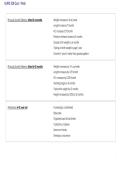
Physical Growth Patterns: Infant 0-6 months Weight increases 6-8 oz/week
Length increases 1"/month
HC increases 0.5"/month
Posterior fontanel closes at 2 months
Double birth weight by 6 months
Tripling of birth weight by age 1 year
Growth in "spurts" rather than gradual pattern
Physical Growth Patterns: Infant 6-12 months Weight increases by 3-4 oz/week
Length increases by 0.5"/month
HC increases by 0.25"/month
Teething begins 6-8 months
Triple birth weight by 12 months
Height increased by 50% by 12 months
Milestones: 6-12 year old Increasingly coordinated
Rides bike
Organized sports & activities
Collections, hobbies
Same sex friends
Develops conscience
,NURS 328 Quiz 1 Peds
Chronological Age (CH) = Starts with Birth (post natal)
Corrected Age (CA ) = CH - Weeks gestation
At birth
Ongoing
Erikson’s Psychosocial Development trust vs mistrust
Infant
Erickson’s Psychosocial Development Autonomy vs. Shame and Doubt
Toddler (1-3y)
Erickson's Psychosocial Development Initiative vs. Guilt
Preschooler (3-6y)
Erickson's Psychosocial Development Industry vs. Inferiority
School Aged Child (6-12y)
,NURS 328 Quiz 1 Peds
Erikson’s Psychosocial Development Identity vs. Role Confusion
Adolescence (12-18y)
sensorimotor stage in Piaget's theory, the stage from birth to about 2 years of age)during which
infants know the world mostly in terms of their sensory impressions and
motor activities
Characteristics of Infants (B--2y) in Piaget's reflex activity
Sensorimotor Stage cause & effect
trial & error
curiosity experimentation novelty object permanence stranger anxiety
intense attachment to PCG
, NURS 328 Quiz 1 Peds
Characteristics of Young Children (2-7y) in Piaget’s geocentrism
Preoperational Stage transductive reasoning
centration
animism
irreversibility
magical thinking
literal
Egocentrism only own perspective
avoid "why" answers
give rules
transductive reasoning not logical from particular to particular
accept child's reason
avoid complex answers
centration focuses on 1 aspect of situation & ignores other alternatives
give 1 direction @ a time
animism gives lifelike attributes to inanimate objects
recognize potentially scary objects
Physical Growth Patterns: Infant 0-6 months Weight increases 6-8 oz/week
Length increases 1"/month
HC increases 0.5"/month
Posterior fontanel closes at 2 months
Double birth weight by 6 months
Tripling of birth weight by age 1 year
Growth in "spurts" rather than gradual pattern
Physical Growth Patterns: Infant 6-12 months Weight increases by 3-4 oz/week
Length increases by 0.5"/month
HC increases by 0.25"/month
Teething begins 6-8 months
Triple birth weight by 12 months
Height increased by 50% by 12 months
Milestones: 6-12 year old Increasingly coordinated
Rides bike
Organized sports & activities
Collections, hobbies
Same sex friends
Develops conscience
,NURS 328 Quiz 1 Peds
Chronological Age (CH) = Starts with Birth (post natal)
Corrected Age (CA ) = CH - Weeks gestation
At birth
Ongoing
Erikson’s Psychosocial Development trust vs mistrust
Infant
Erickson’s Psychosocial Development Autonomy vs. Shame and Doubt
Toddler (1-3y)
Erickson's Psychosocial Development Initiative vs. Guilt
Preschooler (3-6y)
Erickson's Psychosocial Development Industry vs. Inferiority
School Aged Child (6-12y)
,NURS 328 Quiz 1 Peds
Erikson’s Psychosocial Development Identity vs. Role Confusion
Adolescence (12-18y)
sensorimotor stage in Piaget's theory, the stage from birth to about 2 years of age)during which
infants know the world mostly in terms of their sensory impressions and
motor activities
Characteristics of Infants (B--2y) in Piaget's reflex activity
Sensorimotor Stage cause & effect
trial & error
curiosity experimentation novelty object permanence stranger anxiety
intense attachment to PCG
, NURS 328 Quiz 1 Peds
Characteristics of Young Children (2-7y) in Piaget’s geocentrism
Preoperational Stage transductive reasoning
centration
animism
irreversibility
magical thinking
literal
Egocentrism only own perspective
avoid "why" answers
give rules
transductive reasoning not logical from particular to particular
accept child's reason
avoid complex answers
centration focuses on 1 aspect of situation & ignores other alternatives
give 1 direction @ a time
animism gives lifelike attributes to inanimate objects
recognize potentially scary objects


