

nurs 328 quiz 2 (gi, gu, mobility)
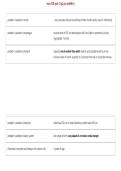
pediatric variations: mouth - very vascular, kids put everything in their mouths (entry way for infections)
pediatric variations: esophagus muscle tone of LES not developed until 1 mo (later in preemies) so they
regurgitate- normal
pediatric variations: stomach capacity much smaller than adult. Gastric acid at adult levels by 6 mo--
>look at color of vomit- quantify it. Could be from bile or could be formula.
pediatric variations: intestines infant has 250 cm of small intestines; adults have 600 cm.
pediatric variations: biliary system liver large at birth; can palpate 2 cm below costal margin.
Pancreatic enzymes and kidneys not mature until 2 years of age
, nurs 328 quiz 2 (gi, gu, mobility)
Should not be able to palpate liver after 2 years old
food allergy A specific immune response upon exposure to a given food
intolerance Situation in which a food elicits an adverse reaction without an immunologic
mechanism
- Example: lactose intolerance
Food intolerance: systemic manifestations Anaphylaxis--->EPI
Food intolerance: GI manifestations Abdominal pain, diarrhea
Food intolerance: Respiratory manifestations cough, wheeze
Food intolerance: cutaneous manifestations atopic dermatitis
, nurs 328 quiz 2 (gi, gu, mobility)
GI dysfunction -Growth failure-->Failure to thrive
-Spitting up/regurgitation
- Nausea, vomiting, diarrhea, constipation
- Abdominal pain, distention, gastrointestinal (GI) bleeding
-Jaundice
- Dysphagia, dysfunctional swallowing (aspiration pneumonia)
- Fever
constipation An alteration in frequency, consistency, or ease of passage of stool
- May be secondary to other disorders
Idiopathic (functional) constipation no known cause
Chronic constipation may be due to environmental or psychosocial factors
If a child has constipation, it can predispose them to a true
UTI. T or F
pediatric variations: mouth - very vascular, kids put everything in their mouths (entry way for infections)
pediatric variations: esophagus muscle tone of LES not developed until 1 mo (later in preemies) so they
regurgitate- normal
pediatric variations: stomach capacity much smaller than adult. Gastric acid at adult levels by 6 mo--
>look at color of vomit- quantify it. Could be from bile or could be formula.
pediatric variations: intestines infant has 250 cm of small intestines; adults have 600 cm.
pediatric variations: biliary system liver large at birth; can palpate 2 cm below costal margin.
Pancreatic enzymes and kidneys not mature until 2 years of age
, nurs 328 quiz 2 (gi, gu, mobility)
Should not be able to palpate liver after 2 years old
food allergy A specific immune response upon exposure to a given food
intolerance Situation in which a food elicits an adverse reaction without an immunologic
mechanism
- Example: lactose intolerance
Food intolerance: systemic manifestations Anaphylaxis--->EPI
Food intolerance: GI manifestations Abdominal pain, diarrhea
Food intolerance: Respiratory manifestations cough, wheeze
Food intolerance: cutaneous manifestations atopic dermatitis
, nurs 328 quiz 2 (gi, gu, mobility)
GI dysfunction -Growth failure-->Failure to thrive
-Spitting up/regurgitation
- Nausea, vomiting, diarrhea, constipation
- Abdominal pain, distention, gastrointestinal (GI) bleeding
-Jaundice
- Dysphagia, dysfunctional swallowing (aspiration pneumonia)
- Fever
constipation An alteration in frequency, consistency, or ease of passage of stool
- May be secondary to other disorders
Idiopathic (functional) constipation no known cause
Chronic constipation may be due to environmental or psychosocial factors
If a child has constipation, it can predispose them to a true
UTI. T or F


