Childbearing Exam 1
1. Uterine Involution = uterus returned to non-pregnant size and condition
a. 3 retrogressive processes contractions, catabolism, regeneration
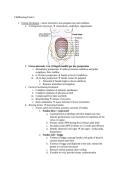
b. Uterus descends 1 cm (1 fingerbreadth) per day postpartum
i. Immediately postpartum midway between umbilicus and pubis
symphysis, firm, midline
ii. 6-12 hours postpartum fundus at level of umbilicus
iii. 10-14 days postpartum fundus cannot be palpated
1. Abnormal if fundal height is above umbilicus
2. Requires immediate investigation
c. Factors Facilitating Involution:
i. Complete expulsion of amniotic membranes
ii. Complete expulsion of placenta at birth
iii. Complicated free labor and birth
iv. Breastfeeding release of oxytocin
v. Early ambulation assess function of lower extremities
d. Nursing Action Assessing Fundus:
i. Assess uterus for location, position, and tone of fundus
1. Fundus firm = contracted
a. Continued heavy bleeding with firm fundal tone may
indicate genitourinary tract laceration or hematoma of the
vulva or vagina
b. Primary (early) PPH during first 24 hours after birth
c. Secondary (late) PPH 24 hours to 12 weeks post delivery
d. Identify abnormal vital signs late signs = tachycardia,
hypotension
2. Fundus soft = boggy
a. If uterus is boggy, massage fundus with palm of hand in
circular motion until firm
b. If uterus is boggy and displaced to the side, instruct the
patient to void and reevaluate
c. Reassess uterine position after voiding
d. If unable to void, provide urinary catheterization
, 3. Uterus to left, right, or midline
ii. Before assessment, inform patient that you will be palpating their uterus to
check for normal involution and bleeding
iii. Ask patient to void
iv. Provide privacy
v. Lower head and foot of the bed
vi. Remove peri-pad to assess lochia at same time as fundus is palpated
vii. Support lower uterine segment by placing one hand just above the
symphysis pubis to prevent uterine prolapse
e. Sub Involution = delayed or absent involution
i. Caused by:
1. Retained placental fragments
2. Infection
ii. Factors Facilitating Subinvolution:
1. Prolonged labor uterus is tired
2. Difficult birth
3. Incomplete expulsion of amniotic membranes and placenta
4. Uterine infections
5. Overdistention of uterine muscles (i.e., multiple pregnancies,
hydramnios, large fetus >8lbs, fibroids)
6. Full bladder
7. Anesthesia
8. Close childbirth spacing
9. Repeated distention
2. Lochia = vaginal discharge occurring after birth to approximately 4-8 weeks
a. Superficial layer of decidua basalis becomes necrotic and is sloughed off
b. Types of Lochia:
i. Lochia rubra
1. Color = deep red
2. Postpartum day = 1-3
3. Composition = deep red mixture of mucus, fragments of decidua
4. Deviation from normal = large clots, heavy amount saturates pad
within 1 hour, and placental fragments
ii. Lochia serosa
1. Color = pinkish brown
2. Postpartum day = 3-10
3. Composition = leukocytes, decidual tissue, red blood cells, and
serous fluid
4. Deviation from normal = continual rubra stage after day 4, heavy
amount, and foul odor
iii. Lochia alba
1. Color = creamy white or light brown
2. Postpartum day = 10-14 (may last 3-6 weeks)
3. Composition = leukocytes, reduced fluids, decidual tissue
4. Deviation from normal = bright red bleeding, saturated pad, and
foul odor
, c. Lochia Saturation:
i. Scant = 2-inch stain, 10mL
ii. Small = 4-inch stain, 10-25mL
iii. Moderate = 6-inch stain, 25-50mL
iv. Large = >6-inch stain, 50-80mL
d. Lochia Assessment:
i. Assess for clots, which occur when lochia pools in the lower uterine
segment
ii. Note small clots in patient chart
iii. Clot size of an egg or larger should be weighed findings reported to
provider or midwife
iv. Large clots can interfere with involution
v. 1g in weight = 1mL of blood loss
vi. Excessive bleeding + waiting for clinician follow principles:
1. Venous access, free flowing
2. Increase frequency of vital signs
3. O2 therapy
e. Abnormal Lochia:
i. Excessive spurting of bright red blood from vagina may indicate cervical
or vaginal tear
ii. Numerous large clots
iii. Persistent lochia rubra in early postpartum beyond day 3 retained
placenta
iv. Continued lochia serosa or alba beyond normal length of time
endometriosis, especially with fever, pain, or abdominal tenderness
3. Patient Education Postpartum:
a. Teach patient to assess fundus and explain the normal process of involution
b. Teach patient how to massage uterus if boggy and to notify nurse while in hospital
or provider if discharged
i. Secondary hemorrhage often occurs after patient has been discharged
ii. A sudden increase in lochia or bright red bleeding may be sign of
secondary hemorrhage (if rubra stage is over)
c. Reduce infection risk wash hands before and after changing peri pad, change
frequently from front to back
i. Use peri bottle to keep area clean
d. Cervix returns to pre-pregnancy state by 6 weeks
i. Internal is normal in 2 weeks
ii. External never appears same after childbirth jagged slit like opening
e. Vagina gradually decreases in size and regains tone after several weeks
i. Afterbirth mucosa is edematous, relaxed, and thin
f. Discharge teaching project:
i. Pain in chest
ii. Obstructed breathing
iii. Seizures
iv. Thoughts of hurting yourself or baby
v. Bleeding soaking through one pad per hour or clot size of egg
1. Uterine Involution = uterus returned to non-pregnant size and condition
a. 3 retrogressive processes contractions, catabolism, regeneration
b. Uterus descends 1 cm (1 fingerbreadth) per day postpartum
i. Immediately postpartum midway between umbilicus and pubis
symphysis, firm, midline
ii. 6-12 hours postpartum fundus at level of umbilicus
iii. 10-14 days postpartum fundus cannot be palpated
1. Abnormal if fundal height is above umbilicus
2. Requires immediate investigation
c. Factors Facilitating Involution:
i. Complete expulsion of amniotic membranes
ii. Complete expulsion of placenta at birth
iii. Complicated free labor and birth
iv. Breastfeeding release of oxytocin
v. Early ambulation assess function of lower extremities
d. Nursing Action Assessing Fundus:
i. Assess uterus for location, position, and tone of fundus
1. Fundus firm = contracted
a. Continued heavy bleeding with firm fundal tone may
indicate genitourinary tract laceration or hematoma of the
vulva or vagina
b. Primary (early) PPH during first 24 hours after birth
c. Secondary (late) PPH 24 hours to 12 weeks post delivery
d. Identify abnormal vital signs late signs = tachycardia,
hypotension
2. Fundus soft = boggy
a. If uterus is boggy, massage fundus with palm of hand in
circular motion until firm
b. If uterus is boggy and displaced to the side, instruct the
patient to void and reevaluate
c. Reassess uterine position after voiding
d. If unable to void, provide urinary catheterization
, 3. Uterus to left, right, or midline
ii. Before assessment, inform patient that you will be palpating their uterus to
check for normal involution and bleeding
iii. Ask patient to void
iv. Provide privacy
v. Lower head and foot of the bed
vi. Remove peri-pad to assess lochia at same time as fundus is palpated
vii. Support lower uterine segment by placing one hand just above the
symphysis pubis to prevent uterine prolapse
e. Sub Involution = delayed or absent involution
i. Caused by:
1. Retained placental fragments
2. Infection
ii. Factors Facilitating Subinvolution:
1. Prolonged labor uterus is tired
2. Difficult birth
3. Incomplete expulsion of amniotic membranes and placenta
4. Uterine infections
5. Overdistention of uterine muscles (i.e., multiple pregnancies,
hydramnios, large fetus >8lbs, fibroids)
6. Full bladder
7. Anesthesia
8. Close childbirth spacing
9. Repeated distention
2. Lochia = vaginal discharge occurring after birth to approximately 4-8 weeks
a. Superficial layer of decidua basalis becomes necrotic and is sloughed off
b. Types of Lochia:
i. Lochia rubra
1. Color = deep red
2. Postpartum day = 1-3
3. Composition = deep red mixture of mucus, fragments of decidua
4. Deviation from normal = large clots, heavy amount saturates pad
within 1 hour, and placental fragments
ii. Lochia serosa
1. Color = pinkish brown
2. Postpartum day = 3-10
3. Composition = leukocytes, decidual tissue, red blood cells, and
serous fluid
4. Deviation from normal = continual rubra stage after day 4, heavy
amount, and foul odor
iii. Lochia alba
1. Color = creamy white or light brown
2. Postpartum day = 10-14 (may last 3-6 weeks)
3. Composition = leukocytes, reduced fluids, decidual tissue
4. Deviation from normal = bright red bleeding, saturated pad, and
foul odor
, c. Lochia Saturation:
i. Scant = 2-inch stain, 10mL
ii. Small = 4-inch stain, 10-25mL
iii. Moderate = 6-inch stain, 25-50mL
iv. Large = >6-inch stain, 50-80mL
d. Lochia Assessment:
i. Assess for clots, which occur when lochia pools in the lower uterine
segment
ii. Note small clots in patient chart
iii. Clot size of an egg or larger should be weighed findings reported to
provider or midwife
iv. Large clots can interfere with involution
v. 1g in weight = 1mL of blood loss
vi. Excessive bleeding + waiting for clinician follow principles:
1. Venous access, free flowing
2. Increase frequency of vital signs
3. O2 therapy
e. Abnormal Lochia:
i. Excessive spurting of bright red blood from vagina may indicate cervical
or vaginal tear
ii. Numerous large clots
iii. Persistent lochia rubra in early postpartum beyond day 3 retained
placenta
iv. Continued lochia serosa or alba beyond normal length of time
endometriosis, especially with fever, pain, or abdominal tenderness
3. Patient Education Postpartum:
a. Teach patient to assess fundus and explain the normal process of involution
b. Teach patient how to massage uterus if boggy and to notify nurse while in hospital
or provider if discharged
i. Secondary hemorrhage often occurs after patient has been discharged
ii. A sudden increase in lochia or bright red bleeding may be sign of
secondary hemorrhage (if rubra stage is over)
c. Reduce infection risk wash hands before and after changing peri pad, change
frequently from front to back
i. Use peri bottle to keep area clean
d. Cervix returns to pre-pregnancy state by 6 weeks
i. Internal is normal in 2 weeks
ii. External never appears same after childbirth jagged slit like opening
e. Vagina gradually decreases in size and regains tone after several weeks
i. Afterbirth mucosa is edematous, relaxed, and thin
f. Discharge teaching project:
i. Pain in chest
ii. Obstructed breathing
iii. Seizures
iv. Thoughts of hurting yourself or baby
v. Bleeding soaking through one pad per hour or clot size of egg