

PCA Exam: Insects, Mites, and Invertebrates
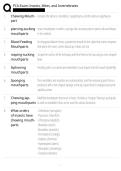
1. Chewing Mouth- includes the labrum, mandibles, hypopharynx, and the labrum-epipharynx
part
2. piercing-sucking insect mouthparts in which a syringe-like structure pierces plant cells and draws
mouthparts in its contents
3. Blood Feeding An elongated labium forms a protective sheath for the stylet that carries enzymes
Mouthparts that when the insect carries blood up it does not clot
4. rasping-sucking Scrape the surface of the leaf away and then feed on the sap using a cone shaped
mouthparts beak
5. Siphoning Feeding tube is uncoiled and extended to suck liquids into the mouth (butterfly)
mouthparts
6. Sponging The mandibles and maxillae are nonfunctional, and the remaining parts form a
mouthparts proboscis with a fan-shaped sponge at the tip, liquid food is mopped up by the
capillary action
7. Chewing-lap- Modified mouthparts that occur in bees. Includes a "tongue" that laps up liquids,
ping mouthparts as well as mandibles that can be used for various functions.
8. What orders -Collenbola (Springtails)
of insects have -Thysanura (Silverfish)
chewing mouth- -Orthoptera (katydids)
parts -Blattodea (roach)
-Mantodea (mantids)
-Dermaptera (Earwigs)
-Isoptera (Termites)
-Hymenoptera (bees)
-Neuroptera (lacewings)
-Cloeptera (beetles)
, PCA Exam: Insects, Mites, and Invertebrates
9. what insect Hemiptera (true bugs)
orders have Diptera (flies)
piercing-sucking Siphonaptera (flea)
mouthparts
10. How are they have a modified labrum that acts as a pouch for protecting the maxillary
piercing-sucking stylets and mandibles/maxillae that are sharpened like a needle
mouthparts
different than
chewing
mouthparts
11. What are the head thorax and abdomen
main body parts
of a adult insect
12. What are the cephalothorax (head region) abdomen, 8 legs
main body parts
of a adult spider
13. What are the cephalothorax, abdomen, 6 pairs of appendages- 4 legs and 2 pairs of mouth-
main body parts parts appendage
of a adult mite
14. What is the prop- Eruciform
er name for
catepillar like
body type
15. What is the scarabaeiform
proper name (formed like the letter c)
for grublike like
body type
, PCA Exam: Insects, Mites, and Invertebrates
16. What is the prop- vermiform (thin worm like)
er name for mag-
gotlike like body
type
17. Haltere wing a hindwing that is reduced to a knobbed guidance organ, most commonly found
type in diptera family of true flies
18. Tegmina wing front wings that are completely leathery or parchment like in texture, most com-
type mon in grasshopper or crickets
19. Hemelytra wing Front wings that are leathery or parchment-like at the base and membranous near
type the tip in some true bug species
20. Elytra wing type Hard, sclerotized front wings that serve as protective covers for membranous hind
wings, most common in beetle like species
21. Scales wing type Membranous wings that may be coated with scale to provide color, protection
from predators, and temperature regulation
22. What is the Starts the breakdown of the ingested food source
function of the
foregut in an in-
sect
23. What is the continues the breakdown of the food source by stripping away the nutritional
function of the portions of the food such as the proteins
midgut in an in-
sect
24. What is the final step in the digestive system if an insect by pulling the moisture from the food
function of the and then passing it through the insects rectum
1. Chewing Mouth- includes the labrum, mandibles, hypopharynx, and the labrum-epipharynx
part
2. piercing-sucking insect mouthparts in which a syringe-like structure pierces plant cells and draws
mouthparts in its contents
3. Blood Feeding An elongated labium forms a protective sheath for the stylet that carries enzymes
Mouthparts that when the insect carries blood up it does not clot
4. rasping-sucking Scrape the surface of the leaf away and then feed on the sap using a cone shaped
mouthparts beak
5. Siphoning Feeding tube is uncoiled and extended to suck liquids into the mouth (butterfly)
mouthparts
6. Sponging The mandibles and maxillae are nonfunctional, and the remaining parts form a
mouthparts proboscis with a fan-shaped sponge at the tip, liquid food is mopped up by the
capillary action
7. Chewing-lap- Modified mouthparts that occur in bees. Includes a "tongue" that laps up liquids,
ping mouthparts as well as mandibles that can be used for various functions.
8. What orders -Collenbola (Springtails)
of insects have -Thysanura (Silverfish)
chewing mouth- -Orthoptera (katydids)
parts -Blattodea (roach)
-Mantodea (mantids)
-Dermaptera (Earwigs)
-Isoptera (Termites)
-Hymenoptera (bees)
-Neuroptera (lacewings)
-Cloeptera (beetles)
, PCA Exam: Insects, Mites, and Invertebrates
9. what insect Hemiptera (true bugs)
orders have Diptera (flies)
piercing-sucking Siphonaptera (flea)
mouthparts
10. How are they have a modified labrum that acts as a pouch for protecting the maxillary
piercing-sucking stylets and mandibles/maxillae that are sharpened like a needle
mouthparts
different than
chewing
mouthparts
11. What are the head thorax and abdomen
main body parts
of a adult insect
12. What are the cephalothorax (head region) abdomen, 8 legs
main body parts
of a adult spider
13. What are the cephalothorax, abdomen, 6 pairs of appendages- 4 legs and 2 pairs of mouth-
main body parts parts appendage
of a adult mite
14. What is the prop- Eruciform
er name for
catepillar like
body type
15. What is the scarabaeiform
proper name (formed like the letter c)
for grublike like
body type
, PCA Exam: Insects, Mites, and Invertebrates
16. What is the prop- vermiform (thin worm like)
er name for mag-
gotlike like body
type
17. Haltere wing a hindwing that is reduced to a knobbed guidance organ, most commonly found
type in diptera family of true flies
18. Tegmina wing front wings that are completely leathery or parchment like in texture, most com-
type mon in grasshopper or crickets
19. Hemelytra wing Front wings that are leathery or parchment-like at the base and membranous near
type the tip in some true bug species
20. Elytra wing type Hard, sclerotized front wings that serve as protective covers for membranous hind
wings, most common in beetle like species
21. Scales wing type Membranous wings that may be coated with scale to provide color, protection
from predators, and temperature regulation
22. What is the Starts the breakdown of the ingested food source
function of the
foregut in an in-
sect
23. What is the continues the breakdown of the food source by stripping away the nutritional
function of the portions of the food such as the proteins
midgut in an in-
sect
24. What is the final step in the digestive system if an insect by pulling the moisture from the food
function of the and then passing it through the insects rectum


