02/07/2026, 19:11 Anki PDF Exporter: EC108 - Macroeconomics 1 - Term 2 (250 cards)
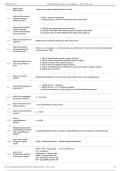
what is real
1.1 measures average material standard of living
GDP/capita?
what can the overall
trend - long-run component
2.1 real gdp/capita be
business cycle - short-run fluctuations around the trend
broken up into?
what was the pattern
1. rGDPpc rose significantly in all countries
of PPP-adjusted
3.1 2. countries with high initial rGDPpc grew at roughly similar rates
rGDPpc for the large
3. countries with low initial rGDPpc grew faster and caught up
rich economies?
what is convergence in
4.1 intially poorer countries catching up with richer ones
rGDPpc?
what does growth
there is no convergence - most developing countries have in fact grown slower than developed
5.1 among developing
countries since 1955
countries show?
1. rate of output/worker growth roughly constant
2. rate of capital stock/worker growth roughly constant
what are Kaldor's facts
3. capital to output ratio roughly constant
6.1 over long periods of
4. rate of return on capital roughly constant
time?
5. shares of national income received by labour and capital roughly constant
6. wages grow over time
what is the solow
7.1 theoretical descripiton of an economy where kaldor's facts arise endogenously
model?
capital stock K - machines
what are the factors of
8.1 labour force N - no. of workers available
production?
state of technology A - output fixed no. of workers/tools can produce
what is the aggregate
9.1 Y = F(K,N,A)
production function?
how to find amount of
10.1 A x N (technology x labour force)
effective labour
what is output/effective
11.1 y = Y/AN
worker?
what is
12.1 capital/effective k = K/AN
worker?
Relationship between
capital/effective worker
13.1 as capital/effective worker increases, output/effective worker increases at diminishing rate
and output/effective
worker?
what is the rate of
14.1 change of capital dK/dt = inflow(investment) - outflow(capital depreciation)
stock?
dk/dt = sf(k) - (S+ga+gn)k -> law of motion of k
Sy - investment
what is the
Lowercase s -savings rate
15.1 fundamental equation
of the solow model? Delta S -depreciation rate
GA - technology growth rate
GN - population growth rate
file:///Users/gautham/Documents/EC108 - Macroeconomics 1 - Term 2.html 1/36
,02/07/2026, 19:11 Anki PDF Exporter: EC108 - Macroeconomics 1 - Term 2 (250 cards)
what is the effective
16.1 depreciation rate in S + ga + g n
solow model equation?
given capital/effective accumulates with investment/saving (K increases)
17.1 worker, how does depreciates with capital depreciation (K falls), population growth (N rises) and tech
capital stock change? progress (A rises)
what are the inflows inflows -> sf(k)
18.1 and outflows in solow outflows -> (S+GA+GN)k
model? if inflows > outflows, then capital stock increases and vice versa
what happens when Atpoint k* (steady state), capital stops increasing (k*=0)
19.1 the economy is in a Wheneconomy is in steady state, there is also steady state level of output pereffective
steady state k*? worker.
at what rate does
growth rate equal to growth of technology + growth rate of population (GA+GN) -> total output
20.1 capital and output
grow? growth rate
what type of growth do
we only have transitory growth - k and y can only grow temporarily as they move towards k* and
21.1 we have in steady
y*. Once steady state reached, no growth in capital and output/effective worker
state?
what is growth rate of
22.1 GA
capital/worker?
what is growth rate of GA
23.1
output/worker?
capital accumulation only leads to transitory growth in convergence to steady state, due
to diminishing returns to capital
what are some key
labour force growth increases total output but not output/worker in long-run
24.1 solow model
sustained growth in output/effective worker needs sustained technological progress
predictions?
changes in saving rates, depreciation and population change time path of output/worker,
but not long-run growth rate
file:///Users/gautham/Documents/EC108 - Macroeconomics 1 - Term 2.html 2/36
,02/07/2026, 19:11 Anki PDF Exporter: EC108 - Macroeconomics 1 - Term 2 (250 cards)
how does an increase
25.1 in savings rate impact
steady state?
how does increase in
26.1 depreciation rate
impact steady state?
differences in technology in production account for most of gap in rGDPpc between
what do institutions
27.1 developed and developing countries
suggest?
poor institutions are key reason why some economies don't grow
file:///Users/gautham/Documents/EC108 - Macroeconomics 1 - Term 2.html 3/36
, 02/07/2026, 19:11 Anki PDF Exporter: EC108 - Macroeconomics 1 - Term 2 (250 cards)
Sudden permanent There will be a decrease in population growth (GN), so depreciation rate decreases, so
decline of population steady state k increases
growth rate, and Curve (S+Ga+Gn)k rotates clockwise about origin from (S+Ga+Gn1)k to (S+Ga+Gn2)k,
28.1
therefore, the growth with increase in steady state from k1* to k2*
rate of the labour Growth rate of output/worker is constant as Ga is unchanged
force. Total output falls as Ga + Gn falls
Due to war abroad,
large no. of people No permanent change in S, Ga or Gn, so steady state and curve does not shift
migrate tocountry, Increase in population growth means sudden increase in N and AN, so k* decreases as
leading to sudden k*=K/AN
29.1
increase in labour Economy moves from k* to k'
force, but no change Sudden drop in output/effective worker from y*= f(k*) to y'= f(k'), then climbs back up
in labourforce Since no permanent change in Ga + Gn, total output growth rate is constant
growth rate.
K will fall so K/AN falls, so k* falls to k'
War destroys large
No change in S, Ga or Gn so no change in depreciation curve, no change in steady
share of capital stock
30.1 state
in country,with no
Sudden fall in k means total output falls initially, but after, there is constant total output
other effects.
growth rate as Ga + Gn is unaffected
Permanent decline in Ga, so there is decrease in effective depreciation rate, so steady
Global R&D
state increases
expenditure decline
Steady state increases from k*, with depreciation curve rotating clockwise and shifting
leads to
31.1 downwards
permanentdecline in
Growth rate of output at a lower slope means rate of output growth is lower than normal,
rate of technological
because fall in Ga means Ga + Gn falls.
process.
Growthrate of capital/worker and output/worker also falls as Ga falls
what happens to
output when a shock short run - output moves away from trend
32.1 occurs? medium run - output moves towards its trend
(short,medium,long long run - output is at its trend
term)
the deviation of actual from potential output
what is the output
33.1
gap?
Y t - Yt n / Yt n
what happens if the same as exogenous change in M/P so LM curve shifted
34.1 price level P changes if p increases, then m/p decreases so LM shifts left
exogenously? if p decreases, then m/p increases so LM shifts right
what are positive and
positive demand shocks - shocks that raise output shift AD right
35.1 negative demand
negative demand shocks - shocks that lower output shift AD left
shocks?
what do prices and
short run - prices are fixed, demand shocks affect output
36.1 output look like in the
long run - prices are flexible, demand shocks affect aggregate price level
short and long run?
what is a more modern
central bank sets interest rate while money adjusts endogenously
37.1 view of monetary
now Y is completely determined by IS model
policy?
what are the effect of
exogenous changes in increase in i leads to fall in output (monetary tightening) - m/p falls
38.1
interest rate on fall in i leads to rise in output (monetary expansion) - m/p rises
output?
file:///Users/gautham/Documents/EC108 - Macroeconomics 1 - Term 2.html 4/36
what is real
1.1 measures average material standard of living
GDP/capita?
what can the overall
trend - long-run component
2.1 real gdp/capita be
business cycle - short-run fluctuations around the trend
broken up into?
what was the pattern
1. rGDPpc rose significantly in all countries
of PPP-adjusted
3.1 2. countries with high initial rGDPpc grew at roughly similar rates
rGDPpc for the large
3. countries with low initial rGDPpc grew faster and caught up
rich economies?
what is convergence in
4.1 intially poorer countries catching up with richer ones
rGDPpc?
what does growth
there is no convergence - most developing countries have in fact grown slower than developed
5.1 among developing
countries since 1955
countries show?
1. rate of output/worker growth roughly constant
2. rate of capital stock/worker growth roughly constant
what are Kaldor's facts
3. capital to output ratio roughly constant
6.1 over long periods of
4. rate of return on capital roughly constant
time?
5. shares of national income received by labour and capital roughly constant
6. wages grow over time
what is the solow
7.1 theoretical descripiton of an economy where kaldor's facts arise endogenously
model?
capital stock K - machines
what are the factors of
8.1 labour force N - no. of workers available
production?
state of technology A - output fixed no. of workers/tools can produce
what is the aggregate
9.1 Y = F(K,N,A)
production function?
how to find amount of
10.1 A x N (technology x labour force)
effective labour
what is output/effective
11.1 y = Y/AN
worker?
what is
12.1 capital/effective k = K/AN
worker?
Relationship between
capital/effective worker
13.1 as capital/effective worker increases, output/effective worker increases at diminishing rate
and output/effective
worker?
what is the rate of
14.1 change of capital dK/dt = inflow(investment) - outflow(capital depreciation)
stock?
dk/dt = sf(k) - (S+ga+gn)k -> law of motion of k
Sy - investment
what is the
Lowercase s -savings rate
15.1 fundamental equation
of the solow model? Delta S -depreciation rate
GA - technology growth rate
GN - population growth rate
file:///Users/gautham/Documents/EC108 - Macroeconomics 1 - Term 2.html 1/36
,02/07/2026, 19:11 Anki PDF Exporter: EC108 - Macroeconomics 1 - Term 2 (250 cards)
what is the effective
16.1 depreciation rate in S + ga + g n
solow model equation?
given capital/effective accumulates with investment/saving (K increases)
17.1 worker, how does depreciates with capital depreciation (K falls), population growth (N rises) and tech
capital stock change? progress (A rises)
what are the inflows inflows -> sf(k)
18.1 and outflows in solow outflows -> (S+GA+GN)k
model? if inflows > outflows, then capital stock increases and vice versa
what happens when Atpoint k* (steady state), capital stops increasing (k*=0)
19.1 the economy is in a Wheneconomy is in steady state, there is also steady state level of output pereffective
steady state k*? worker.
at what rate does
growth rate equal to growth of technology + growth rate of population (GA+GN) -> total output
20.1 capital and output
grow? growth rate
what type of growth do
we only have transitory growth - k and y can only grow temporarily as they move towards k* and
21.1 we have in steady
y*. Once steady state reached, no growth in capital and output/effective worker
state?
what is growth rate of
22.1 GA
capital/worker?
what is growth rate of GA
23.1
output/worker?
capital accumulation only leads to transitory growth in convergence to steady state, due
to diminishing returns to capital
what are some key
labour force growth increases total output but not output/worker in long-run
24.1 solow model
sustained growth in output/effective worker needs sustained technological progress
predictions?
changes in saving rates, depreciation and population change time path of output/worker,
but not long-run growth rate
file:///Users/gautham/Documents/EC108 - Macroeconomics 1 - Term 2.html 2/36
,02/07/2026, 19:11 Anki PDF Exporter: EC108 - Macroeconomics 1 - Term 2 (250 cards)
how does an increase
25.1 in savings rate impact
steady state?
how does increase in
26.1 depreciation rate
impact steady state?
differences in technology in production account for most of gap in rGDPpc between
what do institutions
27.1 developed and developing countries
suggest?
poor institutions are key reason why some economies don't grow
file:///Users/gautham/Documents/EC108 - Macroeconomics 1 - Term 2.html 3/36
, 02/07/2026, 19:11 Anki PDF Exporter: EC108 - Macroeconomics 1 - Term 2 (250 cards)
Sudden permanent There will be a decrease in population growth (GN), so depreciation rate decreases, so
decline of population steady state k increases
growth rate, and Curve (S+Ga+Gn)k rotates clockwise about origin from (S+Ga+Gn1)k to (S+Ga+Gn2)k,
28.1
therefore, the growth with increase in steady state from k1* to k2*
rate of the labour Growth rate of output/worker is constant as Ga is unchanged
force. Total output falls as Ga + Gn falls
Due to war abroad,
large no. of people No permanent change in S, Ga or Gn, so steady state and curve does not shift
migrate tocountry, Increase in population growth means sudden increase in N and AN, so k* decreases as
leading to sudden k*=K/AN
29.1
increase in labour Economy moves from k* to k'
force, but no change Sudden drop in output/effective worker from y*= f(k*) to y'= f(k'), then climbs back up
in labourforce Since no permanent change in Ga + Gn, total output growth rate is constant
growth rate.
K will fall so K/AN falls, so k* falls to k'
War destroys large
No change in S, Ga or Gn so no change in depreciation curve, no change in steady
share of capital stock
30.1 state
in country,with no
Sudden fall in k means total output falls initially, but after, there is constant total output
other effects.
growth rate as Ga + Gn is unaffected
Permanent decline in Ga, so there is decrease in effective depreciation rate, so steady
Global R&D
state increases
expenditure decline
Steady state increases from k*, with depreciation curve rotating clockwise and shifting
leads to
31.1 downwards
permanentdecline in
Growth rate of output at a lower slope means rate of output growth is lower than normal,
rate of technological
because fall in Ga means Ga + Gn falls.
process.
Growthrate of capital/worker and output/worker also falls as Ga falls
what happens to
output when a shock short run - output moves away from trend
32.1 occurs? medium run - output moves towards its trend
(short,medium,long long run - output is at its trend
term)
the deviation of actual from potential output
what is the output
33.1
gap?
Y t - Yt n / Yt n
what happens if the same as exogenous change in M/P so LM curve shifted
34.1 price level P changes if p increases, then m/p decreases so LM shifts left
exogenously? if p decreases, then m/p increases so LM shifts right
what are positive and
positive demand shocks - shocks that raise output shift AD right
35.1 negative demand
negative demand shocks - shocks that lower output shift AD left
shocks?
what do prices and
short run - prices are fixed, demand shocks affect output
36.1 output look like in the
long run - prices are flexible, demand shocks affect aggregate price level
short and long run?
what is a more modern
central bank sets interest rate while money adjusts endogenously
37.1 view of monetary
now Y is completely determined by IS model
policy?
what are the effect of
exogenous changes in increase in i leads to fall in output (monetary tightening) - m/p falls
38.1
interest rate on fall in i leads to rise in output (monetary expansion) - m/p rises
output?
file:///Users/gautham/Documents/EC108 - Macroeconomics 1 - Term 2.html 4/36