All-in-One Nursing Care Planning
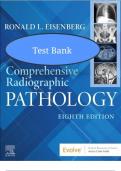
Resource
Medical-Surgical, Pediatric,
Maternity, and Psychiatric-Mental
Health
5th Edition
• Author(s)Pamela L. Swearingen;
Jacqueline Wright
TEST BANK
,1) MCQ
Clinical Scenario: A 61-year-old client with pancreatic cancer
reports worsening fatigue, poor appetite, and needing help
getting to the bathroom. The client asks, “What is the nurse
most concerned about right now?”
Question Stem: Which nursing action should the nurse do first?
Answer Options:
A. Teach the client to increase protein intake
B. Assess for anemia, oxygenation, and activity tolerance
C. Encourage the client to nap for most of the day
D. Ask the provider to prescribe a stimulant
Correct Answer: B
Detailed Rationale: Fatigue in cancer can be caused by anemia,
hypoxia, treatment effects, pain, or poor nutrition. The nurse
must assess for reversible contributors before planning
interventions.
Incorrect Option Analysis:
• A is important but not first. Misconception: nutrition alone
fixes cancer-related fatigue.
• C may worsen deconditioning. Safety concern: weakness
and falls.
, • D is premature without assessment. Misconception: all
fatigue needs medication.
Nursing Process Linkage: Assessment
Clinical Judgment Competencies: Recognize Cues; Analyze Cues
Difficulty Level: Moderate
Bloom’s Cognitive Level: Analyze
NCLEX Client Needs Category: Physiological Adaptation
Nursing Diagnosis Integration:
• Priority Nursing Diagnosis: Fatigue
• Related Factors: Cancer burden, possible anemia,
treatment effects
• Defining Characteristics: Exhaustion, poor endurance,
reduced self-care ability
Expected Outcome: The client will identify at least one
modifiable contributor to fatigue and maintain safe activity
tolerance.
Key Learning Objective: Use focused assessment to guide
a cancer fatigue care plan.
2) SATA
Clinical Scenario: A client receiving chemotherapy has painful
oral ulcers, nausea, and a temperature of 38.1°C (100.6°F).
, Question Stem: Which nursing interventions should be
included? Select all that apply.
Answer Options:
A. Use a soft-bristled toothbrush or oral swabs
B. Offer bland, cool foods
C. Encourage alcohol-based mouthwash after meals
D. Monitor temperature closely and report fever
E. Encourage adequate fluid intake as tolerated
F. Advise the client to avoid all oral care until ulcers heal
Correct Answers: A, B, D, E
Detailed Rationale: Chemotherapy can cause mucositis and
infection risk. Gentle oral care, bland cool foods, fever
monitoring, and hydration support reduce pain and
complications.
Incorrect Option Analysis:
• C is incorrect because alcohol irritates inflamed mucosa.
Misconception: all mouthwash is helpful.
• F is incorrect because oral care is still needed. Safety
concern: infection and worsening mucositis.
Nursing Process Linkage: Implementation
Clinical Judgment Competencies: Generate Solutions; Take
Action
Difficulty Level: Moderate
Resource
Medical-Surgical, Pediatric,
Maternity, and Psychiatric-Mental
Health
5th Edition
• Author(s)Pamela L. Swearingen;
Jacqueline Wright
TEST BANK
,1) MCQ
Clinical Scenario: A 61-year-old client with pancreatic cancer
reports worsening fatigue, poor appetite, and needing help
getting to the bathroom. The client asks, “What is the nurse
most concerned about right now?”
Question Stem: Which nursing action should the nurse do first?
Answer Options:
A. Teach the client to increase protein intake
B. Assess for anemia, oxygenation, and activity tolerance
C. Encourage the client to nap for most of the day
D. Ask the provider to prescribe a stimulant
Correct Answer: B
Detailed Rationale: Fatigue in cancer can be caused by anemia,
hypoxia, treatment effects, pain, or poor nutrition. The nurse
must assess for reversible contributors before planning
interventions.
Incorrect Option Analysis:
• A is important but not first. Misconception: nutrition alone
fixes cancer-related fatigue.
• C may worsen deconditioning. Safety concern: weakness
and falls.
, • D is premature without assessment. Misconception: all
fatigue needs medication.
Nursing Process Linkage: Assessment
Clinical Judgment Competencies: Recognize Cues; Analyze Cues
Difficulty Level: Moderate
Bloom’s Cognitive Level: Analyze
NCLEX Client Needs Category: Physiological Adaptation
Nursing Diagnosis Integration:
• Priority Nursing Diagnosis: Fatigue
• Related Factors: Cancer burden, possible anemia,
treatment effects
• Defining Characteristics: Exhaustion, poor endurance,
reduced self-care ability
Expected Outcome: The client will identify at least one
modifiable contributor to fatigue and maintain safe activity
tolerance.
Key Learning Objective: Use focused assessment to guide
a cancer fatigue care plan.
2) SATA
Clinical Scenario: A client receiving chemotherapy has painful
oral ulcers, nausea, and a temperature of 38.1°C (100.6°F).
, Question Stem: Which nursing interventions should be
included? Select all that apply.
Answer Options:
A. Use a soft-bristled toothbrush or oral swabs
B. Offer bland, cool foods
C. Encourage alcohol-based mouthwash after meals
D. Monitor temperature closely and report fever
E. Encourage adequate fluid intake as tolerated
F. Advise the client to avoid all oral care until ulcers heal
Correct Answers: A, B, D, E
Detailed Rationale: Chemotherapy can cause mucositis and
infection risk. Gentle oral care, bland cool foods, fever
monitoring, and hydration support reduce pain and
complications.
Incorrect Option Analysis:
• C is incorrect because alcohol irritates inflamed mucosa.
Misconception: all mouthwash is helpful.
• F is incorrect because oral care is still needed. Safety
concern: infection and worsening mucositis.
Nursing Process Linkage: Implementation
Clinical Judgment Competencies: Generate Solutions; Take
Action
Difficulty Level: Moderate