PPH4806 ASSIGNMENT 2 2026
QUESTION 1: INTRODUCTION
Health systems in low- and middle-income countries (LMICs) face persistent challenges
that undermine their ability to deliver quality, accessible, and safe health services to
populations. Major health system challenges frequently observed in public health
sectors include negative staff attitudes, long waiting times, unclean facilities, medicine
stock-outs, insufficient infection control, and compromised safety and security of both
staff and patients. These challenges are not isolated incidents but rather reflect deeper
systemic issues within health systems that require comprehensive understanding and
strategic intervention.
Health systems are complex adaptive systems comprising multiple interconnected
components that influence health outcomes (Siddiqi et al. 2026:2). As the World Health
Organization (WHO) has articulated, health systems encompass six building blocks:
service delivery, health workforce, health information systems, medical
products/vaccines/technologies, financing, and leadership/governance (Siddiqi et al.
2026:9). When any of these components fail to function optimally, the consequences
manifest in the quality of care patients receive and the working conditions of health
providers.
The challenges identified in the scenarionegative staff attitudes, long waiting times,
unclean facilities, medicine stock-outs, insufficient infection control, and compromised
safety and security represent interconnected failures across multiple health system
building blocks. Negative staff attitudes and compromised safety may reflect
weaknesses in leadership and governance as well as human resource management.
Long waiting times and unclean facilities point to service delivery and infrastructure
deficits. Medicine stock-outs indicate failures in supply chain management and
financing. Insufficient infection control suggests gaps in quality assurance and health
workforce training (Dovlo et al. 2026:148).
,Addressing these challenges requires a systematic approach to problem identification,
data gathering, and evidence-informed decision-making. As Peters and Alonge
(2026:209) emphasise, implementation research offers a way to understand and
address implementation challenges and contribute to building stronger health systems
within specific and changing contexts. Health workers and managers must be equipped
with the skills to identify problems, gather relevant data, analyse root causes, and
develop targeted interventions that strengthen health system resilience.
This assignment aims to illustrate the process of data gathering and problem
identification in addressing health system challenges, analyse the characteristics of
health systems resilience within the WHO six building blocks, and provide a
comprehensive background analysis of a selected health system. When applying
systematic approaches to understanding health system challenges, public health
workers can contribute to building resilient health systems that deliver quality care to all
populations.
,QUESTION 2.1: DATA GATHERING AND PROBLEM IDENTIFICATION STEPS
The following table illustrates the systematic steps for data gathering and problem
identification in addressing health system challenges, using the scenario of negative
staff attitudes, long waiting times, unclean facilities, medicine stock-outs, insufficient
infection control, and compromised safety and security.
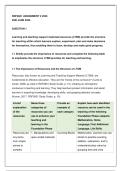
Table 1: Data Gathering and Problem Identification Steps
Step Activity Data Expected Example
Sources/Meth Outputs Application
ods
1. Define Clearly • Stakeholder • Problem "Patients at X District
the articulate consultations statement Hospital experience
Problem the health • Key informant • Scope of the average waiting
system interviews issue times of 4 hours,
challenges • Review of • Initial staff absenteeism
being existing reports hypothesis rates of 30%, and
experience medicine stock-outs
d affecting 40% of
essential drugs"
2. Identify Determine • Problem • List of required Data needed: staff
Data what analysis indicators attendance records,
Needs information framework • Data collection patient waiting time
is required • WHO health plan logs, facility
to system building • Resource cleanliness audits,
understand blocks requirements medicine inventory
the • Logical records, infection
problem framework control checklists,
approach security incident
reports
, 3. Select Choose • Quantitative: • Data collection • Staff attitude survey
Data appropriate surveys, routine tools (quantitative)
Collection methods data, registers • Sampling • Patient exit
Methods for • Qualitative: strategy interviews
gathering interviews, • Ethical (qualitative)
information focus groups, considerations • Facility observation
observations checklists (mixed)
• Mixed • Medicine supply
methods chain audit
(quantitative)
4. Collect Gather • Health facility • Raw data Conduct: 200 patient
Data information assessments • Field notes satisfaction surveys;
from (Dovlo et al. • Completed 50 staff interviews;
multiple 2026:163) questionnaires 30-day facility
sources • Household observation;
surveys medicine stock
• Routine health inventory across 15
information facilities; review of
systems 12 months of
• Stakeholder security reports
interviews
5. Analyse Process • Quantitative: • Data analysis Analysis reveals:
Data and descriptive report staff attitudes
interpret statistics, trend • Identified correlate with
collected analysis patterns delayed salaries;
information • Qualitative: • Root causes waiting times peak
thematic during morning
analysis, hours; stock-outs
content concentrated in rural
analysis facilities; infection
• Root cause
QUESTION 1: INTRODUCTION
Health systems in low- and middle-income countries (LMICs) face persistent challenges
that undermine their ability to deliver quality, accessible, and safe health services to
populations. Major health system challenges frequently observed in public health
sectors include negative staff attitudes, long waiting times, unclean facilities, medicine
stock-outs, insufficient infection control, and compromised safety and security of both
staff and patients. These challenges are not isolated incidents but rather reflect deeper
systemic issues within health systems that require comprehensive understanding and
strategic intervention.
Health systems are complex adaptive systems comprising multiple interconnected
components that influence health outcomes (Siddiqi et al. 2026:2). As the World Health
Organization (WHO) has articulated, health systems encompass six building blocks:
service delivery, health workforce, health information systems, medical
products/vaccines/technologies, financing, and leadership/governance (Siddiqi et al.
2026:9). When any of these components fail to function optimally, the consequences
manifest in the quality of care patients receive and the working conditions of health
providers.
The challenges identified in the scenarionegative staff attitudes, long waiting times,
unclean facilities, medicine stock-outs, insufficient infection control, and compromised
safety and security represent interconnected failures across multiple health system
building blocks. Negative staff attitudes and compromised safety may reflect
weaknesses in leadership and governance as well as human resource management.
Long waiting times and unclean facilities point to service delivery and infrastructure
deficits. Medicine stock-outs indicate failures in supply chain management and
financing. Insufficient infection control suggests gaps in quality assurance and health
workforce training (Dovlo et al. 2026:148).
,Addressing these challenges requires a systematic approach to problem identification,
data gathering, and evidence-informed decision-making. As Peters and Alonge
(2026:209) emphasise, implementation research offers a way to understand and
address implementation challenges and contribute to building stronger health systems
within specific and changing contexts. Health workers and managers must be equipped
with the skills to identify problems, gather relevant data, analyse root causes, and
develop targeted interventions that strengthen health system resilience.
This assignment aims to illustrate the process of data gathering and problem
identification in addressing health system challenges, analyse the characteristics of
health systems resilience within the WHO six building blocks, and provide a
comprehensive background analysis of a selected health system. When applying
systematic approaches to understanding health system challenges, public health
workers can contribute to building resilient health systems that deliver quality care to all
populations.
,QUESTION 2.1: DATA GATHERING AND PROBLEM IDENTIFICATION STEPS
The following table illustrates the systematic steps for data gathering and problem
identification in addressing health system challenges, using the scenario of negative
staff attitudes, long waiting times, unclean facilities, medicine stock-outs, insufficient
infection control, and compromised safety and security.
Table 1: Data Gathering and Problem Identification Steps
Step Activity Data Expected Example
Sources/Meth Outputs Application
ods
1. Define Clearly • Stakeholder • Problem "Patients at X District
the articulate consultations statement Hospital experience
Problem the health • Key informant • Scope of the average waiting
system interviews issue times of 4 hours,
challenges • Review of • Initial staff absenteeism
being existing reports hypothesis rates of 30%, and
experience medicine stock-outs
d affecting 40% of
essential drugs"
2. Identify Determine • Problem • List of required Data needed: staff
Data what analysis indicators attendance records,
Needs information framework • Data collection patient waiting time
is required • WHO health plan logs, facility
to system building • Resource cleanliness audits,
understand blocks requirements medicine inventory
the • Logical records, infection
problem framework control checklists,
approach security incident
reports
, 3. Select Choose • Quantitative: • Data collection • Staff attitude survey
Data appropriate surveys, routine tools (quantitative)
Collection methods data, registers • Sampling • Patient exit
Methods for • Qualitative: strategy interviews
gathering interviews, • Ethical (qualitative)
information focus groups, considerations • Facility observation
observations checklists (mixed)
• Mixed • Medicine supply
methods chain audit
(quantitative)
4. Collect Gather • Health facility • Raw data Conduct: 200 patient
Data information assessments • Field notes satisfaction surveys;
from (Dovlo et al. • Completed 50 staff interviews;
multiple 2026:163) questionnaires 30-day facility
sources • Household observation;
surveys medicine stock
• Routine health inventory across 15
information facilities; review of
systems 12 months of
• Stakeholder security reports
interviews
5. Analyse Process • Quantitative: • Data analysis Analysis reveals:
Data and descriptive report staff attitudes
interpret statistics, trend • Identified correlate with
collected analysis patterns delayed salaries;
information • Qualitative: • Root causes waiting times peak
thematic during morning
analysis, hours; stock-outs
content concentrated in rural
analysis facilities; infection
• Root cause