

PHIL 2440: medical ethics exam 3 (mizzou: HALL)
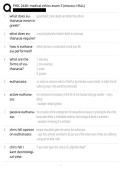
1. what does eu- good death; some deaths are better than others
thanasia mean in
greek?
2. what does eu- a second party who hastens death in some way
thanasia require?
3. how is euthana- lethal injection or medication to end your life.
sia performed?
4. what are the 1. voluntary
forms of eu- 2. non-voluntary
thanasia? 3. active
4. passive
5. euthanasia: an action or omission which of itself or by intention causes death, in order that all
suffering may in this world be eliminated
6. active euthana- the intentional termination of the life of one human being by another - mercy
sia: killing
- example: lethal injection
7. passive euthana- the cessation of the employment of extraordinary means to prolong the life of the
sia: body when there is irrefutable evidence that biological death is imminent
- example: removing of a ventilator
8. chris hill opinion people should be given the option for euthanasia
on euthanasia: - says that: animals are killed to be put out of the misery even if they are suffering
a tiny part of what I did.
9. chris hill / "I was never given the choice of a dignified death"
kant deontologi-
cal view:
, PHIL 2440: medical ethics exam 3 (mizzou: HALL)
10. chris hill's virtue the medical profession attitude of life at any cost was an inhumane presumption
ethics implica- that amounted to arrogance.
tions on euthana-
sia:
11. declaration on passive euthanasia is morally permissible, but not active euthanasia
euthanasia con-
clusion:
12. divine com- - violation of divine law.
mand arguments - opposing god's love for that person.
against euthana- - rejection of god's sovereignty and plan.
sia: - sharing in christ's passion and redeeming sacrifice.
- need to prepare for other life. It is not a right to
deprive the dying of consciousness without serious
region.
13. deontological ar- - the killing of innocent persons violates a fundamental
guments against right.
euthanasia: - request for death is not a true desire, but a "plea for
help and love."
- flight from duty of justice and charity to others
- protect at moment of death the dignity of a human
person.
14. declaration on - permissible to reject treatments that only secures a
why passive eu- "precarious and burdensome prolongation of life"
thanasia is per- - permissible to reject medical procedures that are
missible: "disproportionate to the results that can be expected,
or desire not to impose excessive expense on the
family/community"
- such a refusal is not suicide, but "acceptance of the
human condition"
, PHIL 2440: medical ethics exam 3 (mizzou: HALL)
15. voluntary eu- - the act of ending a dying patient's life by medical
thanasia: means with his or her verbal or written consent.
- pulling the plug or something of the nature based on
instructions in a living will.
16. non-voluntary - a circumstance in which the person who is killed made
euthanasia: no request and gave no consent; the decision to
terminate life was made by someone who has good
intention to make the decision.
- euthanasia based on the decision of a family member
given consent to make such decision.
17. involuntary eu- - euthanasia is conducted against the wishes of the
thanasia: person. this is just murder.
- patient fate in hands of family member / spouse.
18. example of pas- withholding the treatments available to still keep them alive, letting the patient die
sive euthanasia: without giving any means toprolong the body's life
19. james rachels' 1. active euthanasia is often more humane than passive
view on active eu- 2. passive euthanasia is often based on irrelevant
thanasia: grounds
3. there is no moral difference between killing and
letting die
SO: if any form of euthanasia is morally permissible,
then active is often preferable
20. objection 1 on - no personal gain for doctor, the doctor is not
rachels: euthana- destroying a healthy person-response:
sia disanalogy: no moral difference between killing and letting die
- letting patient die for humane reasons = giving lethal
injection for humane reasons
1. what does eu- good death; some deaths are better than others
thanasia mean in
greek?
2. what does eu- a second party who hastens death in some way
thanasia require?
3. how is euthana- lethal injection or medication to end your life.
sia performed?
4. what are the 1. voluntary
forms of eu- 2. non-voluntary
thanasia? 3. active
4. passive
5. euthanasia: an action or omission which of itself or by intention causes death, in order that all
suffering may in this world be eliminated
6. active euthana- the intentional termination of the life of one human being by another - mercy
sia: killing
- example: lethal injection
7. passive euthana- the cessation of the employment of extraordinary means to prolong the life of the
sia: body when there is irrefutable evidence that biological death is imminent
- example: removing of a ventilator
8. chris hill opinion people should be given the option for euthanasia
on euthanasia: - says that: animals are killed to be put out of the misery even if they are suffering
a tiny part of what I did.
9. chris hill / "I was never given the choice of a dignified death"
kant deontologi-
cal view:
, PHIL 2440: medical ethics exam 3 (mizzou: HALL)
10. chris hill's virtue the medical profession attitude of life at any cost was an inhumane presumption
ethics implica- that amounted to arrogance.
tions on euthana-
sia:
11. declaration on passive euthanasia is morally permissible, but not active euthanasia
euthanasia con-
clusion:
12. divine com- - violation of divine law.
mand arguments - opposing god's love for that person.
against euthana- - rejection of god's sovereignty and plan.
sia: - sharing in christ's passion and redeeming sacrifice.
- need to prepare for other life. It is not a right to
deprive the dying of consciousness without serious
region.
13. deontological ar- - the killing of innocent persons violates a fundamental
guments against right.
euthanasia: - request for death is not a true desire, but a "plea for
help and love."
- flight from duty of justice and charity to others
- protect at moment of death the dignity of a human
person.
14. declaration on - permissible to reject treatments that only secures a
why passive eu- "precarious and burdensome prolongation of life"
thanasia is per- - permissible to reject medical procedures that are
missible: "disproportionate to the results that can be expected,
or desire not to impose excessive expense on the
family/community"
- such a refusal is not suicide, but "acceptance of the
human condition"
, PHIL 2440: medical ethics exam 3 (mizzou: HALL)
15. voluntary eu- - the act of ending a dying patient's life by medical
thanasia: means with his or her verbal or written consent.
- pulling the plug or something of the nature based on
instructions in a living will.
16. non-voluntary - a circumstance in which the person who is killed made
euthanasia: no request and gave no consent; the decision to
terminate life was made by someone who has good
intention to make the decision.
- euthanasia based on the decision of a family member
given consent to make such decision.
17. involuntary eu- - euthanasia is conducted against the wishes of the
thanasia: person. this is just murder.
- patient fate in hands of family member / spouse.
18. example of pas- withholding the treatments available to still keep them alive, letting the patient die
sive euthanasia: without giving any means toprolong the body's life
19. james rachels' 1. active euthanasia is often more humane than passive
view on active eu- 2. passive euthanasia is often based on irrelevant
thanasia: grounds
3. there is no moral difference between killing and
letting die
SO: if any form of euthanasia is morally permissible,
then active is often preferable
20. objection 1 on - no personal gain for doctor, the doctor is not
rachels: euthana- destroying a healthy person-response:
sia disanalogy: no moral difference between killing and letting die
- letting patient die for humane reasons = giving lethal
injection for humane reasons


