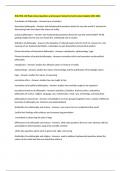
MGT 3620 MIDTERM EXAM WITH ANSWERS
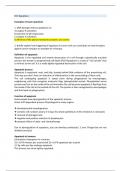
MGT 3620 MIDTERM EXAM WITH ANSWERSMGT 3620 MIDTERM EXAM WITH ANSWERS 1. List and briefly identify the seven foundation competencies that are needed by individuals to be successful in most professional and managerial positions. 1. Managing Self 2. Managing Communication 3. Managing Diversity 4. Managing Ethics 5. Managing Across Cultures 6. Managing Teams 7. Managing Change 2. Briefly define the dimensions of individualism and collectivism, and give an example of a country that tends to place an emphasis on each. Vertical collectivism includes seeing the self as a part of a collective and accepting inequality within the collective. Horizontal collectivism includes seeing the self as a part of the collective, but seeing all members of the collective as the same; therefore equality is stressed. China and Russia are examples of collectivism. Vertical Individualism includes the conception an independent individual and emphasis on equality. US is an example of individualism. 3. Identify and briefly describe what is meant by the “Big Five” personality factors. Openness - Openness to experience describes a person's degree of intellectual curiosity, creativity, and preference for novelty and variety. Some disagreement remains about how to interpret this factor, which is sometimes called intellect. Conscientiousness - Conscientiousness is a tendency to show self-discipline, act dutifully, and aim for achievement. Conscientiousness also refers to planning, organization, and dependability. Extraversion - Extraversion describes energy, positive emotions, assertiveness, sociability, talkativeness, and the tendency to seek stimulation in the company of others. Agreeableness - Agreeableness is the tendency to be compassionate and cooperative towards others rather than suspicious and antagonistic. Neuroticism - Neuroticism describes vulnerability to unpleasant emotions like anger, anxiety, depression, or vulnerability. Neuroticism also refers to an individual's level of emotional stability and impulse control and is sometimes referred to as emotional stability. 4. Describe positive emotions and how they affect organizational performance. Positive emotions such as joy, love, and surprise result from our reaction to desired events. In the workplace these events may include achieving a goal or receiving praise from a superior. Individuals experiencing a positive emotion may feel peaceful, content, and calm. A positive feeling generates a sensation of having something you didn’t have before. As a result, it may cause you to feel fulfilled and satisfied. Positive feeling have been shown to dispose a person to optimism, and a positive emotional state
Written for
Document information
- Uploaded on
- May 23, 2021
- Number of pages
- 5
- Written in
- 2020/2021
- Type
- Exam (elaborations)
- Contains
- Questions & answers
Subjects
-
mgt 3620 midterm exam with answers 1 list and briefly identify the seven foundation competencies that are needed by individuals to be successful in most professional and managerial positions 1 ma