Broker Supervision Requirements Practice
Examination 2026 Practice Questions
and Answers
with Detailed Rationales & instant pdf
download
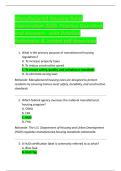
1. Which of the following is the primary purpose of broker
supervision requirements?
A. To increase sales commissions
B. To reduce advertising costs
C. To protect clients and ensure regulatory compliance
D. To eliminate employee training
Rationale: Supervision requirements are designed to protect
investors and ensure firms comply with applicable laws and
regulations.
2. Who is ultimately responsible for establishing a broker-dealer’s
supervisory system?
A. Registered representatives
B. Branch clerks
C. Customers
D. Senior management of the broker-dealer
Rationale: Senior management is responsible for creating and
maintaining an effective supervisory structure.
, 3. Written Supervisory Procedures (WSPs) should:
A. Be optional for small firms
B. Only address sales practices
C. Clearly outline supervisory responsibilities and processes
D. Be updated once every ten years
Rationale: WSPs must define how the firm supervises activities and
complies with regulations.
4. A designated principal is responsible for:
A. Approving customer loans
B. Preparing customer tax returns
C. Supervising registered representatives and firm activities
D. Managing office leases
Rationale: Principals oversee registered personnel and ensure
compliance with firm policies and regulations.
5. Which activity requires heightened supervisory attention?
A. Routine office maintenance
B. Employee vacation scheduling
C. Frequent customer complaints
D. Ordering office supplies
Rationale: Customer complaints may indicate misconduct or
compliance failures requiring review.
6. Branch office inspections are conducted to:
A. Evaluate employee salaries
B. Reduce office expenses
, C. Assess compliance with supervisory procedures
D. Increase product sales
Rationale: Inspections help firms identify and correct compliance
weaknesses.
7. How often must firms generally review their supervisory
systems?
A. Every five years
B. Only when requested
C. At least annually
D. Once after formation
Rationale: Regulatory standards generally require annual
supervisory reviews.
8. Which of the following is considered correspondence
supervision?
A. Building maintenance reviews
B. Monitoring emails sent to customers
C. Payroll processing
D. Equipment inventory
Rationale: Firms must supervise communications with the public,
including emails.
9. The purpose of maintaining customer complaint records is to:
A. Advertise firm services
B. Reduce taxes
C. Track and address potential compliance issues
D. Replace training materials
Examination 2026 Practice Questions
and Answers
with Detailed Rationales & instant pdf
download
1. Which of the following is the primary purpose of broker
supervision requirements?
A. To increase sales commissions
B. To reduce advertising costs
C. To protect clients and ensure regulatory compliance
D. To eliminate employee training
Rationale: Supervision requirements are designed to protect
investors and ensure firms comply with applicable laws and
regulations.
2. Who is ultimately responsible for establishing a broker-dealer’s
supervisory system?
A. Registered representatives
B. Branch clerks
C. Customers
D. Senior management of the broker-dealer
Rationale: Senior management is responsible for creating and
maintaining an effective supervisory structure.
, 3. Written Supervisory Procedures (WSPs) should:
A. Be optional for small firms
B. Only address sales practices
C. Clearly outline supervisory responsibilities and processes
D. Be updated once every ten years
Rationale: WSPs must define how the firm supervises activities and
complies with regulations.
4. A designated principal is responsible for:
A. Approving customer loans
B. Preparing customer tax returns
C. Supervising registered representatives and firm activities
D. Managing office leases
Rationale: Principals oversee registered personnel and ensure
compliance with firm policies and regulations.
5. Which activity requires heightened supervisory attention?
A. Routine office maintenance
B. Employee vacation scheduling
C. Frequent customer complaints
D. Ordering office supplies
Rationale: Customer complaints may indicate misconduct or
compliance failures requiring review.
6. Branch office inspections are conducted to:
A. Evaluate employee salaries
B. Reduce office expenses
, C. Assess compliance with supervisory procedures
D. Increase product sales
Rationale: Inspections help firms identify and correct compliance
weaknesses.
7. How often must firms generally review their supervisory
systems?
A. Every five years
B. Only when requested
C. At least annually
D. Once after formation
Rationale: Regulatory standards generally require annual
supervisory reviews.
8. Which of the following is considered correspondence
supervision?
A. Building maintenance reviews
B. Monitoring emails sent to customers
C. Payroll processing
D. Equipment inventory
Rationale: Firms must supervise communications with the public,
including emails.
9. The purpose of maintaining customer complaint records is to:
A. Advertise firm services
B. Reduce taxes
C. Track and address potential compliance issues
D. Replace training materials