, PLEASE USE THIS DOCUMENT AS A GUIDE ONLY
QUESTION 1
1.1. Describe the recruitment method that you would use to recruit members.
The recruitment method I would use is contacting potential members directly through interviews and
phone calls (BSW3702, Study Guide. p. 68). Since the target population is parents and caregivers of
children and adolescents living with HIV who attend the local clinic, I would access the clinic's
patient records to identify them. I would then make direct telephone calls to arrange individual
interviews, explaining the purpose of the group and assessing their interest in joining.
1.2. Do you think the above group will be a task group? Motivate your answer.
No, the above group will not be a task group.
A task group’s primary purpose is to accomplish a specific goal, task, or produce a product that will
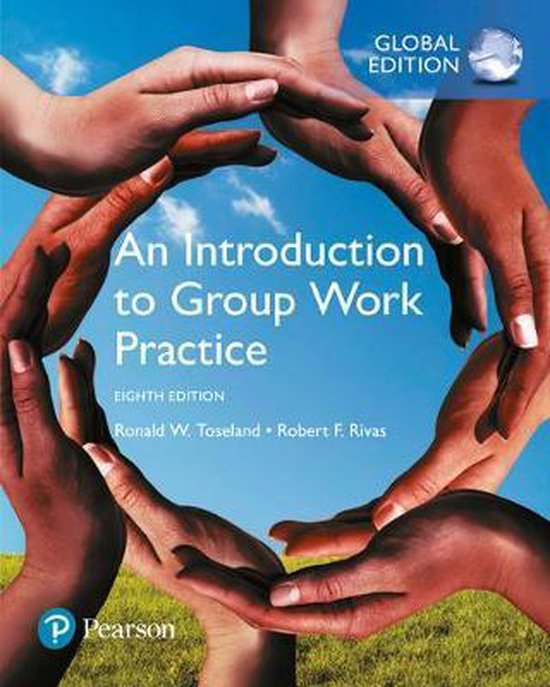
affect a broader constituency, not just the members of the group (Toseland & Rivas, 2022. p. 29). In
contrast, this group’s primary purpose is to meet the socio-emotional needs of the members by
preparing them for a difficult personal process (disclosure to their children). The group aims to
provide support, enhance coping abilities, and address members' personal feelings of fear and stigma,
which aligns with the definition of a treatment group, specifically a support or psychoeducational
group (BSW3702, Study Guide. p. 4).
1.3. In planning for the above group, would you opt for an open group? Motivate your answer.
No, I would opt for a closed group for this specific intervention.
A closed group means that once the group begins, no new members are added (BSW3702, Study
Guide. p. 64-65). This is the most appropriate choice for the following reasons:
Building Trust and Cohesion: The topic of HIV disclosure is highly sensitive and stigmatizing.
A closed group allows members to develop the deep trust, cohesion, and safety necessary to
share their fears and vulnerabilities, which is more difficult to achieve when new members
frequently enter and disrupt the established dynamic (BSW3702, Study Guide. p. 64).
Structured and Sequential Content: The group will likely follow a structured, time-limited
psychoeducational curriculum (e.g., preparing for disclosure over 6-8 sessions). A closed
membership ensures all members receive the same foundational information in the correct
order, which would be challenging with an open, rolling admissions model.
Focused Goal Achievement: As this is a treatment group focused on a specific outcome
(preparing for disclosure), a closed group allows members to progress through the stages of
development together without the regression that can occur when integrating new members
(Toseland & Rivas, 2022. p. 202-203).
QUESTION 1
1.1. Describe the recruitment method that you would use to recruit members.
The recruitment method I would use is contacting potential members directly through interviews and
phone calls (BSW3702, Study Guide. p. 68). Since the target population is parents and caregivers of
children and adolescents living with HIV who attend the local clinic, I would access the clinic's
patient records to identify them. I would then make direct telephone calls to arrange individual
interviews, explaining the purpose of the group and assessing their interest in joining.
1.2. Do you think the above group will be a task group? Motivate your answer.
No, the above group will not be a task group.
A task group’s primary purpose is to accomplish a specific goal, task, or produce a product that will
affect a broader constituency, not just the members of the group (Toseland & Rivas, 2022. p. 29). In
contrast, this group’s primary purpose is to meet the socio-emotional needs of the members by
preparing them for a difficult personal process (disclosure to their children). The group aims to
provide support, enhance coping abilities, and address members' personal feelings of fear and stigma,
which aligns with the definition of a treatment group, specifically a support or psychoeducational
group (BSW3702, Study Guide. p. 4).
1.3. In planning for the above group, would you opt for an open group? Motivate your answer.
No, I would opt for a closed group for this specific intervention.
A closed group means that once the group begins, no new members are added (BSW3702, Study
Guide. p. 64-65). This is the most appropriate choice for the following reasons:
Building Trust and Cohesion: The topic of HIV disclosure is highly sensitive and stigmatizing.
A closed group allows members to develop the deep trust, cohesion, and safety necessary to
share their fears and vulnerabilities, which is more difficult to achieve when new members
frequently enter and disrupt the established dynamic (BSW3702, Study Guide. p. 64).
Structured and Sequential Content: The group will likely follow a structured, time-limited
psychoeducational curriculum (e.g., preparing for disclosure over 6-8 sessions). A closed
membership ensures all members receive the same foundational information in the correct
order, which would be challenging with an open, rolling admissions model.
Focused Goal Achievement: As this is a treatment group focused on a specific outcome
(preparing for disclosure), a closed group allows members to progress through the stages of
development together without the regression that can occur when integrating new members
(Toseland & Rivas, 2022. p. 202-203).