

CHAPTER 3: UNIT OUTCOMES
1.Give an exposition on the functioning of the South African criminal justice system. (NB)
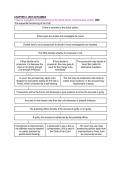
The sequential functioning of the CJS:
Crime is reported to the police station.
↓
Police open the docket and investigate the crime.
↓
Docket sent to court (prosecutor to decide if more investigations are needed).
↓
The NPA decides whether to prosecute or not.
↓ ↓ ↓
If they decide not to If they decide to The prosecutor may decide to
prosecute, it is because the prosecute, the case goes to divert the matter for
case is not strong enough court for the charge to be alternative resolution.
(not enough evidence). formalised.
↓ ↓↓ →
In court, the accused may apply to be The trial may be postponed a few times to
released on bail (while waiting for the trial to collect more evidence, or the accused may
finish); which is followed by a bail hearing. require/want a lawyer.
↓
Prosecutors will be the first to call witnesses to give evidence to prove the accused is guilty.
↓
Accused or their lawyer may then also call witnesses or present evidence.
↓
The presiding officer decides if the accused is guilty or not guilty.
↓
If guilty, the accused is sentenced by the presiding officer.
↓ ↓ ↓
If sentenced to imprisonment, If sentenced to pay a fine or The court may use other
the offender may be released compensation, this is paid to sentencing options apart from
on parole (decided by the Clerk of the Court. imprisonment or fines, such
parole-board hearing). as community service.
,2.Provide an overview of the South African criminal justice system.
At the dawn of the democratic dispensation in South Africa in 1994, the Justice, Crime
Prevention and Security (JCPS) cluster was established. (NB)
The following departments make up the JCPS cluster:
SAPS:The South African Police Service.
DoJ&CD: The Department of Justice and Constitutional Development.
NPA: The National Prosecuting Authority.
DCS: The Department of Correctional Services.
DHA: The Department of Home Affairs.
SSA: The Defence and Military Veterans and State Security Agency.
The SAPS, DoJ&CD and DCS encompass the core of the CJS. The SAPS is mandated to
investigate and prevent criminal acts and arrest suspects; the main focus of the DoJ&CD is the
management of the court system with the NPA focusing on the prosecution of suspects; and the
DCS incarcerates sentenced offenders in correctional centres and aims towards the
rehabilitation of all inmates.
3.List the responsibilities of the South African Police Service. (NB)
-Preventing, combating and investigating crime.
-Protecting and securing South Africans and their property.
-Upholding and enforcing the law.
-Maintaining public order.
4.Describe the vision and mission of the SAPS. (NB)
The vision of the SAPS is to create a safe and secure environment for all people of South Africa
and their mission is to:
-Protect and combat crime that may threaten the safety and security of the community.
-Participate in efforts to address the causes of crime.
-Ensure that offenders are brought to justice.
-Investigate crime.
5.List the values of the SAPS. (NB)
-Protect the rights of all South Africans.
-To be impartial, respectful and accountable to the community.
-Provide a service with honesty and integrity.
-Use its powers in a responsible way.
-Evaluate its service continually.
-Use the resources provided by the government in the best possible way.
-Continually develop the skills of its members.
-Cooperate with the community, government and all role-players.
, 6.Discuss the different divisions in the SAPS.
Crime intelligence:
The purpose of this division is to effectively manage the crime intelligence capacity of the SAPS
through the crime information analysis centre and crime information management centre, as
well as to be involved in counter intelligence, crime intelligence in support of the prevention,
combating and investigation of crime and to prevent and fight crime through international
cooperation.
Visible policing: (NB)
This division aims to combat crime by providing visible, proactive, and responsive police
services. Its main components include proactive policing through the management of crime
prevention operations, police safety, and rural safety; rapid rail and police emergency services,
which handle emergency and response operations; and firearms, liquor, and second-hand
goods services, which oversee the Central Firearms Register, firearm compliance and
enforcement, as well as liquor and second-hand goods control. In addition, the division focuses
on social crime prevention through awareness programmes and campaigns, the management of
crimes against vulnerable groups, and initiatives addressing sexual offences, human trafficking,
domestic violence, and victim empowerment.
Detective service: (NB)
The purpose of this division is to effectively manage the investigative work of the SAPS, by
providing support to the investigators in terms of forensic evidence and the Criminal Record
Centre.
The detective service division consists of four sub-divisions:
-Criminal Record Centre: manages criminal records.
-Forensic Science Laboratory: provides support to investigators in respect of evidence.
-Crime investigations: accommodates detectives at police stations who investigate organised
crime, serious and violent crime, general crime and commercial crime.
-Specialised Investigations: prevent, combat and investigate national priority crimes, such as
organised crime.
Protection and security services: (NB)
The aim of protection and security services is to protect prominent foreign and local dignitaries.
This division consists of three sub-divisions:
-Government Security Regulator: regulates security in the public sector.
-VIP protection services: protection of the president, deputy president, former presidents, and
their spouses and other identified VIPs while in transit.
-Static and mobile security: protection of other local and foreign VIPs, the places in which all
VIPs are present, as well as valuable government cargo.
1.Give an exposition on the functioning of the South African criminal justice system. (NB)
The sequential functioning of the CJS:
Crime is reported to the police station.
↓
Police open the docket and investigate the crime.
↓
Docket sent to court (prosecutor to decide if more investigations are needed).
↓
The NPA decides whether to prosecute or not.
↓ ↓ ↓
If they decide not to If they decide to The prosecutor may decide to
prosecute, it is because the prosecute, the case goes to divert the matter for
case is not strong enough court for the charge to be alternative resolution.
(not enough evidence). formalised.
↓ ↓↓ →
In court, the accused may apply to be The trial may be postponed a few times to
released on bail (while waiting for the trial to collect more evidence, or the accused may
finish); which is followed by a bail hearing. require/want a lawyer.
↓
Prosecutors will be the first to call witnesses to give evidence to prove the accused is guilty.
↓
Accused or their lawyer may then also call witnesses or present evidence.
↓
The presiding officer decides if the accused is guilty or not guilty.
↓
If guilty, the accused is sentenced by the presiding officer.
↓ ↓ ↓
If sentenced to imprisonment, If sentenced to pay a fine or The court may use other
the offender may be released compensation, this is paid to sentencing options apart from
on parole (decided by the Clerk of the Court. imprisonment or fines, such
parole-board hearing). as community service.
,2.Provide an overview of the South African criminal justice system.
At the dawn of the democratic dispensation in South Africa in 1994, the Justice, Crime
Prevention and Security (JCPS) cluster was established. (NB)
The following departments make up the JCPS cluster:
SAPS:The South African Police Service.
DoJ&CD: The Department of Justice and Constitutional Development.
NPA: The National Prosecuting Authority.
DCS: The Department of Correctional Services.
DHA: The Department of Home Affairs.
SSA: The Defence and Military Veterans and State Security Agency.
The SAPS, DoJ&CD and DCS encompass the core of the CJS. The SAPS is mandated to
investigate and prevent criminal acts and arrest suspects; the main focus of the DoJ&CD is the
management of the court system with the NPA focusing on the prosecution of suspects; and the
DCS incarcerates sentenced offenders in correctional centres and aims towards the
rehabilitation of all inmates.
3.List the responsibilities of the South African Police Service. (NB)
-Preventing, combating and investigating crime.
-Protecting and securing South Africans and their property.
-Upholding and enforcing the law.
-Maintaining public order.
4.Describe the vision and mission of the SAPS. (NB)
The vision of the SAPS is to create a safe and secure environment for all people of South Africa
and their mission is to:
-Protect and combat crime that may threaten the safety and security of the community.
-Participate in efforts to address the causes of crime.
-Ensure that offenders are brought to justice.
-Investigate crime.
5.List the values of the SAPS. (NB)
-Protect the rights of all South Africans.
-To be impartial, respectful and accountable to the community.
-Provide a service with honesty and integrity.
-Use its powers in a responsible way.
-Evaluate its service continually.
-Use the resources provided by the government in the best possible way.
-Continually develop the skills of its members.
-Cooperate with the community, government and all role-players.
, 6.Discuss the different divisions in the SAPS.
Crime intelligence:
The purpose of this division is to effectively manage the crime intelligence capacity of the SAPS
through the crime information analysis centre and crime information management centre, as
well as to be involved in counter intelligence, crime intelligence in support of the prevention,
combating and investigation of crime and to prevent and fight crime through international
cooperation.
Visible policing: (NB)
This division aims to combat crime by providing visible, proactive, and responsive police
services. Its main components include proactive policing through the management of crime
prevention operations, police safety, and rural safety; rapid rail and police emergency services,
which handle emergency and response operations; and firearms, liquor, and second-hand
goods services, which oversee the Central Firearms Register, firearm compliance and
enforcement, as well as liquor and second-hand goods control. In addition, the division focuses
on social crime prevention through awareness programmes and campaigns, the management of
crimes against vulnerable groups, and initiatives addressing sexual offences, human trafficking,
domestic violence, and victim empowerment.
Detective service: (NB)
The purpose of this division is to effectively manage the investigative work of the SAPS, by
providing support to the investigators in terms of forensic evidence and the Criminal Record
Centre.
The detective service division consists of four sub-divisions:
-Criminal Record Centre: manages criminal records.
-Forensic Science Laboratory: provides support to investigators in respect of evidence.
-Crime investigations: accommodates detectives at police stations who investigate organised
crime, serious and violent crime, general crime and commercial crime.
-Specialised Investigations: prevent, combat and investigate national priority crimes, such as
organised crime.
Protection and security services: (NB)
The aim of protection and security services is to protect prominent foreign and local dignitaries.
This division consists of three sub-divisions:
-Government Security Regulator: regulates security in the public sector.
-VIP protection services: protection of the president, deputy president, former presidents, and
their spouses and other identified VIPs while in transit.
-Static and mobile security: protection of other local and foreign VIPs, the places in which all
VIPs are present, as well as valuable government cargo.


