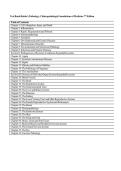
Test Bank Rubin's Pathology: Clinicopathologic Foundations of Medicine 7th Edition
vr vr vr vr vr vr vr vr vr
Table of Contents:
vr vr
Chapter 1: Cell Adaptation, Injury and Death
vr vr vr vr vr vr
Chapter 2: Inflammation
vr vr
Chapter 3: Repair, Regeneration and Fibrosis
vr vr vr vr vr
Chapter 4: Immunopathology
vr vr
Chapter 5: Neoplasia
vr vr
Chapter 6: Developmental and Genetic Diseases
vr vr vr vr vr
Chapter 7: Hemodynamic Disorders
vr vr vr
Chapter 8: Environmental and Nutritional Pathology
vr vr vr vr vr
Chapter 9: Infectious and Parasitic Diseases
vr vr vr vr vr
Section II: Pathogenesis of Systemic Conditions Expandable section
vr vr vr vr vr vr vr
Chapter 10: Aging vr vr
Chapter 11: Systemic Autoimmune Diseases
vr vr vr vr
Chapter 12: Sepsis vr vr
Chapter 13: Obesity and Diabetes Mellitus
vr vr vr vr vr
Chapter 14: The Pathology of Pregnancy
vr vr vr vr vr
Chapter 15: The Amyloidoses
vr vr vr
Section III: Diseases of Individual Organ SystemsExpandable section
vr vr vr vr vr vr vr
Chapter 16: Blood Vessels
vr vr vr
Chapter 17: The Heart
vr vr vr
Chapter 18: The Respiratory System
vr vr vr vr
Chapter 19: The Gastrointestinal Tract
vr vr vr vr
Chapter 20: The Liver and Biliary System
vr vr vr vr vr vr
Chapter 21: The Pancreas
vr vr vr
Chapter 22: The Kidney
vr vr vr
Chapter 23: The Lower Urinary Tract and Male Reproductive System
vr vr vr vr vr vr vr vr vr
Chapter 24: The Female Reproductive System and Peritoneum
vr vr vr vr vr vr vr
Chapter 25: The Breast
vr vr vr
Chapter 26: Hematopathology
vr vr
Chapter 27: The Endocrine System
vr vr vr vr
Chapter 28: The Skin
vr vr vr
Chapter 29: The Head and Neck
vr vr vr vr vr
Chapter 30: Bones, Joints and Soft Tissue
vr vr vr vr vr vr
Chapter 31: Skeletal Muscle and Peripheral Nervous System
vr vr vr vr vr vr vr
Chapter 32: The Central Nervous System
vr vr vr vr vr
Chapter 33: The Eyevr vr vr
Chapter 34: Forensic Pathology
vr vr vr
,Rubin's Pathology: Clinicopathologic Foundations of
vr vr vr vr
MedicineChapter 1: Cell Adaptation, Injury and Death
vr vr vr vr vr vr vr
Ischemia and other toxic injuries increase the accumulation of intracellular calcium as a result
vr vr vr vr vr vr vr vr vr vr vr vr vr
1. of:
A) release of stored calcium from the mitochondria.
vr vr vr vr vr vr
B) improved intracellular volume regulation. vr vr vr
C) decreased influx across the cell membrane. vr vr vr vr vr
D) attraction of calcium to fatty infiltrates. vr vr vr vr vr
The patient is found to have liver disease, resulting in the removal of a lobe of his liver.
vr vr vr vr vr vr vr vr vr vr vr vr vr vr vr vr vr
2. Adaptation to the reduced size of the liver leads to _ vr ofthe remaining liver cells.
vr vr vr vr vr vr vr vr vr vr vr vr vr
A) metaplasia
B) organ atrophy vr
C) compensatory hyperplasia vr
D) physiologic hypertrophy vr
A person eating peanuts starts choking and collapses. His airway obstruction is partially cleared,
vr vr vr vr vr vr vr vr vr vr vr vr vr
but he remains hypoxic until he reaches the hospital. The prolonged cell hypoxia
vr vr vr vr vr vr vr vr vr vr vr vr vr
3. caused a cerebral infarction and resulting
vr vr _ in the brain. vr vr vr vr vr vr
A) caspase activation vr
B) coagulation necrosis vr
C) rapid phagocytosis vr
D) protein p53 deficiency vr vr
Bacteria and viruses cause cell damage by
vr vr vr vr vr vr , which is unique from the intracellular
vr vr vr vr vr vr
4. damage caused by other injurious agents.
vr vr vr vr vr
A) disrupting the sodium/potassium ATPase pump vr vr vr vr
B) interrupting oxidative metabolism processes vr vr vr
C) replicating and producing continued injury vr vr vr vr
D) decreasing protein synthesis and function vr vr vr vr
The patient has a prolonged interruption in arterial blood flow to his left kidney, causing
vr vr vr vr vr vr vr vr vr vr vr vr vr vr
5. hypoxic cell injury and the release of free radicals. Free radicals damage cells by:
vr vr vr vr vr vr vr vr vr vr vr vr vr
A) destroying phospholipids in the cell membrane. vr vr vr vr vr
B) altering the immune response of the cell. vr vr vr vr vr vr
C) disrupting calcium storage in the cell. vr vr vr vr vr
D) inactivation of enzymes and mitochondria. vr vr vr vr
,6. Injured cells have impaired flow of substances through the cell membrane as a result of:
vr vr vr vr vr vr vr vr vr vr vr vr vr vr
A) increased fat load. vr vr
B) altered permeability. vr
C) altered glucose utilization. vr vr
D) increased surface receptors. vr vr
7. Reversible adaptive intracellular responses are initiated by:vr vr vr vr vr vr
A) stimulus overload. vr
B) genetic mutations. vr
C) chemical messengers. vr
D) mitochondrial DNA. vr
8. Injured cells become very swollen as a result of:
vr vr vr vr vr vr vr vr
A) increased cell protein synthesis. vr vr vr
B) altered cell volume regulation. vr vr vr
C) passive entry of potassium into the cell. vr vr vr vr vr vr
D) bleb formation in the plasma membrane.
vr vr vr vr vr
A diabetic patient has impaired sensation, circulation, and oxygenation of his feet. He steps on a
vr vr vr vr vr vr vr vr vr vr vr vr vr vr vr
piece of glass, the wound does not heal, and the area tissue becomes necrotic. The necrotic
vr vr vr vr vr vr vr vr vr vr vr vr vr vr vr vr
9. cell death is characterized by:
vr vr vr vr
A) rapid apoptosis. vr
B) cellular rupture. vr
C) shrinkage and collapse. vr vr
D) chronic inflammation. vr
A 99-year-old woman has experienced the decline of cell function associated with age. A
vr vr vr vr vr vr vr vr vr vr vr vr vr
10. group of theories of cellular aging focus on programmed:
vr vr vr vr vr vr vr vr
A) changes with genetic influences. vr vr vr
B) elimination of cell receptor sites. vr vr vr vr
C) insufficient telomerase enzyme. vr vr
D) DNA mutation or faulty repair. vr vr vr vr
An 89-year-old female patient has experienced significant decreases in her mobility and
vr vr vr vr vr vr vr vr vr vr vr
stamina during a 3-week hospital stay for the treatment of a femoral head fracture. Which of the
vr vr vr vr vr vr vr vr vr vr vr vr vr vr vr vr vr
following phenomena most likely accounts for the patients decrease in muscle function
vr vr vr vr vr vr vr vr vr vr vr vr
11. that underlies her reduced mobility?
vr vr vr vr
A) Impaired muscle cell metabolism resulting from metaplasia vr vr vr vr vr vr
B) Dysplasia as a consequence of inflammation during bone remodeling vr vr vr vr vr vr vr vr
C) Disuse atrophy of muscle cells during a prolonged period of immobility
vr vr vr vr vr vr vr vr vr vr
, D) Ischemic atrophy resulting from vascular changes while on bedrest vr vr vr vr vr vr vr vr
A20-year-old college student has presented to her campus medical clinic for a scheduled Papanicolaou
vr vr vr vr vr vr vr vr vr vr vr vr vr vr
(Pap) smear. The clinician who will interpret the smear will examine cell
vr vr vr vr vr vr vr vr vr vr vr vr
12. samples for evidence of: vr vr vr
A) changes in cell shape, size, and organization. vr vr vr vr vr vr
B) the presence of unexpected cell types.
vr vr vr vr vr
C) ischemic changes in cell samples. vr vr vr vr
D) abnormally high numbers of cells in a specified field. vr vr vr vr vr vr vr vr
Which of the following pathophysiologic processes is most likely to result in metastatic
vr vr vr vr vr vr vr vr vr vr vr vr
13. calcification?
A) Benign prostatic hyperplasia vr vr
B) Liver cirrhosis vr
C) Impaired glycogen metabolism vr vr
D) Hyperparathyroidism
Despite the low levels of radiation used in contemporary radiologic imaging, a radiology
vr vr vr vr vr vr vr vr vr vr vr vr
technician is aware of the need to minimize her exposure to ionizing radiation. What is the
vr vr vr vr vr vr vr vr vr vr vr vr vr vr vr vr
14. primaryrationale for the technicians precautions?
vr vr vr vr vr
A) Radiation stimulates pathologic cell hypertrophy and hyperplasia. vr vr vr vr vr vr
B) Radiation results in the accumulation of endogenous waste products in the cytoplasm. vr vr vr vr vr vr vr vr vr vr vr
C) Radiation interferes with DNA synthesis and mitosis. vr vr vr vr vr vr
D) Radiation decreases the action potential of rapidly dividing cells. vr vr vr vr vr vr vr vr
The parents of a 4-year-old girl have sought care because their daughter has admitted to chewing
vr vr vr vr vr vr vr vr vr vr vr vr vr vr vr
and swallowing imported toy figurines that have been determined to be made of lead.
vr vr vr vr vr vr vr vr vr vr vr vr vr vr
15. Which of the following blood tests should the care team prioritize?
vr vr vr vr vr vr vr vr vr vr
A) White blood cell levels with differential vr vr vr vr vr
B) Red blood cell levels and morphology
vr vr vr vr vr
C) Urea and creatinine levels vr vr vr
D) Liver function panel vr vr
A 70-year-old male patient has been admitted to a hospital for the treatment of a recent
vr vr vr vr vr vr vr vr vr vr vr vr vr vr vr
hemorrhagic stroke that has left him with numerous motor and sensory deficits. These deficits
vr vr vr vr vr vr vr vr vr vr vr vr vr vr
16. are most likely the result of which of the following mechanisms of cell injury?
vr vr vr vr vr vr vr vr vr vr vr vr vr
A) Free radical injury vr vr
B) Hypoxia and ATP depletion vr vr vr
C) Interference with DNA synthesis vr vr vr
D) Impaired calcium homeostasis vr vr
vr vr vr vr vr vr vr vr vr
Table of Contents:
vr vr
Chapter 1: Cell Adaptation, Injury and Death
vr vr vr vr vr vr
Chapter 2: Inflammation
vr vr
Chapter 3: Repair, Regeneration and Fibrosis
vr vr vr vr vr
Chapter 4: Immunopathology
vr vr
Chapter 5: Neoplasia
vr vr
Chapter 6: Developmental and Genetic Diseases
vr vr vr vr vr
Chapter 7: Hemodynamic Disorders
vr vr vr
Chapter 8: Environmental and Nutritional Pathology
vr vr vr vr vr
Chapter 9: Infectious and Parasitic Diseases
vr vr vr vr vr
Section II: Pathogenesis of Systemic Conditions Expandable section
vr vr vr vr vr vr vr
Chapter 10: Aging vr vr
Chapter 11: Systemic Autoimmune Diseases
vr vr vr vr
Chapter 12: Sepsis vr vr
Chapter 13: Obesity and Diabetes Mellitus
vr vr vr vr vr
Chapter 14: The Pathology of Pregnancy
vr vr vr vr vr
Chapter 15: The Amyloidoses
vr vr vr
Section III: Diseases of Individual Organ SystemsExpandable section
vr vr vr vr vr vr vr
Chapter 16: Blood Vessels
vr vr vr
Chapter 17: The Heart
vr vr vr
Chapter 18: The Respiratory System
vr vr vr vr
Chapter 19: The Gastrointestinal Tract
vr vr vr vr
Chapter 20: The Liver and Biliary System
vr vr vr vr vr vr
Chapter 21: The Pancreas
vr vr vr
Chapter 22: The Kidney
vr vr vr
Chapter 23: The Lower Urinary Tract and Male Reproductive System
vr vr vr vr vr vr vr vr vr
Chapter 24: The Female Reproductive System and Peritoneum
vr vr vr vr vr vr vr
Chapter 25: The Breast
vr vr vr
Chapter 26: Hematopathology
vr vr
Chapter 27: The Endocrine System
vr vr vr vr
Chapter 28: The Skin
vr vr vr
Chapter 29: The Head and Neck
vr vr vr vr vr
Chapter 30: Bones, Joints and Soft Tissue
vr vr vr vr vr vr
Chapter 31: Skeletal Muscle and Peripheral Nervous System
vr vr vr vr vr vr vr
Chapter 32: The Central Nervous System
vr vr vr vr vr
Chapter 33: The Eyevr vr vr
Chapter 34: Forensic Pathology
vr vr vr
,Rubin's Pathology: Clinicopathologic Foundations of
vr vr vr vr
MedicineChapter 1: Cell Adaptation, Injury and Death
vr vr vr vr vr vr vr
Ischemia and other toxic injuries increase the accumulation of intracellular calcium as a result
vr vr vr vr vr vr vr vr vr vr vr vr vr
1. of:
A) release of stored calcium from the mitochondria.
vr vr vr vr vr vr
B) improved intracellular volume regulation. vr vr vr
C) decreased influx across the cell membrane. vr vr vr vr vr
D) attraction of calcium to fatty infiltrates. vr vr vr vr vr
The patient is found to have liver disease, resulting in the removal of a lobe of his liver.
vr vr vr vr vr vr vr vr vr vr vr vr vr vr vr vr vr
2. Adaptation to the reduced size of the liver leads to _ vr ofthe remaining liver cells.
vr vr vr vr vr vr vr vr vr vr vr vr vr
A) metaplasia
B) organ atrophy vr
C) compensatory hyperplasia vr
D) physiologic hypertrophy vr
A person eating peanuts starts choking and collapses. His airway obstruction is partially cleared,
vr vr vr vr vr vr vr vr vr vr vr vr vr
but he remains hypoxic until he reaches the hospital. The prolonged cell hypoxia
vr vr vr vr vr vr vr vr vr vr vr vr vr
3. caused a cerebral infarction and resulting
vr vr _ in the brain. vr vr vr vr vr vr
A) caspase activation vr
B) coagulation necrosis vr
C) rapid phagocytosis vr
D) protein p53 deficiency vr vr
Bacteria and viruses cause cell damage by
vr vr vr vr vr vr , which is unique from the intracellular
vr vr vr vr vr vr
4. damage caused by other injurious agents.
vr vr vr vr vr
A) disrupting the sodium/potassium ATPase pump vr vr vr vr
B) interrupting oxidative metabolism processes vr vr vr
C) replicating and producing continued injury vr vr vr vr
D) decreasing protein synthesis and function vr vr vr vr
The patient has a prolonged interruption in arterial blood flow to his left kidney, causing
vr vr vr vr vr vr vr vr vr vr vr vr vr vr
5. hypoxic cell injury and the release of free radicals. Free radicals damage cells by:
vr vr vr vr vr vr vr vr vr vr vr vr vr
A) destroying phospholipids in the cell membrane. vr vr vr vr vr
B) altering the immune response of the cell. vr vr vr vr vr vr
C) disrupting calcium storage in the cell. vr vr vr vr vr
D) inactivation of enzymes and mitochondria. vr vr vr vr
,6. Injured cells have impaired flow of substances through the cell membrane as a result of:
vr vr vr vr vr vr vr vr vr vr vr vr vr vr
A) increased fat load. vr vr
B) altered permeability. vr
C) altered glucose utilization. vr vr
D) increased surface receptors. vr vr
7. Reversible adaptive intracellular responses are initiated by:vr vr vr vr vr vr
A) stimulus overload. vr
B) genetic mutations. vr
C) chemical messengers. vr
D) mitochondrial DNA. vr
8. Injured cells become very swollen as a result of:
vr vr vr vr vr vr vr vr
A) increased cell protein synthesis. vr vr vr
B) altered cell volume regulation. vr vr vr
C) passive entry of potassium into the cell. vr vr vr vr vr vr
D) bleb formation in the plasma membrane.
vr vr vr vr vr
A diabetic patient has impaired sensation, circulation, and oxygenation of his feet. He steps on a
vr vr vr vr vr vr vr vr vr vr vr vr vr vr vr
piece of glass, the wound does not heal, and the area tissue becomes necrotic. The necrotic
vr vr vr vr vr vr vr vr vr vr vr vr vr vr vr vr
9. cell death is characterized by:
vr vr vr vr
A) rapid apoptosis. vr
B) cellular rupture. vr
C) shrinkage and collapse. vr vr
D) chronic inflammation. vr
A 99-year-old woman has experienced the decline of cell function associated with age. A
vr vr vr vr vr vr vr vr vr vr vr vr vr
10. group of theories of cellular aging focus on programmed:
vr vr vr vr vr vr vr vr
A) changes with genetic influences. vr vr vr
B) elimination of cell receptor sites. vr vr vr vr
C) insufficient telomerase enzyme. vr vr
D) DNA mutation or faulty repair. vr vr vr vr
An 89-year-old female patient has experienced significant decreases in her mobility and
vr vr vr vr vr vr vr vr vr vr vr
stamina during a 3-week hospital stay for the treatment of a femoral head fracture. Which of the
vr vr vr vr vr vr vr vr vr vr vr vr vr vr vr vr vr
following phenomena most likely accounts for the patients decrease in muscle function
vr vr vr vr vr vr vr vr vr vr vr vr
11. that underlies her reduced mobility?
vr vr vr vr
A) Impaired muscle cell metabolism resulting from metaplasia vr vr vr vr vr vr
B) Dysplasia as a consequence of inflammation during bone remodeling vr vr vr vr vr vr vr vr
C) Disuse atrophy of muscle cells during a prolonged period of immobility
vr vr vr vr vr vr vr vr vr vr
, D) Ischemic atrophy resulting from vascular changes while on bedrest vr vr vr vr vr vr vr vr
A20-year-old college student has presented to her campus medical clinic for a scheduled Papanicolaou
vr vr vr vr vr vr vr vr vr vr vr vr vr vr
(Pap) smear. The clinician who will interpret the smear will examine cell
vr vr vr vr vr vr vr vr vr vr vr vr
12. samples for evidence of: vr vr vr
A) changes in cell shape, size, and organization. vr vr vr vr vr vr
B) the presence of unexpected cell types.
vr vr vr vr vr
C) ischemic changes in cell samples. vr vr vr vr
D) abnormally high numbers of cells in a specified field. vr vr vr vr vr vr vr vr
Which of the following pathophysiologic processes is most likely to result in metastatic
vr vr vr vr vr vr vr vr vr vr vr vr
13. calcification?
A) Benign prostatic hyperplasia vr vr
B) Liver cirrhosis vr
C) Impaired glycogen metabolism vr vr
D) Hyperparathyroidism
Despite the low levels of radiation used in contemporary radiologic imaging, a radiology
vr vr vr vr vr vr vr vr vr vr vr vr
technician is aware of the need to minimize her exposure to ionizing radiation. What is the
vr vr vr vr vr vr vr vr vr vr vr vr vr vr vr vr
14. primaryrationale for the technicians precautions?
vr vr vr vr vr
A) Radiation stimulates pathologic cell hypertrophy and hyperplasia. vr vr vr vr vr vr
B) Radiation results in the accumulation of endogenous waste products in the cytoplasm. vr vr vr vr vr vr vr vr vr vr vr
C) Radiation interferes with DNA synthesis and mitosis. vr vr vr vr vr vr
D) Radiation decreases the action potential of rapidly dividing cells. vr vr vr vr vr vr vr vr
The parents of a 4-year-old girl have sought care because their daughter has admitted to chewing
vr vr vr vr vr vr vr vr vr vr vr vr vr vr vr
and swallowing imported toy figurines that have been determined to be made of lead.
vr vr vr vr vr vr vr vr vr vr vr vr vr vr
15. Which of the following blood tests should the care team prioritize?
vr vr vr vr vr vr vr vr vr vr
A) White blood cell levels with differential vr vr vr vr vr
B) Red blood cell levels and morphology
vr vr vr vr vr
C) Urea and creatinine levels vr vr vr
D) Liver function panel vr vr
A 70-year-old male patient has been admitted to a hospital for the treatment of a recent
vr vr vr vr vr vr vr vr vr vr vr vr vr vr vr
hemorrhagic stroke that has left him with numerous motor and sensory deficits. These deficits
vr vr vr vr vr vr vr vr vr vr vr vr vr vr
16. are most likely the result of which of the following mechanisms of cell injury?
vr vr vr vr vr vr vr vr vr vr vr vr vr
A) Free radical injury vr vr
B) Hypoxia and ATP depletion vr vr vr
C) Interference with DNA synthesis vr vr vr
D) Impaired calcium homeostasis vr vr