SOLUTION MANUAL FOR
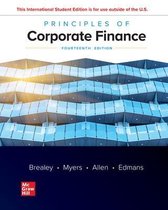
Principles Of Corporate Finance
14th Edition By Richard Brealey, Stewart Myers, ALL
Chapters (1 - 34)
ABLE OF CONTENTS
Chapter 1: Introduction to Corporate Finance
Chapter 2: How to Calculate Present Values
Chapter 3: Valuing Bonds
Chapter 4: Valuing Stocks
Chapter 5: Net Present Value and Other Investment Criteria
Chapter 6: Making Investment Decisions with the Net Present Value Rule
Chapter 7: Introduction to Risk, Diversification, and Portfolio Selection
Chapter 8: The Capital Asset Pricing Model
Chapter 9: Risk and the Cost of Capital
Chapter 10: Project Analysis
Chapter 11: How to Ensure That Projects Truly Have PositiveNPVs
Chapter 12: Efficient Markets and Behavioral Finance
Chapter 13: An Overview of Corporate Financing
Chapter 14: How Corporations Issue Securities
Chapter 15: Payout Policy
Chapter 16: Does Debt Policy Matter?
Chapter 17: How Much Should a Corporation Borrow?
Chapter 18: Financing and Valuation
Chapter 19: Agency Problems and Corporate Governance
Chapter 20: Stakeholder Capitalism and Responsible Business
Chapter 21: Understanding Options
Chapter 22: Valuing Options
Chapter 23: Real Options
,Chapter 24: Credit Risk and the Value of Corporate Debt
Chapter 25: The Many Different Kinds of Debt
Chapter 26: Leasing
Chapter 27: Managing Risk
Chapter 28: International Financial Management
Chapter 29: Financial Analysis
Chapter 30: Financial Planning
Chapter 31: Working Capital Management
Chapter 32: Mergers
Chapter 33: Corporate Restructuring
Chapter 34: Conclusion: What We Do and Do Not Know about Finance
CHAPTER 1
Introduction to Corporate Finance
The values shown in the solutions may be rounded for display purposes. However, the answers werederived using a
spreadsheet without any intermediate rounding.
Answers to Problem Sets
• a. real
• executive airplanes
• brand names
• financial
, • bonds
*f. investment or capital expenditure L L
*g. capital budgeting or investment L L L
h. financing
*Note that f and g are interchangeable in the question.
L L L L L L L L L
Est time: 01-05
L L
• A trademark, a factory, undeveloped land, and your work force (c, d, e, and g) are all real assets.
L L L L L L L L L L L L L L L L L L L
Real assets are identifiable as items with intrinsic value. The others in the list are financial assets,that is, these assets
L L L L L L L L L L L L L L L L L L L L L
derive value because of a contractual claim.
L L L L L L
Est time: 01-05
L L
• a. Financial assets, such as stocks or bank loans, are claims held by investors. Corporations L L L L L L L L L L L L L L
sell financial assets to raise the cash to invest in real assets such as plantand equipment. Some real assets are
L L L L L L L L L L L L L L L L L L L L L
intangible.
• Capital expenditure means investment in real assets. Financing means raising the cashfor this
L L L L L L L L L L L L L L
investment.
• The shares of public corporations are traded on stock exchanges and can be purchasedby a wide
L L L L L L L L L L L L L L L L L
range of investors. The shares of closely held corporations are not publicly traded and are held by a small group of
L L L L L L L L L L L L L L L L L L L L L
private investors. L
• Unlimited liability: Investors are responsible for all the firm‘s debts. A sole proprietor has
L L L L L L L L L L L L L L
unlimited liability. Investors in corporations have limited liability. They can lose their investment, but no more.
L L L L L L L L L L L L L L L
Est time: 01-05
L L
, • Items c and d apply to corporations. Because corporations have perpetual life, ownership can be
L L L L L L L L L L L L L L L
transferred without affecting operations, and managers can be fired with no effect on ownership. Other forms of
L L L L L L L L L L L L L L L L L
business may have unlimited liability and limited life.
L L L L L L L
Est time: 01-05
L L
• Separation of ownership facilitates the key attributes of a corporation, including limited liability for
L L L L L L L L L L L L L L
investors, transferability of ownership, a separate legal personality of the corporation, and delegated centralized
L L L L L L L L L L L L L L
management. These four attributes provide substantial benefit for investors, including the ability to diversify their
L L L L L L L L L L L L L L L
investment among many uncorrelated returns—a very valuable tool explored in later chapters. Also, these attributes
L L L L L L L L L L L L L L L
allow investors to quickly exit,enter, or short sell an investment, thereby generating an active liquid market for
L L L L L L L L L L L L L L L L L L
corporations.
However, these positive aspects also introduce substantial negative externalities as well. The separation of
L L L L L L L L L L L L L L
ownership from management typically leads to agency problems, where managersprefer to consume
L L L L L L L L L L L L L
private perks or make other decisions for their private benefit—rather than maximize shareholder wealth.
L L L L L L L L L L L L L L
Shareholders tend to exercise less oversight of each individual investment as their diversification increases.
L L L L L L L L L L L L L L
Finally, the corporation‘s separate legal personalitymakes it difficult to enforce accountability if they
L L L L L L L L L L L L L L
externalize costs onto society. L L L
Est time: 01-05
L L
• Shareholders will only vote to maximize shareholder wealth. Shareholders can modify their L L L L L L L L L L L L
pattern of consumption through borrowing and lending, match risk preferences, and hopefullybalance their own
L L L L L L L L L L L L L L L
checkbooks (or hire a qualified professional to help them with these tasks).
L L L L L L L L L L L
Est time: 01-05
L L
• If the investment increases the firm‘s wealth, it increases the firm‘s share value. Ms. Espinoza
L L L L L L L L L L L L L L L
could then sell some or all these more valuable shares to provide for her retirement income.
L L L L L L L L L L L L L L L
Est time: 01-05
L L
• a. Assuming that the encabulator market is risky, an 8% expected return on L L L L L L L L L L L L
the F&H encabulator investments may be inferior to a 4% return on U.S.
L L L L L L L L L L L L
government securities, depending on the relative risk between the two assets.
L L L L L L L L L L
Principles Of Corporate Finance
14th Edition By Richard Brealey, Stewart Myers, ALL
Chapters (1 - 34)
ABLE OF CONTENTS
Chapter 1: Introduction to Corporate Finance
Chapter 2: How to Calculate Present Values
Chapter 3: Valuing Bonds
Chapter 4: Valuing Stocks
Chapter 5: Net Present Value and Other Investment Criteria
Chapter 6: Making Investment Decisions with the Net Present Value Rule
Chapter 7: Introduction to Risk, Diversification, and Portfolio Selection
Chapter 8: The Capital Asset Pricing Model
Chapter 9: Risk and the Cost of Capital
Chapter 10: Project Analysis
Chapter 11: How to Ensure That Projects Truly Have PositiveNPVs
Chapter 12: Efficient Markets and Behavioral Finance
Chapter 13: An Overview of Corporate Financing
Chapter 14: How Corporations Issue Securities
Chapter 15: Payout Policy
Chapter 16: Does Debt Policy Matter?
Chapter 17: How Much Should a Corporation Borrow?
Chapter 18: Financing and Valuation
Chapter 19: Agency Problems and Corporate Governance
Chapter 20: Stakeholder Capitalism and Responsible Business
Chapter 21: Understanding Options
Chapter 22: Valuing Options
Chapter 23: Real Options
,Chapter 24: Credit Risk and the Value of Corporate Debt
Chapter 25: The Many Different Kinds of Debt
Chapter 26: Leasing
Chapter 27: Managing Risk
Chapter 28: International Financial Management
Chapter 29: Financial Analysis
Chapter 30: Financial Planning
Chapter 31: Working Capital Management
Chapter 32: Mergers
Chapter 33: Corporate Restructuring
Chapter 34: Conclusion: What We Do and Do Not Know about Finance
CHAPTER 1
Introduction to Corporate Finance
The values shown in the solutions may be rounded for display purposes. However, the answers werederived using a
spreadsheet without any intermediate rounding.
Answers to Problem Sets
• a. real
• executive airplanes
• brand names
• financial
, • bonds
*f. investment or capital expenditure L L
*g. capital budgeting or investment L L L
h. financing
*Note that f and g are interchangeable in the question.
L L L L L L L L L
Est time: 01-05
L L
• A trademark, a factory, undeveloped land, and your work force (c, d, e, and g) are all real assets.
L L L L L L L L L L L L L L L L L L L
Real assets are identifiable as items with intrinsic value. The others in the list are financial assets,that is, these assets
L L L L L L L L L L L L L L L L L L L L L
derive value because of a contractual claim.
L L L L L L
Est time: 01-05
L L
• a. Financial assets, such as stocks or bank loans, are claims held by investors. Corporations L L L L L L L L L L L L L L
sell financial assets to raise the cash to invest in real assets such as plantand equipment. Some real assets are
L L L L L L L L L L L L L L L L L L L L L
intangible.
• Capital expenditure means investment in real assets. Financing means raising the cashfor this
L L L L L L L L L L L L L L
investment.
• The shares of public corporations are traded on stock exchanges and can be purchasedby a wide
L L L L L L L L L L L L L L L L L
range of investors. The shares of closely held corporations are not publicly traded and are held by a small group of
L L L L L L L L L L L L L L L L L L L L L
private investors. L
• Unlimited liability: Investors are responsible for all the firm‘s debts. A sole proprietor has
L L L L L L L L L L L L L L
unlimited liability. Investors in corporations have limited liability. They can lose their investment, but no more.
L L L L L L L L L L L L L L L
Est time: 01-05
L L
, • Items c and d apply to corporations. Because corporations have perpetual life, ownership can be
L L L L L L L L L L L L L L L
transferred without affecting operations, and managers can be fired with no effect on ownership. Other forms of
L L L L L L L L L L L L L L L L L
business may have unlimited liability and limited life.
L L L L L L L
Est time: 01-05
L L
• Separation of ownership facilitates the key attributes of a corporation, including limited liability for
L L L L L L L L L L L L L L
investors, transferability of ownership, a separate legal personality of the corporation, and delegated centralized
L L L L L L L L L L L L L L
management. These four attributes provide substantial benefit for investors, including the ability to diversify their
L L L L L L L L L L L L L L L
investment among many uncorrelated returns—a very valuable tool explored in later chapters. Also, these attributes
L L L L L L L L L L L L L L L
allow investors to quickly exit,enter, or short sell an investment, thereby generating an active liquid market for
L L L L L L L L L L L L L L L L L L
corporations.
However, these positive aspects also introduce substantial negative externalities as well. The separation of
L L L L L L L L L L L L L L
ownership from management typically leads to agency problems, where managersprefer to consume
L L L L L L L L L L L L L
private perks or make other decisions for their private benefit—rather than maximize shareholder wealth.
L L L L L L L L L L L L L L
Shareholders tend to exercise less oversight of each individual investment as their diversification increases.
L L L L L L L L L L L L L L
Finally, the corporation‘s separate legal personalitymakes it difficult to enforce accountability if they
L L L L L L L L L L L L L L
externalize costs onto society. L L L
Est time: 01-05
L L
• Shareholders will only vote to maximize shareholder wealth. Shareholders can modify their L L L L L L L L L L L L
pattern of consumption through borrowing and lending, match risk preferences, and hopefullybalance their own
L L L L L L L L L L L L L L L
checkbooks (or hire a qualified professional to help them with these tasks).
L L L L L L L L L L L
Est time: 01-05
L L
• If the investment increases the firm‘s wealth, it increases the firm‘s share value. Ms. Espinoza
L L L L L L L L L L L L L L L
could then sell some or all these more valuable shares to provide for her retirement income.
L L L L L L L L L L L L L L L
Est time: 01-05
L L
• a. Assuming that the encabulator market is risky, an 8% expected return on L L L L L L L L L L L L
the F&H encabulator investments may be inferior to a 4% return on U.S.
L L L L L L L L L L L L
government securities, depending on the relative risk between the two assets.
L L L L L L L L L L