

Case Study – CKD
Case Study Question 1 of 6
Admission Note
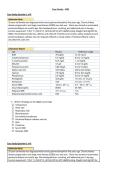
35-year-old female was diagnosed with chronic glomerulonephritis five years ago. Chronic kidney
disease progressed to end stage renal disease (ESRD) over last year. Client was started on automated
peritoneal dialysis six months ago. She developed fever, vomiting, and abdominal pain 1 day ago.
Current assessment: T 39.1 °C, (102.40 F), HR 104, RR 16, B/P 146/88 mmHg. Weight: 66.8 Kg/147 lbs.
NKDA. Periumbilical tenderness, defense and rebound. Erythema and creamy, yellow exudate around
peritoneal dialysis catheter exit site. Dialysate effluent is cloudy yellow. Peritoneal effluent culture
was obtained. Labs sent.
Laboratory Report
Lab Results Reference range
BUN 76 mg/dL 10-20 mg/dL
Creatinine (Serum) 6.7 mg/dL 0.6 to 1.3 mg/dL
C-reactive protein 61.5 mg/L. < 1.0 mg/dL
Albumin 3.7 g/L 3.4 to 5.4 g/dL
Potassium (serum) 5.86 mEq/L 3.5 to 5 mEq/L
Sodium (serum) 144 mEq/L 136 to 145 mEq/L
Calcium 7.9 mg/dL 9.0 to 10.5 mg/dL
Phosphorous 5.4 mg/dL 3.0 to 4.5 mg/dL
Hemoglobin 10.6 g/dL Females:12-16 g/dL
Hematocrit 31% Females: 37-47%
Serum WBC 14.22 × 10³ / μL 4.5 – 10.5 × 10³ / μL
Serum Neutrophils 89.8% 55-70%
Dialysate WBC 483 cells/μL Few
Dialysate polymorphonuclear cells 63% Few
➢ Which 5 findings are the most concerning?
Temperature
Heart rate
Respiratory rate
Blood pressure
Periumbilical tenderness
Peritoneal dialysis catheter exit site
BUN
Creatinine
Serum WBC
Dialysate WBC
Case Study Question 2 of 6
Admission Note
35-year-old female was diagnosed with chronic glomerulonephritis five years ago. Chronic kidney
disease progressed to end stage renal disease (ESRD) over last year. Client was started on automated
peritoneal dialysis six months ago. She developed fever, vomiting, and abdominal pain 1 day ago.
Current assessment: T 39.1 °C, (102.40 F), HR 104, RR 16, B/P 146/88 mmHg. Weight: 66.8 Kg/147 lbs.
, NKDA. Periumbilical tenderness, defense and rebound. Erythema and creamy, yellow exudate around
peritoneal dialysis catheter exit site. Dialysate effluent is cloudy yellow. Peritoneal effluent culture
was obtained. Labs sent.
Laboratory Report
Lab Results Reference range
BUN 76 mg/dL 10-20 mg/dL
Creatinine (Serum) 6.7 mg/dL 0.6 to 1.3 mg/dL
C-reactive protein 61.5 mg/L. < 1.0 mg/dL
Albumin 3.7 g/L 3.4 to 5.4 g/dL
Potassium (serum) 5.86 mEq/L 3.5 to 5 mEq/L
Sodium (serum) 144 mEq/L 136 to 145 mEq/L
Calcium 7.9 mg/dL 9.0 to 10.5 mg/dL
Phosphorous 5.4 mg/dL 3.0 to 4.5 mg/dL
Hemoglobin 10.6 g/dL Females:12-16 g/dL
Hematocrit 31% Females: 37-47%
Serum WBC 14.22 × 10³ / μL 4.5 – 10.5 x × 103 / μL
Serum Neutrophils 89.8% 55-70%
Dialysate WBC 483 cells/μL Few
Dialysate polymorphonuclear cells 63% Few
➢ For each client finding, click to specify if the finding supports the diagnosis of peritonitis or end stage renal
disease (ESRD). Each finding may support more than one condition. Each column must have at least 1 option
selected.
Findings Peritonitis End Stage Renal Disease (ESRD)
BUN 76 mg/dL
Creatinine 6.7 mg/dL
C-reactive protein 61.5 mg/L.
Potassium (serum) 5.86 mEq/L
Phosphorous 5.4 mg/dL
Hemoglobin 10.6 g/dL
WBC 14.22 × 10³ / μL
Neutrophils 89%
Case Study Question 3 of 6
The client is diagnosed with peritonitis.
➢ Drag (select) the most appropriate word(s) from the choices to fill in the blank of the following sentence.
The client is at highest risk for developing
Word Choices:
Abdominal abscess
Cellulitis
Pyelonephritis
Sepsis
Case Study Question 1 of 6
Admission Note
35-year-old female was diagnosed with chronic glomerulonephritis five years ago. Chronic kidney
disease progressed to end stage renal disease (ESRD) over last year. Client was started on automated
peritoneal dialysis six months ago. She developed fever, vomiting, and abdominal pain 1 day ago.
Current assessment: T 39.1 °C, (102.40 F), HR 104, RR 16, B/P 146/88 mmHg. Weight: 66.8 Kg/147 lbs.
NKDA. Periumbilical tenderness, defense and rebound. Erythema and creamy, yellow exudate around
peritoneal dialysis catheter exit site. Dialysate effluent is cloudy yellow. Peritoneal effluent culture
was obtained. Labs sent.
Laboratory Report
Lab Results Reference range
BUN 76 mg/dL 10-20 mg/dL
Creatinine (Serum) 6.7 mg/dL 0.6 to 1.3 mg/dL
C-reactive protein 61.5 mg/L. < 1.0 mg/dL
Albumin 3.7 g/L 3.4 to 5.4 g/dL
Potassium (serum) 5.86 mEq/L 3.5 to 5 mEq/L
Sodium (serum) 144 mEq/L 136 to 145 mEq/L
Calcium 7.9 mg/dL 9.0 to 10.5 mg/dL
Phosphorous 5.4 mg/dL 3.0 to 4.5 mg/dL
Hemoglobin 10.6 g/dL Females:12-16 g/dL
Hematocrit 31% Females: 37-47%
Serum WBC 14.22 × 10³ / μL 4.5 – 10.5 × 10³ / μL
Serum Neutrophils 89.8% 55-70%
Dialysate WBC 483 cells/μL Few
Dialysate polymorphonuclear cells 63% Few
➢ Which 5 findings are the most concerning?
Temperature
Heart rate
Respiratory rate
Blood pressure
Periumbilical tenderness
Peritoneal dialysis catheter exit site
BUN
Creatinine
Serum WBC
Dialysate WBC
Case Study Question 2 of 6
Admission Note
35-year-old female was diagnosed with chronic glomerulonephritis five years ago. Chronic kidney
disease progressed to end stage renal disease (ESRD) over last year. Client was started on automated
peritoneal dialysis six months ago. She developed fever, vomiting, and abdominal pain 1 day ago.
Current assessment: T 39.1 °C, (102.40 F), HR 104, RR 16, B/P 146/88 mmHg. Weight: 66.8 Kg/147 lbs.
, NKDA. Periumbilical tenderness, defense and rebound. Erythema and creamy, yellow exudate around
peritoneal dialysis catheter exit site. Dialysate effluent is cloudy yellow. Peritoneal effluent culture
was obtained. Labs sent.
Laboratory Report
Lab Results Reference range
BUN 76 mg/dL 10-20 mg/dL
Creatinine (Serum) 6.7 mg/dL 0.6 to 1.3 mg/dL
C-reactive protein 61.5 mg/L. < 1.0 mg/dL
Albumin 3.7 g/L 3.4 to 5.4 g/dL
Potassium (serum) 5.86 mEq/L 3.5 to 5 mEq/L
Sodium (serum) 144 mEq/L 136 to 145 mEq/L
Calcium 7.9 mg/dL 9.0 to 10.5 mg/dL
Phosphorous 5.4 mg/dL 3.0 to 4.5 mg/dL
Hemoglobin 10.6 g/dL Females:12-16 g/dL
Hematocrit 31% Females: 37-47%
Serum WBC 14.22 × 10³ / μL 4.5 – 10.5 x × 103 / μL
Serum Neutrophils 89.8% 55-70%
Dialysate WBC 483 cells/μL Few
Dialysate polymorphonuclear cells 63% Few
➢ For each client finding, click to specify if the finding supports the diagnosis of peritonitis or end stage renal
disease (ESRD). Each finding may support more than one condition. Each column must have at least 1 option
selected.
Findings Peritonitis End Stage Renal Disease (ESRD)
BUN 76 mg/dL
Creatinine 6.7 mg/dL
C-reactive protein 61.5 mg/L.
Potassium (serum) 5.86 mEq/L
Phosphorous 5.4 mg/dL
Hemoglobin 10.6 g/dL
WBC 14.22 × 10³ / μL
Neutrophils 89%
Case Study Question 3 of 6
The client is diagnosed with peritonitis.
➢ Drag (select) the most appropriate word(s) from the choices to fill in the blank of the following sentence.
The client is at highest risk for developing
Word Choices:
Abdominal abscess
Cellulitis
Pyelonephritis
Sepsis


