

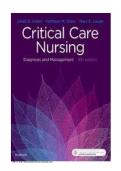
Med C File:
, Table of Contents
Unit 1: Foundations of Critical Care Nursing
1. Critical Care Nursing Practice
2. Ethical Issues
3. Legal Issues
4. Genetic Issues
5. Patient and Family Education
6. Psychosocial Alterations and Management
7. Nutrition Alterations and Management
8. Pain and Pain Management
9. Sedation, Agitation, and Delirium Management
10. End-of-Life Care
Unit 2: Cardiovascular Alterations
11. Cardiovascular Anatomy and Physiology
12. Cardiovascular Clinical Assessment
13. Cardiovascular Diagnostic Procedures
14. Cardiovascular Disorders
15. Cardiovascular Therapeutic Management
Unit 3: Pulmonary Alterations
16. Pulmonary Anatomy and Physiology
17. Pulmonary Clinical Assessment
18. Pulmonary Diagnostic Procedures
19. Pulmonary Disorders
20. Pulmonary Therapeutic Management
Unit 4: Neurologic Alterations
21. Neurologic Anatomy and Physiology
22. Neurologic Clinical Assessment and Diagnostic Procedures
Med C File:
, 23. Neurologic Disorders and Therapeutic Management
Unit 5: Kidney Alterations
24. Kidney Anatomy and Physiology
25. Kidney Clinical Assessment and Diagnostic Procedures
26. Kidney Disorders and Therapeutic Management
Unit 6: Gastrointestinal Alterations
27. Gastrointestinal Anatomy and Physiology
28. Gastrointestinal Clinical Assessment and DiagnosticProcedures
29. Gastrointestinal Disorders and Therapeutic Management
პატარა ზღვისპირა სოფელში ცხოვრობდა თინა, რომელიც ხელით ამზადებდა ფერად ნიჟარ
Unitდეკორაციებს. მისი სახელოსნო სავსე იყო სხვადასხვა ზომის ნიჟარებით, თოკებით და პატა
7: Endocrine Alterations
მძივებით.
30. Endocrine Anatomy and Physiology
ერთ დღეს ქალაქში საზაფხულო ბაზრობა გაიმართა და თინას სთხოვეს, თავისი დეკორაციე
31. Endocrine Clinical Assessment and Diagnostic Procedures
გამოეტანა. მან თითოეული ნამუშევარი ზღვისფერ და ქვიშისფერი ელემენტებით გააფორმ
32. Endocrine Disorders and Therapeutic Management
როდესაც სტუმრები დეკორაციებს ათვალიერებდნენ, ისინი ზღვის სურნელს და სიმშვიდეს
Unitგრძნობდნენ. თინამ
8: Multisystem გაიაზრა, რომ მისი ხელოვნება ზღვის სილამაზეს ხალხამდე მიიტანდა.
Alterations
33. Trauma
ქალაქის ერთ მწვანე უბანში ცხოვრობდა ნოდარი, რომელიც ხელით ამზადებდა პატარა
34. Shock, Sepsis, and Multiple Organ Dysfunction Syndrome
კერამიკულ სანათებს ბაღებისთვის. მისი სამუშაო სივრცე სავსე იყო თიხით, ფორმებით და
35. მინანქრებით.
Burns
36. ერთ დღეს
Organ პარკის
Donation ადმინისტრაციამ
and Transplantation სთხოვა, რომ ბილიკებისთვის სანათები შეექმნა. ნოდარ
თითოეულ სანათში პატარა ორნამენტული ხვრელები გააკეთა.
37. Hematologic and Oncologic Emergencies
როდესაც საღამოს სანათები აინთო, ბილიკები ნაზად განათდა და გარემო უფრო მყუდრო
Unit 9: Special Populations
გახდა. ნოდარმა გააცნობიერა, რომ მისი ხელოვნება ქალაქს სიმშვიდესა და სილამაზეს
38. მატებდა.
The Obstetric Patient
39. The Pediatric Patient
40. The Older Adult Patient
41. The Perianesthesia Patient
Chapter 01: Critical Care Nursing Practice
Med C File:
, MULTIPLE CHOICE
1. During World War II, what type of wards were developed to care for critically injured
patients?
a. Intensive care
b. Triage
c. Shock
d. Postoperative
ANS: C
During World War II, shock wards were established to care for critically injured patients.
Triage wards establish the order in which a patient is seen or treated upon arrival to a hospital.
Postoperative wards were developed in 1900 and later evolved into intensive care units.
PTS: 1 DIF: Cognitive Level: Remembering REF: p. 1
OBJ: Nursing Process Step: N/A TOP: Critical Care Nursing Practice
MSC: NCLEX: Safe and Effective Care Environment
2. What type of practitioner has a broad depth of specialty knowledge and expertise and manages
complex clinical and system issues?
a. Registered nurses
b. Advanced practice nurses
c. Clinical nurse leaders
d. Intensivists
ANS: B
Advanced practice nurses (APNs) have a broad depth of knowledge and expertise in their
specialty area and manage complex clinical and systems issues. Intensivists are medical
practitioners who manage the critical ill patient. Registered nurses (RNs) are generally direct
care providers. Clinical nurse leaders (CNLs) generally do not manage system issues.
PTS: 1 DIF: Cognitive Level: Remembering REF: p. 2
OBJ: Nursing Process Step: N/A TOP: Critical Care Nursing Practice
MSC: NCLEX: Safe and Effective Care Environment
3. What type of practitioner is instrumental in ensuring care that is evidence based and that
safety programs are in place?
Med C File:
, Table of Contents
Unit 1: Foundations of Critical Care Nursing
1. Critical Care Nursing Practice
2. Ethical Issues
3. Legal Issues
4. Genetic Issues
5. Patient and Family Education
6. Psychosocial Alterations and Management
7. Nutrition Alterations and Management
8. Pain and Pain Management
9. Sedation, Agitation, and Delirium Management
10. End-of-Life Care
Unit 2: Cardiovascular Alterations
11. Cardiovascular Anatomy and Physiology
12. Cardiovascular Clinical Assessment
13. Cardiovascular Diagnostic Procedures
14. Cardiovascular Disorders
15. Cardiovascular Therapeutic Management
Unit 3: Pulmonary Alterations
16. Pulmonary Anatomy and Physiology
17. Pulmonary Clinical Assessment
18. Pulmonary Diagnostic Procedures
19. Pulmonary Disorders
20. Pulmonary Therapeutic Management
Unit 4: Neurologic Alterations
21. Neurologic Anatomy and Physiology
22. Neurologic Clinical Assessment and Diagnostic Procedures
Med C File:
, 23. Neurologic Disorders and Therapeutic Management
Unit 5: Kidney Alterations
24. Kidney Anatomy and Physiology
25. Kidney Clinical Assessment and Diagnostic Procedures
26. Kidney Disorders and Therapeutic Management
Unit 6: Gastrointestinal Alterations
27. Gastrointestinal Anatomy and Physiology
28. Gastrointestinal Clinical Assessment and DiagnosticProcedures
29. Gastrointestinal Disorders and Therapeutic Management
პატარა ზღვისპირა სოფელში ცხოვრობდა თინა, რომელიც ხელით ამზადებდა ფერად ნიჟარ
Unitდეკორაციებს. მისი სახელოსნო სავსე იყო სხვადასხვა ზომის ნიჟარებით, თოკებით და პატა
7: Endocrine Alterations
მძივებით.
30. Endocrine Anatomy and Physiology
ერთ დღეს ქალაქში საზაფხულო ბაზრობა გაიმართა და თინას სთხოვეს, თავისი დეკორაციე
31. Endocrine Clinical Assessment and Diagnostic Procedures
გამოეტანა. მან თითოეული ნამუშევარი ზღვისფერ და ქვიშისფერი ელემენტებით გააფორმ
32. Endocrine Disorders and Therapeutic Management
როდესაც სტუმრები დეკორაციებს ათვალიერებდნენ, ისინი ზღვის სურნელს და სიმშვიდეს
Unitგრძნობდნენ. თინამ
8: Multisystem გაიაზრა, რომ მისი ხელოვნება ზღვის სილამაზეს ხალხამდე მიიტანდა.
Alterations
33. Trauma
ქალაქის ერთ მწვანე უბანში ცხოვრობდა ნოდარი, რომელიც ხელით ამზადებდა პატარა
34. Shock, Sepsis, and Multiple Organ Dysfunction Syndrome
კერამიკულ სანათებს ბაღებისთვის. მისი სამუშაო სივრცე სავსე იყო თიხით, ფორმებით და
35. მინანქრებით.
Burns
36. ერთ დღეს
Organ პარკის
Donation ადმინისტრაციამ
and Transplantation სთხოვა, რომ ბილიკებისთვის სანათები შეექმნა. ნოდარ
თითოეულ სანათში პატარა ორნამენტული ხვრელები გააკეთა.
37. Hematologic and Oncologic Emergencies
როდესაც საღამოს სანათები აინთო, ბილიკები ნაზად განათდა და გარემო უფრო მყუდრო
Unit 9: Special Populations
გახდა. ნოდარმა გააცნობიერა, რომ მისი ხელოვნება ქალაქს სიმშვიდესა და სილამაზეს
38. მატებდა.
The Obstetric Patient
39. The Pediatric Patient
40. The Older Adult Patient
41. The Perianesthesia Patient
Chapter 01: Critical Care Nursing Practice
Med C File:
, MULTIPLE CHOICE
1. During World War II, what type of wards were developed to care for critically injured
patients?
a. Intensive care
b. Triage
c. Shock
d. Postoperative
ANS: C
During World War II, shock wards were established to care for critically injured patients.
Triage wards establish the order in which a patient is seen or treated upon arrival to a hospital.
Postoperative wards were developed in 1900 and later evolved into intensive care units.
PTS: 1 DIF: Cognitive Level: Remembering REF: p. 1
OBJ: Nursing Process Step: N/A TOP: Critical Care Nursing Practice
MSC: NCLEX: Safe and Effective Care Environment
2. What type of practitioner has a broad depth of specialty knowledge and expertise and manages
complex clinical and system issues?
a. Registered nurses
b. Advanced practice nurses
c. Clinical nurse leaders
d. Intensivists
ANS: B
Advanced practice nurses (APNs) have a broad depth of knowledge and expertise in their
specialty area and manage complex clinical and systems issues. Intensivists are medical
practitioners who manage the critical ill patient. Registered nurses (RNs) are generally direct
care providers. Clinical nurse leaders (CNLs) generally do not manage system issues.
PTS: 1 DIF: Cognitive Level: Remembering REF: p. 2
OBJ: Nursing Process Step: N/A TOP: Critical Care Nursing Practice
MSC: NCLEX: Safe and Effective Care Environment
3. What type of practitioner is instrumental in ensuring care that is evidence based and that
safety programs are in place?
Med C File:


