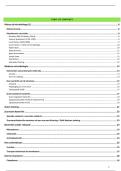
TABLE OF CONTENTS
History of microbiology (1) ..................................................................................................................................... 8
Historical roots ................................................................................................................................................................... 8
Kiemtheorie van ziekte ....................................................................................................................................................... 8
Aristotle (384-322 before Christ) ................................................................................................................................................................. 8
Lazzaro Spallanzani (1729-1799) ................................................................................................................................................................. 8
Louis Pasteur (1822-1895) ........................................................................................................................................................................... 9
Louis Pasteur = Father of microbiology ...................................................................................................................................................... 10
Robert Koch ............................................................................................................................................................................................... 10
Edward Jenner ........................................................................................................................................................................................... 11
Ignaz Semmelweis ..................................................................................................................................................................................... 12
Joseph Lister .............................................................................................................................................................................................. 12
Paul Ehrlich ................................................................................................................................................................................................ 12
Alexander Fleming .................................................................................................................................................................................... 12
Moderne microbiologie........................................................................................................................................ 13
Kenmerken van prokaryote cellen (2)................................................................................................................................ 13
Grootte ...................................................................................................................................................................................................... 13
Vorm en indeling ....................................................................................................................................................................................... 14
Een overzicht van de structuur .......................................................................................................................................... 15
Celwand .................................................................................................................................................................................................... 15
Peptidoglycaan of mureïne ....................................................................................................................................................................... 16
Tetrapeptide (S34): ................................................................................................................................................................................... 17
Gram-positieve bacteriën ................................................................................................................................................. 17
Gram-negatieve bacteriën ........................................................................................................................................................................ 18
Lipopolysachariden of LPS of endotoxine (!).............................................................................................................................................. 19
Lipopolysachariden of LPS ......................................................................................................................................................................... 20
Gram staining ...................................................................................................................................................... 21
Zuurvaste bacteriën ............................................................................................................................................. 22
Speciale celwand = zuurvaste celwand .............................................................................................................................. 22
Zuurvaste bacteriën aantonen via een zuurvast kleuring = Ziehl-Neelsen staining.............................................................. 23
Bacteriën zonder celwand .................................................................................................................................... 23
Mycoplasma ..................................................................................................................................................................... 23
Chlamydia ........................................................................................................................................................................ 24
Archaebacteriën ............................................................................................................................................................... 24
Het celmembraan ................................................................................................................................................ 25
Functies............................................................................................................................................................................ 25
Transport doorheen de membranen ................................................................................................................................. 25
Interne structuren ................................................................................................................................................ 26
Cytoplasma ...................................................................................................................................................................... 26
1
, Ribosomen ....................................................................................................................................................................... 26
Inclusions ......................................................................................................................................................................... 27
Cytoskelet ........................................................................................................................................................................ 27
Endosporen.......................................................................................................................................................... 27
Mechanisme achter endospoor-vorming ................................................................................................................................................. 28
Externe structuren ............................................................................................................................................... 30
Flagella ............................................................................................................................................................................. 30
Axiaal filament ................................................................................................................................................................. 32
Pili en fimbriae ................................................................................................................................................................. 32
Glycocalyx ........................................................................................................................................................................ 33
Biofilms ............................................................................................................................................................... 34
Planktonische cellen......................................................................................................................................................... 35
Stadia van biofilmvorming ................................................................................................................................................ 36
Communicatie .................................................................................................................................................................. 36
Toepassingen ................................................................................................................................................................... 38
Biofilms - overleven als een gemeenschap ........................................................................................................................ 39
Verminderde penetratie van antimicrobiële stoffen ................................................................................................................................ 39
Lager zuurstofgehalte in biofilm ............................................................................................................................................................... 39
Resistance against host defenses............................................................................................................................................................... 41
Persistent .................................................................................................................................................................................................. 41
Detectie van biofilms ................................................................................................................................................................................ 42
Huidige anti-biofilm strategieën ................................................................................................................................................................ 43
Cystic fibrosis (muco) ........................................................................................................................................................ 43
Quorum sensing inhibitors ........................................................................................................................................................................ 43
Concepten van metabolisme (3) ............................................................................................................................ 44
Groei en kweek van bacteriën (4) .......................................................................................................................... 45
Groei en celdeling............................................................................................................................................................. 45
Fases van groei .......................................................................................................................................................................................... 45
Meten van bacteriegroei .................................................................................................................................................. 49
Fysische factoren die de groei beïnvloeden ....................................................................................................................... 50
pH .............................................................................................................................................................................................................. 50
Temperatuur ............................................................................................................................................................................................. 50
Zuurstof ..................................................................................................................................................................................................... 51
Osmotische druk........................................................................................................................................................................................ 55
Voedingsfactoren die de groei beïnvloeden ....................................................................................................................... 55
Bacteriën kweken ............................................................................................................................................................. 56
Het verkrijgen van reinculturen ................................................................................................................................................................. 56
H5: Microbiële genetica ....................................................................................................................................... 58
Mutaties .......................................................................................................................................................................... 58
Types van mutaties .................................................................................................................................................................................... 58
2
, Fenotypische variatie ................................................................................................................................................................................ 59
Chemische mutagenen...................................................................................................................................................... 60
Analogen van basen of nucleotiden .......................................................................................................................................................... 60
Alkalerende agentia................................................................................................................................................................................... 61
Deaminerende agentia .............................................................................................................................................................................. 61
Frameshift mutagenen .............................................................................................................................................................................. 61
Niet-ioniserende straling (UV-licht) ........................................................................................................................................................... 61
Ioniserende straling ................................................................................................................................................................................... 61
Ames test ......................................................................................................................................................................... 62
Mutageen karakter van een stof bepalen .................................................................................................................................................. 62
Van de bacterie, is er een mutant van gemaakt ................................................................................................................. 63
Procedure .................................................................................................................................................................................................. 63
H6: Een inleiding tot taxonomie............................................................................................................................ 65
Microbiële fylogenie ......................................................................................................................................................... 65
Classificatiesysteem met drie domeinen............................................................................................................................ 65
Taxonomie ....................................................................................................................................................................... 66
Fylum Firmicutes (Laag G+C) - Gram-pos ........................................................................................................................... 67
Class clostridia ........................................................................................................................................................................................... 67
Tetanus ..................................................................................................................................................................................................... 69
Class mollicutes ................................................................................................................................................................ 70
Class bacilli en cocci .......................................................................................................................................................... 70
Bacillus spp. ............................................................................................................................................................................................... 70
Anthrax (miltvuur)..................................................................................................................................................................................... 71
B. cereus (voedselvergiftiging) .................................................................................................................................................................. 71
Listeria spp................................................................................................................................................................................................. 71
Listeriosis................................................................................................................................................................................................... 72
Lactobacillus spp........................................................................................................................................................................................ 72
Streptococcus spp. .................................................................................................................................................................................... 72
Streptococcus pharyngitis ................................................................................................................................................ 73
Streptococcus pyogenes ........................................................................................................................................................................... 73
Pneumococcal pneumonia ........................................................................................................................................................................ 74
Staphylococcus spp. .................................................................................................................................................................................. 75
Classificatie van streptokokken ........................................................................................................................................ 76
Hemolyse pattern ...................................................................................................................................................................................... 76
Lancefield .................................................................................................................................................................................................. 76
Phylum Actinobacteria (High G+C) – gram-pos .................................................................................................................. 77
Class actinobacteria .................................................................................................................................................................................. 77
Corynebacterium spp. ............................................................................................................................................................................... 77
Difterie, tetanus, pertussis Mycobacterium spp. ....................................................................................................................................... 77
Tuberculosis ..................................................................................................................................................................... 78
Streptomyces spp. ..................................................................................................................................................................................... 79
Phylum Proteobacteria – Gram-neg .................................................................................................................................. 80
Class α-proteobacteria .............................................................................................................................................................................. 80
Rickettsia spp. (! bijzonder) ....................................................................................................................................................................... 80
Brucella spp. .............................................................................................................................................................................................. 80
3
, Acetobacter spp. ....................................................................................................................................................................................... 80
Class β-proteobacteria .............................................................................................................................................................................. 80
Neisseria spp. ............................................................................................................................................................................................ 80
Meningitis = hersenvliesontsteking .................................................................................................................................. 80
Symptomen meiningitis ............................................................................................................................................................................ 81
Gonorrhea ........................................................................................................................................................................ 83
Bordetella spp............................................................................................................................................................................................ 83
Burkholderia spp. ...................................................................................................................................................................................... 83
Cystic fibrosis ................................................................................................................................................................... 84
(Class ɣ)-proteobacteria – gram neg ................................................................................................................................. 84
Legionella spp. ........................................................................................................................................................................................... 84
Pseudomonas spp. .................................................................................................................................................................................... 85
Glycolytische facultatieve anaeroben – proteobacteriën .................................................................................................. 85
Cholera ...................................................................................................................................................................................................... 86
(Class E) – proteobacteria: gram neg ................................................................................................................................. 86
Campylobacter spp. ................................................................................................................................................................................... 86
Helicobacter spp. ....................................................................................................................................................................................... 87
Helicobacter pylori .................................................................................................................................................................................... 87
Phylum Chlamydiae – Gram-neg ....................................................................................................................................... 88
Class chlamydiae ....................................................................................................................................................................................... 88
Phylum Spirochaetes – Gram-neg...................................................................................................................................... 88
Class spirochaetes ..................................................................................................................................................................................... 88
Treponema spp. ........................................................................................................................................................................................ 88
Borrelia spp. .............................................................................................................................................................................................. 89
Phylum Bacteroidetes – Gram-neg .................................................................................................................................... 89
Class bacteroides....................................................................................................................................................................................... 89
H7: Mycologie...................................................................................................................................................... 90
Algemene eigenschappen ................................................................................................................................................. 90
Algemene structuur van de fungi............................................................................................................................................................... 90
Algemene structuur van gisten ......................................................................................................................................... 91
Algemene structuur van dimorfe fungi .............................................................................................................................. 91
Subcellulaire structuur ...................................................................................................................................................... 91
Levenscyclus..................................................................................................................................................................... 92
Aseksuele reproductie.............................................................................................................................................................................. 94
Isolatie van fungi .............................................................................................................................................................. 94
Staining methoden .................................................................................................................................................................................... 94
Oral thrush ....................................................................................................................................................................... 96
Paronychia & onychomycosis............................................................................................................................................ 96
Paronychia ................................................................................................................................................................................................ 96
Onychomycose = fungale infectie van nagels ........................................................................................................................................... 96
Dermatofytose bij de mens ....................................................................................................................................................................... 97
!! Wat te kennen ............................................................................................................................................................... 97
3 species van candida kennen (Candida albicans is de belangrijkste !!!!!) ................................................................................................. 97
4
History of microbiology (1) ..................................................................................................................................... 8
Historical roots ................................................................................................................................................................... 8
Kiemtheorie van ziekte ....................................................................................................................................................... 8
Aristotle (384-322 before Christ) ................................................................................................................................................................. 8
Lazzaro Spallanzani (1729-1799) ................................................................................................................................................................. 8
Louis Pasteur (1822-1895) ........................................................................................................................................................................... 9
Louis Pasteur = Father of microbiology ...................................................................................................................................................... 10
Robert Koch ............................................................................................................................................................................................... 10
Edward Jenner ........................................................................................................................................................................................... 11
Ignaz Semmelweis ..................................................................................................................................................................................... 12
Joseph Lister .............................................................................................................................................................................................. 12
Paul Ehrlich ................................................................................................................................................................................................ 12
Alexander Fleming .................................................................................................................................................................................... 12
Moderne microbiologie........................................................................................................................................ 13
Kenmerken van prokaryote cellen (2)................................................................................................................................ 13
Grootte ...................................................................................................................................................................................................... 13
Vorm en indeling ....................................................................................................................................................................................... 14
Een overzicht van de structuur .......................................................................................................................................... 15
Celwand .................................................................................................................................................................................................... 15
Peptidoglycaan of mureïne ....................................................................................................................................................................... 16
Tetrapeptide (S34): ................................................................................................................................................................................... 17
Gram-positieve bacteriën ................................................................................................................................................. 17
Gram-negatieve bacteriën ........................................................................................................................................................................ 18
Lipopolysachariden of LPS of endotoxine (!).............................................................................................................................................. 19
Lipopolysachariden of LPS ......................................................................................................................................................................... 20
Gram staining ...................................................................................................................................................... 21
Zuurvaste bacteriën ............................................................................................................................................. 22
Speciale celwand = zuurvaste celwand .............................................................................................................................. 22
Zuurvaste bacteriën aantonen via een zuurvast kleuring = Ziehl-Neelsen staining.............................................................. 23
Bacteriën zonder celwand .................................................................................................................................... 23
Mycoplasma ..................................................................................................................................................................... 23
Chlamydia ........................................................................................................................................................................ 24
Archaebacteriën ............................................................................................................................................................... 24
Het celmembraan ................................................................................................................................................ 25
Functies............................................................................................................................................................................ 25
Transport doorheen de membranen ................................................................................................................................. 25
Interne structuren ................................................................................................................................................ 26
Cytoplasma ...................................................................................................................................................................... 26
1
, Ribosomen ....................................................................................................................................................................... 26
Inclusions ......................................................................................................................................................................... 27
Cytoskelet ........................................................................................................................................................................ 27
Endosporen.......................................................................................................................................................... 27
Mechanisme achter endospoor-vorming ................................................................................................................................................. 28
Externe structuren ............................................................................................................................................... 30
Flagella ............................................................................................................................................................................. 30
Axiaal filament ................................................................................................................................................................. 32
Pili en fimbriae ................................................................................................................................................................. 32
Glycocalyx ........................................................................................................................................................................ 33
Biofilms ............................................................................................................................................................... 34
Planktonische cellen......................................................................................................................................................... 35
Stadia van biofilmvorming ................................................................................................................................................ 36
Communicatie .................................................................................................................................................................. 36
Toepassingen ................................................................................................................................................................... 38
Biofilms - overleven als een gemeenschap ........................................................................................................................ 39
Verminderde penetratie van antimicrobiële stoffen ................................................................................................................................ 39
Lager zuurstofgehalte in biofilm ............................................................................................................................................................... 39
Resistance against host defenses............................................................................................................................................................... 41
Persistent .................................................................................................................................................................................................. 41
Detectie van biofilms ................................................................................................................................................................................ 42
Huidige anti-biofilm strategieën ................................................................................................................................................................ 43
Cystic fibrosis (muco) ........................................................................................................................................................ 43
Quorum sensing inhibitors ........................................................................................................................................................................ 43
Concepten van metabolisme (3) ............................................................................................................................ 44
Groei en kweek van bacteriën (4) .......................................................................................................................... 45
Groei en celdeling............................................................................................................................................................. 45
Fases van groei .......................................................................................................................................................................................... 45
Meten van bacteriegroei .................................................................................................................................................. 49
Fysische factoren die de groei beïnvloeden ....................................................................................................................... 50
pH .............................................................................................................................................................................................................. 50
Temperatuur ............................................................................................................................................................................................. 50
Zuurstof ..................................................................................................................................................................................................... 51
Osmotische druk........................................................................................................................................................................................ 55
Voedingsfactoren die de groei beïnvloeden ....................................................................................................................... 55
Bacteriën kweken ............................................................................................................................................................. 56
Het verkrijgen van reinculturen ................................................................................................................................................................. 56
H5: Microbiële genetica ....................................................................................................................................... 58
Mutaties .......................................................................................................................................................................... 58
Types van mutaties .................................................................................................................................................................................... 58
2
, Fenotypische variatie ................................................................................................................................................................................ 59
Chemische mutagenen...................................................................................................................................................... 60
Analogen van basen of nucleotiden .......................................................................................................................................................... 60
Alkalerende agentia................................................................................................................................................................................... 61
Deaminerende agentia .............................................................................................................................................................................. 61
Frameshift mutagenen .............................................................................................................................................................................. 61
Niet-ioniserende straling (UV-licht) ........................................................................................................................................................... 61
Ioniserende straling ................................................................................................................................................................................... 61
Ames test ......................................................................................................................................................................... 62
Mutageen karakter van een stof bepalen .................................................................................................................................................. 62
Van de bacterie, is er een mutant van gemaakt ................................................................................................................. 63
Procedure .................................................................................................................................................................................................. 63
H6: Een inleiding tot taxonomie............................................................................................................................ 65
Microbiële fylogenie ......................................................................................................................................................... 65
Classificatiesysteem met drie domeinen............................................................................................................................ 65
Taxonomie ....................................................................................................................................................................... 66
Fylum Firmicutes (Laag G+C) - Gram-pos ........................................................................................................................... 67
Class clostridia ........................................................................................................................................................................................... 67
Tetanus ..................................................................................................................................................................................................... 69
Class mollicutes ................................................................................................................................................................ 70
Class bacilli en cocci .......................................................................................................................................................... 70
Bacillus spp. ............................................................................................................................................................................................... 70
Anthrax (miltvuur)..................................................................................................................................................................................... 71
B. cereus (voedselvergiftiging) .................................................................................................................................................................. 71
Listeria spp................................................................................................................................................................................................. 71
Listeriosis................................................................................................................................................................................................... 72
Lactobacillus spp........................................................................................................................................................................................ 72
Streptococcus spp. .................................................................................................................................................................................... 72
Streptococcus pharyngitis ................................................................................................................................................ 73
Streptococcus pyogenes ........................................................................................................................................................................... 73
Pneumococcal pneumonia ........................................................................................................................................................................ 74
Staphylococcus spp. .................................................................................................................................................................................. 75
Classificatie van streptokokken ........................................................................................................................................ 76
Hemolyse pattern ...................................................................................................................................................................................... 76
Lancefield .................................................................................................................................................................................................. 76
Phylum Actinobacteria (High G+C) – gram-pos .................................................................................................................. 77
Class actinobacteria .................................................................................................................................................................................. 77
Corynebacterium spp. ............................................................................................................................................................................... 77
Difterie, tetanus, pertussis Mycobacterium spp. ....................................................................................................................................... 77
Tuberculosis ..................................................................................................................................................................... 78
Streptomyces spp. ..................................................................................................................................................................................... 79
Phylum Proteobacteria – Gram-neg .................................................................................................................................. 80
Class α-proteobacteria .............................................................................................................................................................................. 80
Rickettsia spp. (! bijzonder) ....................................................................................................................................................................... 80
Brucella spp. .............................................................................................................................................................................................. 80
3
, Acetobacter spp. ....................................................................................................................................................................................... 80
Class β-proteobacteria .............................................................................................................................................................................. 80
Neisseria spp. ............................................................................................................................................................................................ 80
Meningitis = hersenvliesontsteking .................................................................................................................................. 80
Symptomen meiningitis ............................................................................................................................................................................ 81
Gonorrhea ........................................................................................................................................................................ 83
Bordetella spp............................................................................................................................................................................................ 83
Burkholderia spp. ...................................................................................................................................................................................... 83
Cystic fibrosis ................................................................................................................................................................... 84
(Class ɣ)-proteobacteria – gram neg ................................................................................................................................. 84
Legionella spp. ........................................................................................................................................................................................... 84
Pseudomonas spp. .................................................................................................................................................................................... 85
Glycolytische facultatieve anaeroben – proteobacteriën .................................................................................................. 85
Cholera ...................................................................................................................................................................................................... 86
(Class E) – proteobacteria: gram neg ................................................................................................................................. 86
Campylobacter spp. ................................................................................................................................................................................... 86
Helicobacter spp. ....................................................................................................................................................................................... 87
Helicobacter pylori .................................................................................................................................................................................... 87
Phylum Chlamydiae – Gram-neg ....................................................................................................................................... 88
Class chlamydiae ....................................................................................................................................................................................... 88
Phylum Spirochaetes – Gram-neg...................................................................................................................................... 88
Class spirochaetes ..................................................................................................................................................................................... 88
Treponema spp. ........................................................................................................................................................................................ 88
Borrelia spp. .............................................................................................................................................................................................. 89
Phylum Bacteroidetes – Gram-neg .................................................................................................................................... 89
Class bacteroides....................................................................................................................................................................................... 89
H7: Mycologie...................................................................................................................................................... 90
Algemene eigenschappen ................................................................................................................................................. 90
Algemene structuur van de fungi............................................................................................................................................................... 90
Algemene structuur van gisten ......................................................................................................................................... 91
Algemene structuur van dimorfe fungi .............................................................................................................................. 91
Subcellulaire structuur ...................................................................................................................................................... 91
Levenscyclus..................................................................................................................................................................... 92
Aseksuele reproductie.............................................................................................................................................................................. 94
Isolatie van fungi .............................................................................................................................................................. 94
Staining methoden .................................................................................................................................................................................... 94
Oral thrush ....................................................................................................................................................................... 96
Paronychia & onychomycosis............................................................................................................................................ 96
Paronychia ................................................................................................................................................................................................ 96
Onychomycose = fungale infectie van nagels ........................................................................................................................................... 96
Dermatofytose bij de mens ....................................................................................................................................................................... 97
!! Wat te kennen ............................................................................................................................................................... 97
3 species van candida kennen (Candida albicans is de belangrijkste !!!!!) ................................................................................................. 97
4