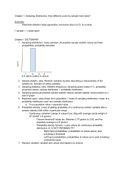
Chapter 4 Water-Based Fire
Suppression Systems Pg. 126 -146
Test
Common types of specialty sprinklers:
Pg. 126 - - Control Mode Specific Application (CMSA)
- Dry Sprinkler
- Residential
- Attic
- Water Mist
- In-Rack
- Early Suppression Fast Emergency
- Extended Coverage Sprinklers
- Open Sprinklers
Specialty Sprinklers:
Used in either dry or wet systems where the protected area may freeze.
An example would be a __________ in a store or storage facility.
How can these sprinklers be installed? (UPS)
Pg. 126 - - Dry Sprinkler
,- walk in freezer
- upright, pendent, or sidewall
Specialty Sprinklers:
Produces large drops of water to enable the spray to penetrate strong updrafts created by elevated fire
conditions.
Pg. 126 - Control Mode Specific Application (CMSA)
Specialty Sprinklers:
Fast response sprinklers that have a special low mass fusible link or bulb that makes the time
temperature actuation much less than that of a conventional sprinkler.
Pg. 126 - Residential sprinklers
Specialty Sprinklers:
Designed to protect sloped attic spaces. The attic discharge patterns were developed to produce a
narrow but long pattern.
An attic sprinklers primary function is to?
Pg. 126 - - Attic (narrow but long pattern)
- provide protection of the roof structure
Specialty Sprinklers:
,Turns the water into a fine mist, which depletes oxygen and blocks radiant heat.
Typically used in storage facilities. In Rack sprinklers incorporate a __________ that shields the heat
sensing element from water that is discharged from the sprinklers above.
Pg. 126 - - Water Mist
- protective disc
Specialty Sprinklers:
Engineered to combat the growing challenge associated with high rack storage facilities. These combine
the advantages of fast response with effective and efficient application of large quantities of water in
high challenge fire scenarios. - Early Suppression Fast Response (ESFR)
Specialty Sprinklers:
Similar to standard spray sprinklers in all respects, EXCEPT for its LISTED COVERAGE AREAS. These
sprinklers are designed to throw water further and cover greater area per sprinkler while still supplying
the water distribution necessary for suppression.
Pg. 126 - Extended Coverage Sprinklers (EC)
Specialty Sprinklers:
Used with deluge systems and resemble standard sprinklers without the thermal element, these
sprinklers are always open. Every sprinkler within a deluge system will discharge water if the system is
activated rather than just the sprinklers exposed to heat.
Pg. 127 - Open sprinklers
, The most common types of sprinkler systems in use today include:
Pg. 127 - - Wet pipe systems
- Dry pipe systems
- Deluge systems
- Preaction systems
A __________ sprinkler systems contain water under pressure and are popular due to their simplicity
and reliability and are usually successful in controlling fires with only a MINIMUM number of sprinklers
opening.
NFPA research indicates that __________ % of fires are controlled with less than __________ sprinklers
activated.
Depending on the occupancies in which they are built, wet pipe systems fall under the requirements of
NFPA __________, __________, or __________.
Pg. 127 - - wet pipe sprinkler system
- 99% of fires ; 10 sprinklers activated
- NFPA 13, NFPA 13D, NFPA 13R
There are 2 types of wet pipe systems:
pg. 128 - - alarm check valves
- waterflow switch detecting alarm device
Suppression Systems Pg. 126 -146
Test
Common types of specialty sprinklers:
Pg. 126 - - Control Mode Specific Application (CMSA)
- Dry Sprinkler
- Residential
- Attic
- Water Mist
- In-Rack
- Early Suppression Fast Emergency
- Extended Coverage Sprinklers
- Open Sprinklers
Specialty Sprinklers:
Used in either dry or wet systems where the protected area may freeze.
An example would be a __________ in a store or storage facility.
How can these sprinklers be installed? (UPS)
Pg. 126 - - Dry Sprinkler
,- walk in freezer
- upright, pendent, or sidewall
Specialty Sprinklers:
Produces large drops of water to enable the spray to penetrate strong updrafts created by elevated fire
conditions.
Pg. 126 - Control Mode Specific Application (CMSA)
Specialty Sprinklers:
Fast response sprinklers that have a special low mass fusible link or bulb that makes the time
temperature actuation much less than that of a conventional sprinkler.
Pg. 126 - Residential sprinklers
Specialty Sprinklers:
Designed to protect sloped attic spaces. The attic discharge patterns were developed to produce a
narrow but long pattern.
An attic sprinklers primary function is to?
Pg. 126 - - Attic (narrow but long pattern)
- provide protection of the roof structure
Specialty Sprinklers:
,Turns the water into a fine mist, which depletes oxygen and blocks radiant heat.
Typically used in storage facilities. In Rack sprinklers incorporate a __________ that shields the heat
sensing element from water that is discharged from the sprinklers above.
Pg. 126 - - Water Mist
- protective disc
Specialty Sprinklers:
Engineered to combat the growing challenge associated with high rack storage facilities. These combine
the advantages of fast response with effective and efficient application of large quantities of water in
high challenge fire scenarios. - Early Suppression Fast Response (ESFR)
Specialty Sprinklers:
Similar to standard spray sprinklers in all respects, EXCEPT for its LISTED COVERAGE AREAS. These
sprinklers are designed to throw water further and cover greater area per sprinkler while still supplying
the water distribution necessary for suppression.
Pg. 126 - Extended Coverage Sprinklers (EC)
Specialty Sprinklers:
Used with deluge systems and resemble standard sprinklers without the thermal element, these
sprinklers are always open. Every sprinkler within a deluge system will discharge water if the system is
activated rather than just the sprinklers exposed to heat.
Pg. 127 - Open sprinklers
, The most common types of sprinkler systems in use today include:
Pg. 127 - - Wet pipe systems
- Dry pipe systems
- Deluge systems
- Preaction systems
A __________ sprinkler systems contain water under pressure and are popular due to their simplicity
and reliability and are usually successful in controlling fires with only a MINIMUM number of sprinklers
opening.
NFPA research indicates that __________ % of fires are controlled with less than __________ sprinklers
activated.
Depending on the occupancies in which they are built, wet pipe systems fall under the requirements of
NFPA __________, __________, or __________.
Pg. 127 - - wet pipe sprinkler system
- 99% of fires ; 10 sprinklers activated
- NFPA 13, NFPA 13D, NFPA 13R
There are 2 types of wet pipe systems:
pg. 128 - - alarm check valves
- waterflow switch detecting alarm device