

MD2001
University of St Andrews
Here are the best resources to pass MD2001. Find MD2001 study guides, notes, assignments, and much more.
Lecture notes
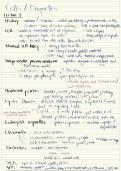
Cells and Organelles
Element Learning Outcomes: -State the size of cells, understand the various scales for cell measurement, and cell components -List and explain the fundamental properties of cells -Draw and label a diagram of a biological membrane indicating the key membrane components -Compare and contrast the basic features of prokaryotes and eukaryote cells. -Describe the basic structure and roles of organelles involved in: (1) Protein expression; (2) Secretory pathway; (3) Uptake and degradation. -Outli...
 ukmedic
Lecture notes
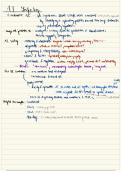
AI Safety
PopularAI Safety Element Learning Outcomes: -Describe Generative AI (in basic terms), including its basic principles and functionalities. -Discuss AI Safety and relate this to the study and practice of medicine. -Discuss the limitations of Generative AI in relation to the accuracy of its outputs and suggest methods of validating AI tools in medicine. -Describe the shortcomings of Generative AI in relation to representation and diversity, and suggest methods to overcome these. -Propose generative ...
ukmedic
Lecture notes
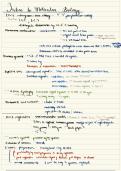
Introduction to Molecular Biology
Element Learning Outcomes: -Describe the structure of DNA, explaining the importance of base-pairing and polarity of helix. -Explain how DNA is packaged within the cell -Draw structure of chromatin and of chromosomes, describing the binding of DNA to histones -Explain how differences in individual chromosome structure underpin the diagnostic techniques of cytogenetics. -Distinguish between different types of repetitive DNA sequences and explain how repetitive DNA may be exploited as a diagn...
ukmedic
Lecture notes
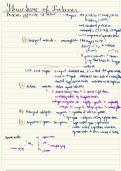
Structure of Proteins
Element Learning Outcomes: -Describe the diverse functions of proteins using specific examples -Set out the classification of amino acids in terms of side chain polarity and draw the structures of the amino acids glycine, proline, cysteine, histidine and aspartate -Define the terms Polypeptide, Amino Acid Residue, Prosthetic Group, Conformation, Amino and Carboxy Terminus -Explain the meaning of pKa and how it can be important in the function of proteins -Define the terms primary and second...
ukmedic
Lecture notes
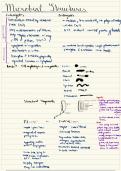
Microbial Structure
Element Learning Outcomes: -Identify, describe, and compare the main structural features of bacteria, viruses, protozoa, fungi, helminths, and yeasts. -Explain the key structural differences between prokaryotic and eukaryotic cells and discuss the implications of these differences for cellular function and antimicrobial treatment approaches. -Recognise and apply the terms for bacterial cell morphologies and arrangements. -Compare and contrast the mechanisms of viral replication and bacterial...
ukmedic
Lecture notes
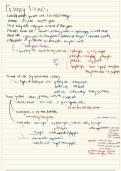
Primary Tissues
Element Learning Outcomes: -Outline how the different cell types in the human body arise from differential gene expression. -Understand the concept of tissue and organ. -State the four different tissues found in the human body. -List the main functions of epithelia and outline the morphological classification of epithelia. -Note that the main surface modifications and junctions found in epithelia. -Describe the general features of neurons and in particular synapses. -Note the functions of...
ukmedic
Lecture notes
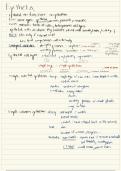
Epithelia
Element Learning Outcomes: -Describe the structural classification of epithelium (e.g. cell type, number of layers). -Give examples of each type of epithelium based on their structural classification for: i. Simple epithelium and ii. Stratified epithelium. -Define the junctional complexes of an epithelium. -Describe the structural modifications that can be made to an epithelium and relate these to their function. -Define how an epithelium is "polarised" and relate this to its function...
ukmedic
Lecture notes
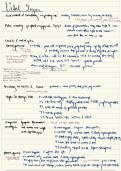
Vital Signs
Element Learning Outcomes: -Measure and assess respiratory rate -Measure and interpret oxygen saturation using a pulse oximeter. -Identify and assess the radial, brachial and carotid pulse for rate, rythm and volume. -Demonstrate competency in measurement of blood pressure using a sphygmomanometer -Demonstrate competency in documentation and interpretation of these vital signs on a National Early Warning Score (NEWS) chart. -Measure core body temperature using a tympanic thermometer. -Per...
ukmedic
Lecture notes
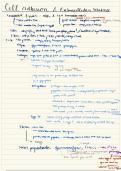
Cell Adhesion and the Extracellular Matrix
Element Learning Outcomes: -Describe the functions of fibroblasts, myofibroblasts and adipocytes. -Describe the functions of the different types of cell junctions. -Describe the molecular defect in Duchenne Muscular Dystrophy. -Outline the significance of cell adhesion and ECM interactions in the spread of cancer. -Describe the functions of cell adhesion molecules and molecules in the extracellular matrix. -Outline recent experimental approaches that attempt to correct this defect in Duche...
ukmedic
Lecture notes
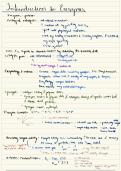
Introduction to Enzymes
Element Learning Outcomes: -Explain how enzymes act as catalysts and how they operate to increase the rate of a chemical reaction -Explain how enzyme kinetics are measured and know the importance of Vmax and Km in defining enzyme activity -Understand the Michaelis-Menten Equation and draw a Lineweaver-Burke plot from sample data to obtain Vmax and Km -Describe the different mechanisms of enzyme inhibition and, with specific examples, how inhibitors affect enzyme function -Explain how enzyme...
ukmedic
Lecture notes
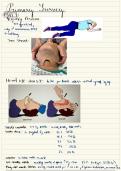
Primary Survey
Element Learning Outcomes: -Demonstrate how to assess for signs of life, normal breathing, and perform a basic airway assessment. -Demonstrate head tilt, chin lift and jaw thrust manoeuvres. -Demonstrate how to place an unconscious adult who is breathing normally in the recovery position. -Understand the different oxygen delivery devices available and how/when to use them.
ukmedic
Lecture notes
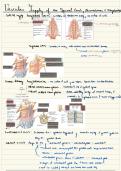
Vascular Supply of the Spinal cord, Dermatomes and Myotomes
Element Learning Outcomes: -Describe the blood supply and venous drainage of the spinal cord -Outline the process of mesodermal differentiation, and the subsequent development of somitomeres and somites (sclerotome, myotome, dermatome) -Explain how limb muscles develop and migrate to the limb buds, and how these muscles then become positioned with respect to dorsal and ventral surfaces of the limbs -Describe the formation and pattern of the upper and lower limb dermatomes
ukmedic
Lecture notes
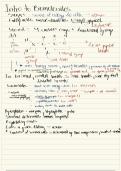
Introduction to Biological Molecules
Element Learning Outcomes: -Define the different types of chemical bonds and give examples of their function in inter- and intramolecular interactions within biological systems -Categorise the different major classes of biomolecules -Distinguish between classes of biomolecules and their functions but recognise that they interact -Explain how biomolecules are covalently linked to form macromolecular structures -Describe the function of macromolecular structures in living systems -Justify th...
ukmedic
Lecture notes
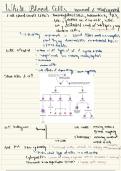
White Blood Cells
Element Learning Outcomes: -Outline the functions of the neutrophil, eosinophil, basophil, lymphocyte and the monocyte. -Define the term chemotaxis -Explain the importance of the differential count in clinical practice -Describe the events which occur in an allergic reaction. -Be aware of the molecular/genetic mechanism of chronic myeloid leukaemia and the contrast with acute myeloid leukaemia
ukmedic
Lecture notes
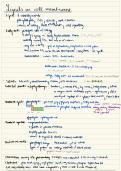
Lipids in Cell Membranes
Element Learning Outcomes: -To explain the importance of membranes in cells. -To describe the structure of lipid bilayers and list the lipid components -To describe what is meant by membrane fluidity and its importance in cell function. -To describe how a lipid bilayer and cell membrane is formed -To understand the various ways that proteins may interact with lipids in cell membranes
ukmedic
Lecture notes
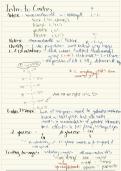
Introduction to Carbohydrates
Element Learning Outcomes: -Specify the structure of simple sugars -Recognise the importance of sugars as energy stores -Describe tests that measure carbohydrate concentrations and clinical implications of the results -Give examples of some defects in carbohydrate metabolism -Distinguish between glycosylation and glycation and understand the clinical significance of glycation
ukmedic
Lecture notes
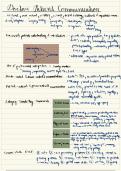
Doctor Patient Communication
Element Learning Outcomes: -Contrast the doctor-centred and patient-centred styles of different doctors -Understand the importance of good communication -Be aware of the general principles of good communication -Describe different factors that can impact on doctor-patient communication -Recognise the different approaches to consultations that can occur in clinical practice
ukmedic

Lecture notes
Patient Safety
Element Learning Outcomes: -Demonstrate the correct procedure for routine hand hygiene -Demonstrate the correct technique for putting on and removing a mask, gloves and apron -Identify the correct ways to dispose of domestic and healthcare-related waste
ukmedic
Lecture notes
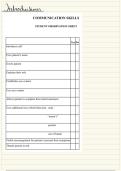
Communication Skills Workshop: Introduction
Element Learning Outcomes: -Devise a set of 'ground rules' and apply them to the group -Distinguish between verbal and non-verbal components of listening -Identify factors responsible for successful initiation of an interaction between clinician and patient -Prepare a considered approach in introducing oneself to a patient
ukmedic
Lecture notes
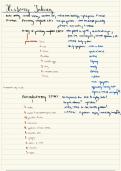
History Taking
Element Learning Outcomes: -Demonstrate an understanding of the framework of a medical history -Understand the role of a medical history in making a clinical diagnosis -Understand the skills required in taking a detailed medical history
ukmedic
Lecture notes
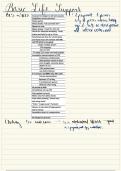
Basic Life Support
Element Learning Outcomes: -Perform high quality Cardiopulmonary Resuscitation (CPR) including a Bag-Valve Mask to deliver ventilations on a manikin. -Demonstrate safe and competent use of an Automated External Defibrillator (AED). -Work effectively as a team to deliver the “Chain of Survival”. -Demonstrate effective management of a choking patient on a manikin.
ukmedic