

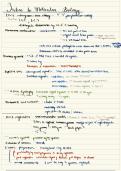
Introduction to Molecular Biology
Element Learning Outcomes: -Describe the structure of DNA, explaining the importance of base-pairing and polarity of helix. -Explain how DNA is packaged within the cell -Draw structure of chromatin and of chromosomes, describing the binding of DNA to histones -Explain how differences in individual chromosome structure underpin the diagnostic techniques of cytogenetics. -Distinguish between different types of repetitive DNA sequences and explain how repetitive DNA may be exploited as a diagnostic tool -List/draw process of semi-conservative DNA replication, distinguishing between leading and lagging strands. -Discuss the problems associated with replicating DNA ends and how mammalian cells overcome them -Explain why errors might occur during DNA replication, the potential implications for human health and what mechanisms exist to remove replication errors -Explain how PCR and DNA sequencing work -Give examples of the uses of PCR and DNA sequencing in clinical settings -Define intron, exon, splice site, promoter, and enhancer: explain their functions -Describe the processes involved in transcription, defining hnRNA (preRNA) and mRNA. -Explain the principles of transcriptional regulation -Discuss the principles of alternative splicing -Explain the principles of the genetic (triplet) code, identify START and STOP codons and outline the process of RNA-protein translation. -List types of mutation and their consequences. -Define the role of Transfer RNAs and how they are charged with specific amino acids. -Give examples of post-translational modifications of proteins -Explain the processes by which proteins transported within and out of the cell
Document information
- Study
-
Medicine
- Uploaded on
- August 19, 2026
- Number of pages
- 4
- Written in
- 2025/2026
- Type
- Lecture notes
- Professor(s)
- Dr paul reynolds
- Contains
- All classes


