

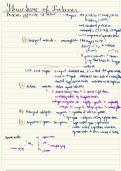
Structure of Proteins
Element Learning Outcomes: -Describe the diverse functions of proteins using specific examples -Set out the classification of amino acids in terms of side chain polarity and draw the structures of the amino acids glycine, proline, cysteine, histidine and aspartate -Define the terms Polypeptide, Amino Acid Residue, Prosthetic Group, Conformation, Amino and Carboxy Terminus -Explain the meaning of pKa and how it can be important in the function of proteins -Define the terms primary and secondary structure and the types of folding patterns commonly found in the secondary structure of proteins and show how the peptide bond is formed. -Explain what is meant by a hydrogen bond, specifiy which groups are capable of forming it and explain its importance in protein structure -Define the terms Tertiary and Quaternary Structure with reference to named examples, and know the types of chemical bonds and intramolecular interactions important at each level of the hierarchy -Be able to list and describe the bonds important in stabilising tertiary and quaternary structure -Be able to describe the importance of quaternary structure in the function of haemoglobin and collagen -Discuss the importance of precise protein folding and the implications of changes in primary structure (in human disease with specific examples).
Document information
- Study
-
Medicine
- Uploaded on
- August 18, 2026
- Number of pages
- 5
- Written in
- 2025/2026
- Type
- Lecture notes
- Professor(s)
- Dr alan stewart
- Contains
- All classes


