An introduction to Insanity
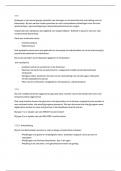
Insanity is a full capacity defence that arises when the defendant suffers
with a defect of reason, due to a disease of the mind and therefore does
not understand the nature of their act. Consequently, the defendants
mens rea was impaired and deficient. A Three element test was
established in the case of M’Naghten.
1. Defect of reason
The defendant must suffer with a total absent mindedness and a
complete lack of awareness. A mere absent mindedness will not suffice
as a defect of reason.
(Supporting Case Authority: R v Clarke -> the defendant picked up a
couple of items from the supermarket. They then left the store. It was
decided a mere absent mindedness occurred. The defence thus failed).
2. Disease of the mind
The disease of the mind must be an internal cause and occur at the time
of the offence
(Supporting Case: Kemp -> Hardening of the arteries was an internal
cause and did occur at the time of the offence. Therefore, the defence
sufficed as this affected the mind).
A disease of the mind is a legal term rather than a medical term and the
disease can be physical and mental. This disease must affect the mind of
the defendant.
(Supporting Case: Burgess-> Sleepwalking was a mental disease and
sufficed for insanity).
3. Understand nature of their act or that it was wrong.
The defendant, due to a disease of the mind and defect of reason, should
not be able to understand the nature of their act. Their mind was
capped and fogged.
Insanity is a full capacity defence that arises when the defendant suffers
with a defect of reason, due to a disease of the mind and therefore does
not understand the nature of their act. Consequently, the defendants
mens rea was impaired and deficient. A Three element test was
established in the case of M’Naghten.
1. Defect of reason
The defendant must suffer with a total absent mindedness and a
complete lack of awareness. A mere absent mindedness will not suffice
as a defect of reason.
(Supporting Case Authority: R v Clarke -> the defendant picked up a
couple of items from the supermarket. They then left the store. It was
decided a mere absent mindedness occurred. The defence thus failed).
2. Disease of the mind
The disease of the mind must be an internal cause and occur at the time
of the offence
(Supporting Case: Kemp -> Hardening of the arteries was an internal
cause and did occur at the time of the offence. Therefore, the defence
sufficed as this affected the mind).
A disease of the mind is a legal term rather than a medical term and the
disease can be physical and mental. This disease must affect the mind of
the defendant.
(Supporting Case: Burgess-> Sleepwalking was a mental disease and
sufficed for insanity).
3. Understand nature of their act or that it was wrong.
The defendant, due to a disease of the mind and defect of reason, should
not be able to understand the nature of their act. Their mind was
capped and fogged.