OCD
Monday, 28 January 2019 14:03
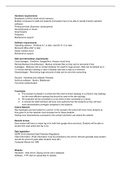
What is OCD?
- Repetitive thoughts and urges (obsession).
- Repetitive behaviours and mental acts (compulsions).
What is Body Dysmorphic Disorder (BDD)?
- Repetitive thoughts and urges about personal appearance.
What is Hoarding Disorder (HD)?
- Repetitive thoughts about possessions.
BDD:
○ Preoccupied with an imagined/exaggerated defect in appearance.
- Perceive themselves to be ugly.
- Women's focus: skin, hips, breasts, legs.
- Men's focus: height, penis size, body hair, muscularity.
○ Engage in compulsive behaviours.
- Check appearance in mirrors often.
- Camouflage their appearance (tanning, makeup, plastic surgery).
○ High levels of shame, anxiety and depression.
○ Occurs slightly more often in women.
○ 2% prevalence rate, 5-7% for women seeking plastic surgery.
○ Nearly all have another comorbid disorder.
DSM-5 Criteria for BDD:
,
, ○ Occurs slightly more often in women.
○ 2% prevalence rate, 5-7% for women seeking plastic surgery.
○ Nearly all have another comorbid disorder.
DSM-5 Criteria for BDD:
- Preoccupation with a perceived defect/markedly excessive concern over a slight
- Person has performed repetitive behaviours or mental acts (mirror checking, see
in response to appearance concerns.
- Preoccupation isn't restricted to concerns about weight or fat.
Hoarding Disorder:
- New for DSM-5.
○ Can't part with acquired objects.
- Most objects are worthless.
- Extremely attached to objects.
- Resistant to relinquishing objects.
○ 66% are unaware of severity of problem.
○ 33% engage in animal hoarding.
- Animals often are treated badly.
○ Severe consequences.
- Squalid living conditions.
- Negatively impacts relationships.
OCD Symptoms:
1) Obsessions.
2) Compulsions.
Obsessions:
- Intrusive recurring thoughts, impulses and images.
- Irrational and uncontrollable.
- Contamination, hypochondriacal, fear of expressing some unusual or aggressive
Compulsions:
- Repetitive behaviour/mental act that the person feels driven to perform in order
obsessive thoughts. Or to prevent some calamity from occurring.
- Often the activity isn't connected with, or excessive for the purpose.
OCD:
○ More common in women.
- 1.5 times more common than men.
○ OCD often chronic.
- Only 20% complete recovery.
Monday, 28 January 2019 14:03
What is OCD?
- Repetitive thoughts and urges (obsession).
- Repetitive behaviours and mental acts (compulsions).
What is Body Dysmorphic Disorder (BDD)?
- Repetitive thoughts and urges about personal appearance.
What is Hoarding Disorder (HD)?
- Repetitive thoughts about possessions.
BDD:
○ Preoccupied with an imagined/exaggerated defect in appearance.
- Perceive themselves to be ugly.
- Women's focus: skin, hips, breasts, legs.
- Men's focus: height, penis size, body hair, muscularity.
○ Engage in compulsive behaviours.
- Check appearance in mirrors often.
- Camouflage their appearance (tanning, makeup, plastic surgery).
○ High levels of shame, anxiety and depression.
○ Occurs slightly more often in women.
○ 2% prevalence rate, 5-7% for women seeking plastic surgery.
○ Nearly all have another comorbid disorder.
DSM-5 Criteria for BDD:
,
, ○ Occurs slightly more often in women.
○ 2% prevalence rate, 5-7% for women seeking plastic surgery.
○ Nearly all have another comorbid disorder.
DSM-5 Criteria for BDD:
- Preoccupation with a perceived defect/markedly excessive concern over a slight
- Person has performed repetitive behaviours or mental acts (mirror checking, see
in response to appearance concerns.
- Preoccupation isn't restricted to concerns about weight or fat.
Hoarding Disorder:
- New for DSM-5.
○ Can't part with acquired objects.
- Most objects are worthless.
- Extremely attached to objects.
- Resistant to relinquishing objects.
○ 66% are unaware of severity of problem.
○ 33% engage in animal hoarding.
- Animals often are treated badly.
○ Severe consequences.
- Squalid living conditions.
- Negatively impacts relationships.
OCD Symptoms:
1) Obsessions.
2) Compulsions.
Obsessions:
- Intrusive recurring thoughts, impulses and images.
- Irrational and uncontrollable.
- Contamination, hypochondriacal, fear of expressing some unusual or aggressive
Compulsions:
- Repetitive behaviour/mental act that the person feels driven to perform in order
obsessive thoughts. Or to prevent some calamity from occurring.
- Often the activity isn't connected with, or excessive for the purpose.
OCD:
○ More common in women.
- 1.5 times more common than men.
○ OCD often chronic.
- Only 20% complete recovery.