Day 1: Emotional Intelligence
1. What have you understood Emotional Intelligence to be?
Emotional intelligence is the ability to understand, use, and manage your own emotions in
positive ways to relieve stress, communicate effectively, empathize with others, overcome
challenges and defuse conflict.
2. How would you rate your own Emotional Intelligence? How have you been able to build better
work place relationships with internal or external stakeholders through a clearer understanding of
others?
My emotional intelligence is not great, I am aware of my issues - I sometimes take things too
personally, I'm not very resilient, I can get overly involved and as an extension of not dealing
well with my own emotions I struggle at times to support those who are going through difficult
times, and I can also come off quite harsh/abrasive at times.
3. What did you learn from these two sources which might want you to improve in the area of
Emotional Intelligence?
What do you think is the role of the manager when managing work place relationships?
1. To be the bridge between our staff and higher managers
2. To help support our staff through good and bad times and enable them to do their jobs well
3. To set expectations of staff so they know what's expected of them and also what they can
expect from me/my line management chain
4. To build bridges between different departments and encourage staff to do the same
5. Handle the HR issues, support them when they're raising concerns address concerns from
the organisation re: productivity, attendance, attitude etc.
Manage the environment in which the employee is working - ensure they have the tools and training
- manage interpersonal relationships.
How well do you fair? Which areas are you doing well in? Which areas do you need to develop in or
find challenging?
1. I find the people management side of things difficult - as far as my own work goes it's fine, I
can manage that if I make a mistake it can be resolved, hopefully with minimal
repercussions. As a manager, mistakes I make could have a potentially negative impact on
my team. I've worked on this with my managers during my 1-2-1's and they assure me it's
more of a confidence issue - but I've started to go through training now, which is helping me.
1+ year after I started the manager role.
2. Difficult conversations are challenging - I'm not great with emotions, and I fully support,
empathise and sympathise with people when talking to them, but at the same time I just
need them to do their job, and if they are emotional or don't want to engage it makes it a lot
more difficult for me.
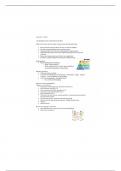
The Four Leadership Styles of Situational Leadership® | CLS
,1. Style 2 - talk to staff, engage with them, improve their understanding before relaying the
message to other people
2. Style 3 - and also some of style 1 - working with the team - collaborate with them
3. Style 4 - and also some of 3 - get people involved early on and get their buy in - empower
them and give them an opportunity to develop and grow -
4. Style 1 - possibility for development so some of style 4 - the resources are sometimes driven
by higher management, but can be a development opportunity for someone wanting to
progress.
5. Style 2 - checking peoples understanding, maybe going into a bit of the why, then keeping on
top of things to drive it
6. Style 3/4 - have those doing the initiatives drive the conversation - what worked well, what
hasn’t worked well? What could be done differently/better?
, Effective leadership is about choosing a behaviour which fits the needs of the manager and the team
- Read the One Minute Manager - Different strokes for different folks.
10 Interview Questions You’ll Get on Emotional Intelligence | The Muse
Not just people working together or sat in a team - they are purposeful about a common element.
What techniques help us achieve effective collaborative working?
Being inclusive and being open to other opinions that aren't your own.
Not being offended or emotional if someone has a different response to you or disagrees
with you
Good listener - what are we hearing? What are we not hearing?
Goof communicator - acronyms - not making assumptions that people understand things
1. What have you understood Emotional Intelligence to be?
Emotional intelligence is the ability to understand, use, and manage your own emotions in
positive ways to relieve stress, communicate effectively, empathize with others, overcome
challenges and defuse conflict.
2. How would you rate your own Emotional Intelligence? How have you been able to build better
work place relationships with internal or external stakeholders through a clearer understanding of
others?
My emotional intelligence is not great, I am aware of my issues - I sometimes take things too
personally, I'm not very resilient, I can get overly involved and as an extension of not dealing
well with my own emotions I struggle at times to support those who are going through difficult
times, and I can also come off quite harsh/abrasive at times.
3. What did you learn from these two sources which might want you to improve in the area of
Emotional Intelligence?
What do you think is the role of the manager when managing work place relationships?
1. To be the bridge between our staff and higher managers
2. To help support our staff through good and bad times and enable them to do their jobs well
3. To set expectations of staff so they know what's expected of them and also what they can
expect from me/my line management chain
4. To build bridges between different departments and encourage staff to do the same
5. Handle the HR issues, support them when they're raising concerns address concerns from
the organisation re: productivity, attendance, attitude etc.
Manage the environment in which the employee is working - ensure they have the tools and training
- manage interpersonal relationships.
How well do you fair? Which areas are you doing well in? Which areas do you need to develop in or
find challenging?
1. I find the people management side of things difficult - as far as my own work goes it's fine, I
can manage that if I make a mistake it can be resolved, hopefully with minimal
repercussions. As a manager, mistakes I make could have a potentially negative impact on
my team. I've worked on this with my managers during my 1-2-1's and they assure me it's
more of a confidence issue - but I've started to go through training now, which is helping me.
1+ year after I started the manager role.
2. Difficult conversations are challenging - I'm not great with emotions, and I fully support,
empathise and sympathise with people when talking to them, but at the same time I just
need them to do their job, and if they are emotional or don't want to engage it makes it a lot
more difficult for me.
The Four Leadership Styles of Situational Leadership® | CLS
,1. Style 2 - talk to staff, engage with them, improve their understanding before relaying the
message to other people
2. Style 3 - and also some of style 1 - working with the team - collaborate with them
3. Style 4 - and also some of 3 - get people involved early on and get their buy in - empower
them and give them an opportunity to develop and grow -
4. Style 1 - possibility for development so some of style 4 - the resources are sometimes driven
by higher management, but can be a development opportunity for someone wanting to
progress.
5. Style 2 - checking peoples understanding, maybe going into a bit of the why, then keeping on
top of things to drive it
6. Style 3/4 - have those doing the initiatives drive the conversation - what worked well, what
hasn’t worked well? What could be done differently/better?
, Effective leadership is about choosing a behaviour which fits the needs of the manager and the team
- Read the One Minute Manager - Different strokes for different folks.
10 Interview Questions You’ll Get on Emotional Intelligence | The Muse
Not just people working together or sat in a team - they are purposeful about a common element.
What techniques help us achieve effective collaborative working?
Being inclusive and being open to other opinions that aren't your own.
Not being offended or emotional if someone has a different response to you or disagrees
with you
Good listener - what are we hearing? What are we not hearing?
Goof communicator - acronyms - not making assumptions that people understand things