Outline and evaluate the
behavioural approach to treating
phobias. (16 marks)
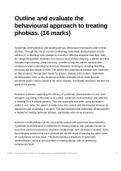
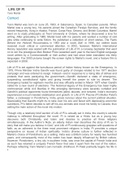
Systematic desensitisation and flooding are two behavioural techniques used to treat
phobias. Through the use of counterconditioning, systematic desensitisation assists
patients in "unlearning" their phobias by evoking a different response from fear: calm.
By categorising phobic situations from least to most anxiety-inducing, a patient and their
therapist might develop a fear hierarchy. In order to help the patient maintain their
composure when confronted by their fear, relaxation techniques including breathing
exercises are also taught to them. The patient then attempts to maintain their calmness
as they progress through their hierarchy of fears, starting at the bottom. Systematic
desensitisation relies on the reciprocal inhibition principle, which holds that two
emotional states cannot coexist at the same moment. Eventually, relaxation will take the
place of the anxiety.
Research evidence supporting the efficacy of systematic desensitisation is one of its
strengths. According to McGrath et al. (1990), systematic desensitisation was effective
in treating 75% of phobia patients. This was especially true when using techniques
called in vivo, when the patient actually came into contact with the dreaded stimulus as
opposed to just visualising it (in vitro). This demonstrates that systematic desensitisation
is helpful for treating particular phobias, particularly when done in-person.
However, not all phobias can be successfully treated with systematic desensitisation.
Systematic desensitisation is ineffective for treating patients with phobias that did not
arise from personal experience (classical conditioning), such as a fear of snakes. Some
psychologists contend that some phobias are not the result of learning but rather have
an evolutionary survival value. This demonstrates a drawback of systematic
desensitisation, which is unsuccessful in treating phobias with an underlying
evolutionary basis.
Outline and evaluate the behavioural approach to treating phobias. (16 marks) 1
behavioural approach to treating
phobias. (16 marks)
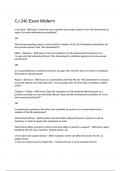
Systematic desensitisation and flooding are two behavioural techniques used to treat
phobias. Through the use of counterconditioning, systematic desensitisation assists
patients in "unlearning" their phobias by evoking a different response from fear: calm.
By categorising phobic situations from least to most anxiety-inducing, a patient and their
therapist might develop a fear hierarchy. In order to help the patient maintain their
composure when confronted by their fear, relaxation techniques including breathing
exercises are also taught to them. The patient then attempts to maintain their calmness
as they progress through their hierarchy of fears, starting at the bottom. Systematic
desensitisation relies on the reciprocal inhibition principle, which holds that two
emotional states cannot coexist at the same moment. Eventually, relaxation will take the
place of the anxiety.
Research evidence supporting the efficacy of systematic desensitisation is one of its
strengths. According to McGrath et al. (1990), systematic desensitisation was effective
in treating 75% of phobia patients. This was especially true when using techniques
called in vivo, when the patient actually came into contact with the dreaded stimulus as
opposed to just visualising it (in vitro). This demonstrates that systematic desensitisation
is helpful for treating particular phobias, particularly when done in-person.
However, not all phobias can be successfully treated with systematic desensitisation.
Systematic desensitisation is ineffective for treating patients with phobias that did not
arise from personal experience (classical conditioning), such as a fear of snakes. Some
psychologists contend that some phobias are not the result of learning but rather have
an evolutionary survival value. This demonstrates a drawback of systematic
desensitisation, which is unsuccessful in treating phobias with an underlying
evolutionary basis.
Outline and evaluate the behavioural approach to treating phobias. (16 marks) 1