CHINA
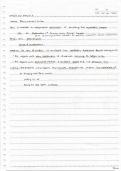
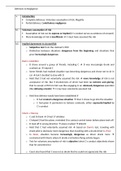
1894 Dr Sun sets up Revive China Movement
1911 Revolution against Qing Dynasty
1912 KMT party formed, Dr Sun the boss
1913 Elections, KMT wins, but…
1914 Yuan takes over, becomes dictator
1915 Japan issues claims China “21 Demands”
1916 Yuan dies, Dr Sun takes over
Warlords kick off
1919 Japan given Shandong territory in China by Treaty of Versailles
May 4th Movement
1919 Dr Sun reforms KMT
1921 CCP formed
1923 Dr Sun invites in USSR
USSR encourage Sun to get KMT and CCP together in a United Front vs the warlords
1925 Dr Sun dies, Chiang takes over
1926 Chiang leads Northern Expedition/March to get the warlords
1927 Chiang turns on communists
Shanghai massacre and CCP go to countryside
1931 Japan invades
1934 Chiang goes after CCP again in Jiangtxi Soviet – Long March as CCP escape
CCP loses men
1935 Mao takes over CCP
1936 2nd United Front set up to go after Japs
1937-45War against Japs
CCP building popularity
1945 Japs lose, USSR invades!
1946-49Civil war CCP vs KMT – in 3 phases
1949 CCP win, Mao declares country
1949+ Mao runs country
1953 First 5 year plan
1956 Hundred Flowers campaign
1958 starts Great Leap Forward
1966 launches “cultural revolution”
1976 Mao dies, Hua takes over
1979 Hua dies and Deng takes charge
1989 Tiannemen Square massacre
In what ways did CCP change 1920s and 1930s and 1940s and 1950s?
…in 1920s.
• Founded in 1921 but origins in May 4th Movement which encouraged Chinese intellectuals to turn to new ideologies
• Strengthened (paradoxically) in 1927 when Chiang massacred 5000 Communists in Shanghai - led to CCP creating the “Red
Army” and the USSR switching to support CCP
• Focussed on peasants when forced to flee from the urban areas to the countryside
o CCP were to propose Land Laws and reduced taxes, set up schools, modernise the living conditions in the country
o In 1925, Mao was excluded from the CCP because he disagreed with focus on cities and joined ‘Rural Communism’
…in 1930s.
• Conflict with KMT led to changes in leadership: In 1934 CCP had to flee on “The Long March” and in 1935 Mao took over
• They exploited WW2 to gain territory and influence - By the end of the war in 1945, the CCP controlled over 95m people.
…in 1940s.
• After WW2 ended, 1946-49, fought and won a civil war, although CCP had only 900,000 soldiers while KMT had 2.7 million
• 1st Oct 1949, most of China under CCP control. Chiang Kai-shek fled to Taiwan. People’s Republic of China declared by Mao.
…in 1950s….1960s…1970s…1980s
• Mao began to create his own version of Marxism, in mid 50s CCP broke from USSR, launched Cultural revolution
o Mao died on September 9, 1979, resulting in a power struggle
o Deng became leader, started reform ‘Socialism with Chinese characteristics’. Communist in politics, capitalist in economics
1
, What were the key features of the 1911 Revolution? In what ways did China change after the 1911 revolution?
1911 Revolution began in Hankou and within a month 20 cities fell, all of Southern China.
It was caused by the weakness of the Qing Dynasty and a growth in Nationalism
• Emperors of the Qing Dynasty were weak and corrupt – people lost trust, army lost trust, and they lost wars.
• Qing had agreed treaties with foreign powers that fuelled resentment in Chinese people.
• Many students went abroad to study and returned with western ideas….and were angered by how backward China was
• There was overcrowding, shortages and poor living conditions in cities where the British had set up
• Dr Sun Yatsen, started the the ‘Revive China Movement’ in 1894 to campaign for modernisation and national power.
• He joined forces with other anti-Qing groups to form the Revolutionary Alliance, who planned 1911 Revolution.
It led to the end of the Dynasty - after 2000 years of imperial rule – and a new type of dictatorship (despite elections)
• In elections in 1913, Kuomintang, People’s National Party, won the majority by 43% of the votes But.
• Yuan Shikai, in military, dissolved National & Provincial assemblies, and made himself President and banned the KMT
What were the key features of the Presidency of Yuan Shikai?
He ruled like a dictator, banning assemblies and giving power to Military Governors
• Yuan Shikai, in military, dissolved National & Provincial assemblies, and made himself President and banned the KMT
By 1914 he was a dictator of China, in 1915 said he would be Emperor. Dr Sun escapes to Japan when Yuan takes over.
He lost control internally and externally
• Southern provinces declared independence and others began to rebel. Yuan ordered a bloody repression
• He went to war with Japan: Japan invaded China and people were outraged by the treaty called “21 Demands” in which
Japanese demanded control of China’s factories, railways, and ports, and threatening wars if the demands were refused.
What were the key features of China under the Warlords? (1916 to 1928) How did China change 1916 to 1928?
• When Yuan died in 1916, Dr Sun set up a new Government in 1917…but couldn’t control the whole country
There was a major league power struggle
• Warlords were only interested in power and wealth: they imposed high taxes, enlisted peasants in armies, printed money
• Warlords began fighting each other – causing divisions between North and South of China. Had different approaches
• Atrocities were committed – eg the attack by a war lord on a Sichuan camp with 16,000 men
There was widespread unhappiness with weak Government
• The civil war, the Japanese war and the humiliation if the Treaty of Versailles ..led to the May 4th Movement
• Plus Severe droughts and famines, flooding - brought misery to millions
And eventually Dr Sun asks the USSR to come into China
• Dr Sun appealed to the USSR for help and the Russkies set up the Whampoa Military Academy in Guangzhou.
• The USSR encouraged the CCP and KMT to cooperate and form a “United Front”.
What were the key features of the May 4th Movement?
The May Fourth Movement was the name of a student movement calling for change and national rebirth.
• On 4th May 1919, 3000 students assembled in Tiananmen Sq. to demand the government assert itself against the Japanese.
• A Beijing student union was set up the May 4th Movement and this was replicated across China in cities like Shanghai.
The Movement built on an underlying new Culture Movement and desire for change
• Intelligentsia growing, educated abroad due to 100 Days Reforms, wanting change …called the “the Intellectual Revolution”
• New Youth Magazine - founded in 1915 – said youth should have a voice, wanted a New Society. wanted rights for women
• China felt betrayed by T of V which gave Japan the Shandong province which Germany had
It led to nationwide protests, a refusal to sign the TofV, reduced confidence in the West, new ideologies, new confidence in
calling for change… and the creation of the CCP in 1921 and China turning to the USSR in 1923
2
1894 Dr Sun sets up Revive China Movement
1911 Revolution against Qing Dynasty
1912 KMT party formed, Dr Sun the boss
1913 Elections, KMT wins, but…
1914 Yuan takes over, becomes dictator
1915 Japan issues claims China “21 Demands”
1916 Yuan dies, Dr Sun takes over
Warlords kick off
1919 Japan given Shandong territory in China by Treaty of Versailles
May 4th Movement
1919 Dr Sun reforms KMT
1921 CCP formed
1923 Dr Sun invites in USSR
USSR encourage Sun to get KMT and CCP together in a United Front vs the warlords
1925 Dr Sun dies, Chiang takes over
1926 Chiang leads Northern Expedition/March to get the warlords
1927 Chiang turns on communists
Shanghai massacre and CCP go to countryside
1931 Japan invades
1934 Chiang goes after CCP again in Jiangtxi Soviet – Long March as CCP escape
CCP loses men
1935 Mao takes over CCP
1936 2nd United Front set up to go after Japs
1937-45War against Japs
CCP building popularity
1945 Japs lose, USSR invades!
1946-49Civil war CCP vs KMT – in 3 phases
1949 CCP win, Mao declares country
1949+ Mao runs country
1953 First 5 year plan
1956 Hundred Flowers campaign
1958 starts Great Leap Forward
1966 launches “cultural revolution”
1976 Mao dies, Hua takes over
1979 Hua dies and Deng takes charge
1989 Tiannemen Square massacre
In what ways did CCP change 1920s and 1930s and 1940s and 1950s?
…in 1920s.
• Founded in 1921 but origins in May 4th Movement which encouraged Chinese intellectuals to turn to new ideologies
• Strengthened (paradoxically) in 1927 when Chiang massacred 5000 Communists in Shanghai - led to CCP creating the “Red
Army” and the USSR switching to support CCP
• Focussed on peasants when forced to flee from the urban areas to the countryside
o CCP were to propose Land Laws and reduced taxes, set up schools, modernise the living conditions in the country
o In 1925, Mao was excluded from the CCP because he disagreed with focus on cities and joined ‘Rural Communism’
…in 1930s.
• Conflict with KMT led to changes in leadership: In 1934 CCP had to flee on “The Long March” and in 1935 Mao took over
• They exploited WW2 to gain territory and influence - By the end of the war in 1945, the CCP controlled over 95m people.
…in 1940s.
• After WW2 ended, 1946-49, fought and won a civil war, although CCP had only 900,000 soldiers while KMT had 2.7 million
• 1st Oct 1949, most of China under CCP control. Chiang Kai-shek fled to Taiwan. People’s Republic of China declared by Mao.
…in 1950s….1960s…1970s…1980s
• Mao began to create his own version of Marxism, in mid 50s CCP broke from USSR, launched Cultural revolution
o Mao died on September 9, 1979, resulting in a power struggle
o Deng became leader, started reform ‘Socialism with Chinese characteristics’. Communist in politics, capitalist in economics
1
, What were the key features of the 1911 Revolution? In what ways did China change after the 1911 revolution?
1911 Revolution began in Hankou and within a month 20 cities fell, all of Southern China.
It was caused by the weakness of the Qing Dynasty and a growth in Nationalism
• Emperors of the Qing Dynasty were weak and corrupt – people lost trust, army lost trust, and they lost wars.
• Qing had agreed treaties with foreign powers that fuelled resentment in Chinese people.
• Many students went abroad to study and returned with western ideas….and were angered by how backward China was
• There was overcrowding, shortages and poor living conditions in cities where the British had set up
• Dr Sun Yatsen, started the the ‘Revive China Movement’ in 1894 to campaign for modernisation and national power.
• He joined forces with other anti-Qing groups to form the Revolutionary Alliance, who planned 1911 Revolution.
It led to the end of the Dynasty - after 2000 years of imperial rule – and a new type of dictatorship (despite elections)
• In elections in 1913, Kuomintang, People’s National Party, won the majority by 43% of the votes But.
• Yuan Shikai, in military, dissolved National & Provincial assemblies, and made himself President and banned the KMT
What were the key features of the Presidency of Yuan Shikai?
He ruled like a dictator, banning assemblies and giving power to Military Governors
• Yuan Shikai, in military, dissolved National & Provincial assemblies, and made himself President and banned the KMT
By 1914 he was a dictator of China, in 1915 said he would be Emperor. Dr Sun escapes to Japan when Yuan takes over.
He lost control internally and externally
• Southern provinces declared independence and others began to rebel. Yuan ordered a bloody repression
• He went to war with Japan: Japan invaded China and people were outraged by the treaty called “21 Demands” in which
Japanese demanded control of China’s factories, railways, and ports, and threatening wars if the demands were refused.
What were the key features of China under the Warlords? (1916 to 1928) How did China change 1916 to 1928?
• When Yuan died in 1916, Dr Sun set up a new Government in 1917…but couldn’t control the whole country
There was a major league power struggle
• Warlords were only interested in power and wealth: they imposed high taxes, enlisted peasants in armies, printed money
• Warlords began fighting each other – causing divisions between North and South of China. Had different approaches
• Atrocities were committed – eg the attack by a war lord on a Sichuan camp with 16,000 men
There was widespread unhappiness with weak Government
• The civil war, the Japanese war and the humiliation if the Treaty of Versailles ..led to the May 4th Movement
• Plus Severe droughts and famines, flooding - brought misery to millions
And eventually Dr Sun asks the USSR to come into China
• Dr Sun appealed to the USSR for help and the Russkies set up the Whampoa Military Academy in Guangzhou.
• The USSR encouraged the CCP and KMT to cooperate and form a “United Front”.
What were the key features of the May 4th Movement?
The May Fourth Movement was the name of a student movement calling for change and national rebirth.
• On 4th May 1919, 3000 students assembled in Tiananmen Sq. to demand the government assert itself against the Japanese.
• A Beijing student union was set up the May 4th Movement and this was replicated across China in cities like Shanghai.
The Movement built on an underlying new Culture Movement and desire for change
• Intelligentsia growing, educated abroad due to 100 Days Reforms, wanting change …called the “the Intellectual Revolution”
• New Youth Magazine - founded in 1915 – said youth should have a voice, wanted a New Society. wanted rights for women
• China felt betrayed by T of V which gave Japan the Shandong province which Germany had
It led to nationwide protests, a refusal to sign the TofV, reduced confidence in the West, new ideologies, new confidence in
calling for change… and the creation of the CCP in 1921 and China turning to the USSR in 1923
2