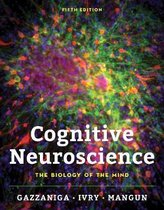
TESTBANK
COGNITIVENEUROSCIENCETHEBIOLOGYOFTHEMINDFIFTH
EDITIONBYMICHAELGAZZANIGA,RICHARD BIVRY,GEORGER MANGUN
,Chapter 1: A Brief History of Cognitive Neuroscience
WQ WQ WQ WQ WQ WQ WQ
LEARNING OBJECTIVES
WQ
1.1 Explain the origins of the field of cognitive neuroscience.
WQ WQ WQ WQ WQ WQ WQ WQ
1.2 Describe the roots of the debate over localization of function.
WQ WQ WQ WQ WQ WQ WQ WQ WQ
1.3 Explain the ways in which brain structure was studied.
WQ WQ WQ WQ WQ WQ WQ WQ
1.4 Understand the philosophical origins of cognitive psychology.
WQ WQ WQ WQ WQ WQ
1.5 Discuss behaviorism and its principal tenets.
WQ WQ WQ WQ WQ
1.6 Explain how and why cognitive psychology came to the forefront of the psychological fields.
WQ WQ WQ WQ WQ WQ WQ WQ WQ WQ WQ WQ WQ
1.7 Identify the different methods that are used to measure brain function and structure.
WQ WQ WQ WQ WQ WQ WQ WQ WQ WQ WQ WQ
MULTIPLE CHOICE
WQ
1. What term was coined by Thomas Willis as a consequence of the case of Anne Green?
WQ WQ WQ WQ WQ WQ WQ WQ WQ WQ WQ WQ WQ WQ WQ
a. psychopathology
b. cognition
c. neurology
d. psychosis
ANS: W Q C DIF: Easy
REF: 1.1 A Historical Perspective OBJ:
WQ WQ WQ WQ WQ W Q
1.1 MSC: Remembering
WQ W Q
2. Aside from saving Anne Green’s life, Thomas Willis and Christopher Wren also
WQ WQ WQ WQ WQ WQ WQ WQ WQ WQ WQ
a. created very accurate drawings of the brain.
WQ WQ WQ WQ WQ WQ
b. came up with the names of a number of brain structures.
WQ WQ WQ WQ WQ WQ WQ WQ WQ WQ
c. took the first steps that led to cognitive neuroscience.
WQ WQ WQ WQ WQ WQ WQ WQ
d. All of the answer options are correct.
WQ WQ WQ WQ WQ WQ
ANS: W Q D DIF: Medium
REF: 1.1 A Historical Perspective OBJ:
WQ WQ WQ WQ WQ W Q
1.1 MSC: Understanding
WQ W Q
3. Each of the following are reasons why Willis is considered one of the early figur
WQ WQ WQ WQ WQ WQ WQ WQ WQ WQ WQ WQ WQ WQ
es in cognit ive neuroscience EXCEPT:
WQ WQ WQ WQ WQ
a. He named many brain parts.
WQ WQ WQ WQ
b. He gave frequent lectures on specific brain regions.
WQ WQ WQ WQ WQ WQ WQ
c. He was among the first to link behavioral deficits to brain damage.
WQ WQ WQ WQ WQ WQ WQ WQ WQ WQ WQ
d. He created very accurate brain images.
WQ WQ WQ WQ WQ
ANS: W Q B DIF: Medium
REF: 1.1 A Historical Perspective OBJ:
WQ WQ WQ WQ WQ W Q
1.1 MSC: Remembering
WQ W Q
4. While studying brain function, it is often useful to think of development in terms of
WQ WQ WQ WQ WQ WQ WQ WQ WQ WQ WQ WQ WQ WQ
, which is the perspective of . WQ WQ WQ WQ WQ
a. cognition; cognitive neuroscience
WQ c. blood flow; magnetic resonance imaging
WQ WQ WQ WQ WQ
b. survival; evolution WQ d. dysfunction; psychopathology W Q WQ
ANS: B WQ DIF: Difficult REF: 1.1 A Historical Perspecti
WQ WQ WQ
ve
OBJ: W Q 1.1 MSC: W Q Analyzing
, 5. Which stance would most likely hold an assumption that physical elements of the brain a
WQ WQ WQ WQ WQ WQ WQ WQ WQ WQ WQ WQ WQ WQ
re responsi ble for the conscious mind?
WQ WQ WQ WQ WQ WQ
a. monism c. dualism
b. behaviorism d. relativism WQ
ANS: A WQ DIF: Medium REF: 1.1 A Historical Perspe
W Q WQ WQ WQ
ctiv e WQ
OBJ: W Q 1.1 MSC: Analyzing
6. René Descartes posited that the mind was
WQ WQ WQ WQ WQ WQ separate from the body. However, he impli
WQ WQ WQ WQ WQ WQ WQ
cated a sin gle brain structure, the pineal
WQ WQ WQ WQ WQ WQ WQ WQ gland, as having what function?
WQ WQ WQ WQ
a. regulating feelings and emotions WQ WQ WQ c. moderating cognitive processes WQ WQ
b. connecting the mind and the body WQ WQ WQ WQ WQ d. adjusting behavior
W Q WQ
ANS: W Q B DIF: Easy
REF: 1.1 A Historical Perspective OBJ:
WQ WQ WQ WQ WQ W Q
1.1 MSC: Remembering
WQ W Q
7. Considering the perspective recommended for approaching cognitive neuroscience, whi
WQ WQ WQ WQ WQ WQ WQ WQ
ch of t he following would best explain how a cognitive function may have develo
WQ WQ WQ WQ WQ WQ WQ WQ WQ WQ WQ WQ WQ WQ
ped?
a. learning and reward WQ c. neurological dysfunction
WQ WQ
b. integration with technology WQ d. hunting and gathering
WQ W Q WQ WQ
ANS: D WQ DIF: Difficult REF: 1.1 A Historical Perspecti
WQ WQ WQ
ve
OBJ: W Q 1.1 MSC: W Q Analyzing
8. A WQ central issue of modern cognitive neuroscience is whether specific human cognitive abilities
WQ WQ WQ WQ WQ WQ WQ WQ WQ WQ WQ
a. arise from networks of brain areas working together.
WQ WQ WQ WQ WQ WQ WQ
b. are determined by the shape and size of the human skull or the brain beneath.
WQ WQ WQ WQ WQ WQ WQ WQ WQ WQ WQ WQ WQ WQ
c. are best studied using the scientific method.
WQ WQ WQ WQ WQ WQ
d. can be best identified using the Golgi silver method of staining or fMRI.
WQ WQ WQ WQ WQ WQ WQ WQ WQ WQ WQ WQ
ANS: W Q A DIF: Medium
REF: 1.2 The Brain Story OBJ:
WQ WQ WQ WQ WQ
1.2 MSC: Understanding
W Q WQ W Q
9. The discipline of phrenology was founded by
WQ WQ WQ WQ WQ WQ
a. Broca and Wernicke. WQ c. Ramón y Cajal and Sherrington.
WQ WQ WQ WQ WQ
b. Fritsch and Hitzig. WQ d. Gall and Spurzheim.
WQ W Q WQ WQ
ANS: W Q D DIF: Easy
REF: 1.2 The Brain Story OBJ:
WQ WQ WQ WQ WQ
1.2 MSC: Remembering
W Q WQ W Q
10. Phrenologists believed that the contour of the skull could provide valuable information about an
WQ WQ WQ WQ WQ WQ WQ WQ WQ WQ WQ WQ WQ
individual’s cognitive capacities and personality traits. This approach was based on the assumption
WQ WQ WQ WQ WQ WQ WQ WQ WQ WQ WQ WQ WQ
that
a. skull protrusions are caused by disproportionate development of the brain are
WQ WQ WQ WQ WQ WQ WQ WQ WQ WQ
as benea th them, which are responsible for different specific functions.
WQ WQ WQ WQ WQ WQ WQ WQ WQ WQ
b. certain traits such as aggressiveness lead to life experiences and injuries t
WQ WQ WQ WQ WQ WQ WQ WQ WQ WQ WQ
hat alter t he shape of the skull in specific ways.
WQ WQ WQ WQ WQ WQ WQ WQ WQ WQ
c. life experiences and injuries that alter the shape of the skull in specific ways
WQ WQ WQ WQ WQ WQ WQ WQ WQ WQ WQ WQ WQ WQ
lead to cert ain traits, such as aggressiveness.
WQ WQ WQ WQ WQ WQ WQ
d. the development of the skull bones directly influences the configuration of t
WQ WQ WQ WQ WQ WQ WQ WQ WQ WQ WQ
he soft br ain areas beneath them, which are responsible forAdifferent specifi
WQ WQ WQ WQ WQ WQ WQ WQ WQ WQ WQ
c functions.
WQ
ANS: W Q A DIF: Difficult
REF: 1.2 The Brain Story OBJ:
WQ WQ WQ WQ WQ
1.2 MSC: Evaluating
W Q WQ W Q
, 11. Localizationist is to
WQ WQ as holistic is to
WQ WQ WQ .
a. Wernicke; Gall
WQ c. Flourens; Broca
WQ
COGNITIVENEUROSCIENCETHEBIOLOGYOFTHEMINDFIFTH
EDITIONBYMICHAELGAZZANIGA,RICHARD BIVRY,GEORGER MANGUN
,Chapter 1: A Brief History of Cognitive Neuroscience
WQ WQ WQ WQ WQ WQ WQ
LEARNING OBJECTIVES
WQ
1.1 Explain the origins of the field of cognitive neuroscience.
WQ WQ WQ WQ WQ WQ WQ WQ
1.2 Describe the roots of the debate over localization of function.
WQ WQ WQ WQ WQ WQ WQ WQ WQ
1.3 Explain the ways in which brain structure was studied.
WQ WQ WQ WQ WQ WQ WQ WQ
1.4 Understand the philosophical origins of cognitive psychology.
WQ WQ WQ WQ WQ WQ
1.5 Discuss behaviorism and its principal tenets.
WQ WQ WQ WQ WQ
1.6 Explain how and why cognitive psychology came to the forefront of the psychological fields.
WQ WQ WQ WQ WQ WQ WQ WQ WQ WQ WQ WQ WQ
1.7 Identify the different methods that are used to measure brain function and structure.
WQ WQ WQ WQ WQ WQ WQ WQ WQ WQ WQ WQ
MULTIPLE CHOICE
WQ
1. What term was coined by Thomas Willis as a consequence of the case of Anne Green?
WQ WQ WQ WQ WQ WQ WQ WQ WQ WQ WQ WQ WQ WQ WQ
a. psychopathology
b. cognition
c. neurology
d. psychosis
ANS: W Q C DIF: Easy
REF: 1.1 A Historical Perspective OBJ:
WQ WQ WQ WQ WQ W Q
1.1 MSC: Remembering
WQ W Q
2. Aside from saving Anne Green’s life, Thomas Willis and Christopher Wren also
WQ WQ WQ WQ WQ WQ WQ WQ WQ WQ WQ
a. created very accurate drawings of the brain.
WQ WQ WQ WQ WQ WQ
b. came up with the names of a number of brain structures.
WQ WQ WQ WQ WQ WQ WQ WQ WQ WQ
c. took the first steps that led to cognitive neuroscience.
WQ WQ WQ WQ WQ WQ WQ WQ
d. All of the answer options are correct.
WQ WQ WQ WQ WQ WQ
ANS: W Q D DIF: Medium
REF: 1.1 A Historical Perspective OBJ:
WQ WQ WQ WQ WQ W Q
1.1 MSC: Understanding
WQ W Q
3. Each of the following are reasons why Willis is considered one of the early figur
WQ WQ WQ WQ WQ WQ WQ WQ WQ WQ WQ WQ WQ WQ
es in cognit ive neuroscience EXCEPT:
WQ WQ WQ WQ WQ
a. He named many brain parts.
WQ WQ WQ WQ
b. He gave frequent lectures on specific brain regions.
WQ WQ WQ WQ WQ WQ WQ
c. He was among the first to link behavioral deficits to brain damage.
WQ WQ WQ WQ WQ WQ WQ WQ WQ WQ WQ
d. He created very accurate brain images.
WQ WQ WQ WQ WQ
ANS: W Q B DIF: Medium
REF: 1.1 A Historical Perspective OBJ:
WQ WQ WQ WQ WQ W Q
1.1 MSC: Remembering
WQ W Q
4. While studying brain function, it is often useful to think of development in terms of
WQ WQ WQ WQ WQ WQ WQ WQ WQ WQ WQ WQ WQ WQ
, which is the perspective of . WQ WQ WQ WQ WQ
a. cognition; cognitive neuroscience
WQ c. blood flow; magnetic resonance imaging
WQ WQ WQ WQ WQ
b. survival; evolution WQ d. dysfunction; psychopathology W Q WQ
ANS: B WQ DIF: Difficult REF: 1.1 A Historical Perspecti
WQ WQ WQ
ve
OBJ: W Q 1.1 MSC: W Q Analyzing
, 5. Which stance would most likely hold an assumption that physical elements of the brain a
WQ WQ WQ WQ WQ WQ WQ WQ WQ WQ WQ WQ WQ WQ
re responsi ble for the conscious mind?
WQ WQ WQ WQ WQ WQ
a. monism c. dualism
b. behaviorism d. relativism WQ
ANS: A WQ DIF: Medium REF: 1.1 A Historical Perspe
W Q WQ WQ WQ
ctiv e WQ
OBJ: W Q 1.1 MSC: Analyzing
6. René Descartes posited that the mind was
WQ WQ WQ WQ WQ WQ separate from the body. However, he impli
WQ WQ WQ WQ WQ WQ WQ
cated a sin gle brain structure, the pineal
WQ WQ WQ WQ WQ WQ WQ WQ gland, as having what function?
WQ WQ WQ WQ
a. regulating feelings and emotions WQ WQ WQ c. moderating cognitive processes WQ WQ
b. connecting the mind and the body WQ WQ WQ WQ WQ d. adjusting behavior
W Q WQ
ANS: W Q B DIF: Easy
REF: 1.1 A Historical Perspective OBJ:
WQ WQ WQ WQ WQ W Q
1.1 MSC: Remembering
WQ W Q
7. Considering the perspective recommended for approaching cognitive neuroscience, whi
WQ WQ WQ WQ WQ WQ WQ WQ
ch of t he following would best explain how a cognitive function may have develo
WQ WQ WQ WQ WQ WQ WQ WQ WQ WQ WQ WQ WQ WQ
ped?
a. learning and reward WQ c. neurological dysfunction
WQ WQ
b. integration with technology WQ d. hunting and gathering
WQ W Q WQ WQ
ANS: D WQ DIF: Difficult REF: 1.1 A Historical Perspecti
WQ WQ WQ
ve
OBJ: W Q 1.1 MSC: W Q Analyzing
8. A WQ central issue of modern cognitive neuroscience is whether specific human cognitive abilities
WQ WQ WQ WQ WQ WQ WQ WQ WQ WQ WQ
a. arise from networks of brain areas working together.
WQ WQ WQ WQ WQ WQ WQ
b. are determined by the shape and size of the human skull or the brain beneath.
WQ WQ WQ WQ WQ WQ WQ WQ WQ WQ WQ WQ WQ WQ
c. are best studied using the scientific method.
WQ WQ WQ WQ WQ WQ
d. can be best identified using the Golgi silver method of staining or fMRI.
WQ WQ WQ WQ WQ WQ WQ WQ WQ WQ WQ WQ
ANS: W Q A DIF: Medium
REF: 1.2 The Brain Story OBJ:
WQ WQ WQ WQ WQ
1.2 MSC: Understanding
W Q WQ W Q
9. The discipline of phrenology was founded by
WQ WQ WQ WQ WQ WQ
a. Broca and Wernicke. WQ c. Ramón y Cajal and Sherrington.
WQ WQ WQ WQ WQ
b. Fritsch and Hitzig. WQ d. Gall and Spurzheim.
WQ W Q WQ WQ
ANS: W Q D DIF: Easy
REF: 1.2 The Brain Story OBJ:
WQ WQ WQ WQ WQ
1.2 MSC: Remembering
W Q WQ W Q
10. Phrenologists believed that the contour of the skull could provide valuable information about an
WQ WQ WQ WQ WQ WQ WQ WQ WQ WQ WQ WQ WQ
individual’s cognitive capacities and personality traits. This approach was based on the assumption
WQ WQ WQ WQ WQ WQ WQ WQ WQ WQ WQ WQ WQ
that
a. skull protrusions are caused by disproportionate development of the brain are
WQ WQ WQ WQ WQ WQ WQ WQ WQ WQ
as benea th them, which are responsible for different specific functions.
WQ WQ WQ WQ WQ WQ WQ WQ WQ WQ
b. certain traits such as aggressiveness lead to life experiences and injuries t
WQ WQ WQ WQ WQ WQ WQ WQ WQ WQ WQ
hat alter t he shape of the skull in specific ways.
WQ WQ WQ WQ WQ WQ WQ WQ WQ WQ
c. life experiences and injuries that alter the shape of the skull in specific ways
WQ WQ WQ WQ WQ WQ WQ WQ WQ WQ WQ WQ WQ WQ
lead to cert ain traits, such as aggressiveness.
WQ WQ WQ WQ WQ WQ WQ
d. the development of the skull bones directly influences the configuration of t
WQ WQ WQ WQ WQ WQ WQ WQ WQ WQ WQ
he soft br ain areas beneath them, which are responsible forAdifferent specifi
WQ WQ WQ WQ WQ WQ WQ WQ WQ WQ WQ
c functions.
WQ
ANS: W Q A DIF: Difficult
REF: 1.2 The Brain Story OBJ:
WQ WQ WQ WQ WQ
1.2 MSC: Evaluating
W Q WQ W Q
, 11. Localizationist is to
WQ WQ as holistic is to
WQ WQ WQ .
a. Wernicke; Gall
WQ c. Flourens; Broca
WQ