Chapter 11; Scene Size-Up
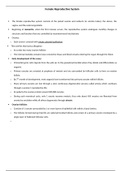
Topics
● Scene Size-Up
Scene Size-Up
● Elements
○ Checking scene safety
○ Taking Standard Precautions
○ Noting the mechanism of injury or nature of patient’s illness
○ Determining the number of patients
○ Deciding what additional resources may be necessary
Scene Safety
● The only predictable thing about emergencies is that are often unpredictable and can
pose many dangers
● As you near the collision scene
○ Look and listen for other emergency units approaching
○ Look for signs of a collision-related power outage
○ Observe traffic flow
○ Look for smoke in the direction of the collision scene
● When within sight of scene
○ Look for clues indicating escaped hazardous materials
○ Look for collision victims on or near the road
○ Look for smoke not seen at a distance
○ Look for broken utility poles and downed wires
○ Be alert for persons walking along side of road toward collision scene
○ Watch for signals of police officers and other emergency service personnel
● As you reach the scene
○ Follow instructions of person in charge
○ Don appropriate protective apparel including head protection, a bunker coat, and
an ANSI-approved reflective vest over your coat
○ Sniff for odors that may indicate a hazardous materials release
Establishing the Danger Zone
● Around the wreckage of every vehicle collision
● Specific guidelines for establishing zone
○ When there are no apparent hazards
■ At least fifty feet in all directions
○ When fuel has been spiled
■ One hundred feet in all directions from wreckage and fuel
○ When a vehicle is on fire
■ At least one hundred feet in all directions
○ When wires are down
Topics
● Scene Size-Up
Scene Size-Up
● Elements
○ Checking scene safety
○ Taking Standard Precautions
○ Noting the mechanism of injury or nature of patient’s illness
○ Determining the number of patients
○ Deciding what additional resources may be necessary
Scene Safety
● The only predictable thing about emergencies is that are often unpredictable and can
pose many dangers
● As you near the collision scene
○ Look and listen for other emergency units approaching
○ Look for signs of a collision-related power outage
○ Observe traffic flow
○ Look for smoke in the direction of the collision scene
● When within sight of scene
○ Look for clues indicating escaped hazardous materials
○ Look for collision victims on or near the road
○ Look for smoke not seen at a distance
○ Look for broken utility poles and downed wires
○ Be alert for persons walking along side of road toward collision scene
○ Watch for signals of police officers and other emergency service personnel
● As you reach the scene
○ Follow instructions of person in charge
○ Don appropriate protective apparel including head protection, a bunker coat, and
an ANSI-approved reflective vest over your coat
○ Sniff for odors that may indicate a hazardous materials release
Establishing the Danger Zone
● Around the wreckage of every vehicle collision
● Specific guidelines for establishing zone
○ When there are no apparent hazards
■ At least fifty feet in all directions
○ When fuel has been spiled
■ One hundred feet in all directions from wreckage and fuel
○ When a vehicle is on fire
■ At least one hundred feet in all directions
○ When wires are down