AORN Final Exam Questions with Correct
Answers
Save
Terms in this set (116)
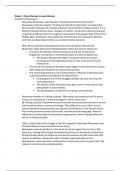
Contact: MRSA, C Dif, direct (people) or indirect
(instruments)
Droplet: keep patients 3 feet away, put mask on for
transport
Transmission Based
Precautions
Airborne: TB, rubeola, varicella, bypass pre-op, wear
PPE, N95 mask, HEPA filtered room, wait to clean for
28 minutes for room to filter 99%, last case of day,
single patient room, mask for transport, DO NOT need
to contact risk management
Source or reservoir: people, door handle
Principle Elements of an
Susceptible host: port of entry into human
Infection
Method of Transmission: direct, droplet, etc.
*one of the most effective ways to prevent disease
transmissions
Hand hygiene: nurse wash hands PRIOR to greeting
Standard Precautions
patient in pre-op
PPE
Patient resuscitation
Environmental control/contamination
, PPE: protects mucous membranes
Garments: clothing protects skin
Masks: protects mouth
OSHA Blood Borne Eye protection: splashing
Pathogen Standards Surgical Caps and Coverings
Gloves: need two lays to avoid barrier failure or micro
perforations
*don't use paper PPE
Most from patient's own flora
*Sterile technique: all term members need to utilize
this
*Surgical Attire: suit, mask, cap, etc
*Skin Antisepsis: remove transient bacteria and
Prevention of SSI
resident microbes with least friction
Hand hygiene
Minimizing OR traffic
Sterilization Method
Test/Treat Staph aureus pre-operatively
MRSA:
VRE:
Multi-Drug Resistant how to prevent in a hospital setting: contact
Organisms precautions until test negative, hand hygiene,
environmental cleaning, educate staff about behavior,
prevent UTIs and lower resp. infections
hand hygiene, sterile technique, daily baths, use CHG
Prevention of CLABSI with alcohol, scrub hub, change soiled dressings, try
to DC it as soon as possible
*most common HAI
aseptic technique, use for appropriate indications,
Prevention of CAUTI
remove as soon as possible, identify at risk patients
(obstetric patients)
, Not infected or inflamed
Did not enter respiratory, alimentary or genitourinary
tract
Wound Class: Class 1
Wound closed primarily closed or with bulb drain
Clean
non penetrating blunt Trauma
ex: fresh surgical incision total knee, hernia repair,
breast surgery, thyroidectomy, laminectomy
Not infected or inflamed
Entered respiratory, alimentary or genitourinary tract
Wound Class: Class 2
under controlled conditions
Clean Contaminated
Ex: Colon resection, gall bladder, fetal demise, trach,
c section, hysterectomy
Break in sterile technique, unsterile instrument
Non purulent inflammation (no pus)
Wound Class: Class 3 Visible spilled from GI tract
Contaminated fresh, open accidental
Ex: open leg wound from car accident, c section with
meconcium, fetal demise with infection
Retained devitalized tissue like gangrene, presence of
Wound Class: Class 4 purulence (pus)
Dirty, infected ex: perforated appendix with purulent drainage,
debridement, systemic infection, necrosis
Varicella, Hep B, Influenza
Immunity from pertussis, rubella, measles, mumps,
Vaccinations for HC
tetanus, typhoid
Workers
TB screening annually
Answers
Save
Terms in this set (116)
Contact: MRSA, C Dif, direct (people) or indirect
(instruments)
Droplet: keep patients 3 feet away, put mask on for
transport
Transmission Based
Precautions
Airborne: TB, rubeola, varicella, bypass pre-op, wear
PPE, N95 mask, HEPA filtered room, wait to clean for
28 minutes for room to filter 99%, last case of day,
single patient room, mask for transport, DO NOT need
to contact risk management
Source or reservoir: people, door handle
Principle Elements of an
Susceptible host: port of entry into human
Infection
Method of Transmission: direct, droplet, etc.
*one of the most effective ways to prevent disease
transmissions
Hand hygiene: nurse wash hands PRIOR to greeting
Standard Precautions
patient in pre-op
PPE
Patient resuscitation
Environmental control/contamination
, PPE: protects mucous membranes
Garments: clothing protects skin
Masks: protects mouth
OSHA Blood Borne Eye protection: splashing
Pathogen Standards Surgical Caps and Coverings
Gloves: need two lays to avoid barrier failure or micro
perforations
*don't use paper PPE
Most from patient's own flora
*Sterile technique: all term members need to utilize
this
*Surgical Attire: suit, mask, cap, etc
*Skin Antisepsis: remove transient bacteria and
Prevention of SSI
resident microbes with least friction
Hand hygiene
Minimizing OR traffic
Sterilization Method
Test/Treat Staph aureus pre-operatively
MRSA:
VRE:
Multi-Drug Resistant how to prevent in a hospital setting: contact
Organisms precautions until test negative, hand hygiene,
environmental cleaning, educate staff about behavior,
prevent UTIs and lower resp. infections
hand hygiene, sterile technique, daily baths, use CHG
Prevention of CLABSI with alcohol, scrub hub, change soiled dressings, try
to DC it as soon as possible
*most common HAI
aseptic technique, use for appropriate indications,
Prevention of CAUTI
remove as soon as possible, identify at risk patients
(obstetric patients)
, Not infected or inflamed
Did not enter respiratory, alimentary or genitourinary
tract
Wound Class: Class 1
Wound closed primarily closed or with bulb drain
Clean
non penetrating blunt Trauma
ex: fresh surgical incision total knee, hernia repair,
breast surgery, thyroidectomy, laminectomy
Not infected or inflamed
Entered respiratory, alimentary or genitourinary tract
Wound Class: Class 2
under controlled conditions
Clean Contaminated
Ex: Colon resection, gall bladder, fetal demise, trach,
c section, hysterectomy
Break in sterile technique, unsterile instrument
Non purulent inflammation (no pus)
Wound Class: Class 3 Visible spilled from GI tract
Contaminated fresh, open accidental
Ex: open leg wound from car accident, c section with
meconcium, fetal demise with infection
Retained devitalized tissue like gangrene, presence of
Wound Class: Class 4 purulence (pus)
Dirty, infected ex: perforated appendix with purulent drainage,
debridement, systemic infection, necrosis
Varicella, Hep B, Influenza
Immunity from pertussis, rubella, measles, mumps,
Vaccinations for HC
tetanus, typhoid
Workers
TB screening annually