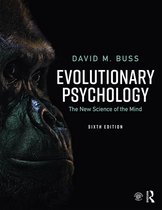
TEST BANK
All Chapters Included
,TABLE OF CONTENT
Part 1 - Foundations of Evolutionary Psychology
Chapter 1 - The Scientific Movements Leading to Evolutionary Psychology
Chapter 2 - The New Science of Evolutionary Psychology
Part 2 - Problems of Survival
Chapter 3 - Combating the Hostile Forces of Nature
Part 3 - Challenges of Sex and Mating
Chapter 4 - Women’s Long-Term Mating strategies
Chapter 5 - Men’s Long-Term Mating Strategies
Chapter 6 - Short-Term Sexual Strategies
Part 4 - Challenges of Parenting and Kinship
,Chapter 7 - Problems of Parenting
Chapter 8 - Problems of Kinship
Part 5 - Problems of Group Living
Chapter 9 - Cooperative Alliances
Chapter 10 - Aggression and Warfare
Chapter 11 - Conflict between the Sexes
Chapter 12 - Status, Prestige, and Social Dominance
Chapter 13 - Toward a Unified Evolutionary Psychology
, ANSWERS ARE LOCATED AT THE END OF EACH CHAPTER
Multiple Choice Questions
1. Which of the following questions is NOT a focus of evolutionary psychology?
(c)
(a) Why is the mind designed the way that it is?
(b) How do the components of the mind interact with the environment?
(c) What is the relationship between the human mind and the Big Bang?
(d) What are the functions of the components of the human mind?
2. Evolution refers to . (a)
(a) changes in gene frequency within a population over time
(b) differences between species
(c) changes over time in the shape of the human skull
(d) differences between men and women
3. Change in life forms over time was suggested . (b)
(a) first by Darwin
(b) well before Darwin’s time
(c) well after Darwin’s time
(d) first by George Williams
4. Which of the following arguments did Lamarck present? (d)
(a) Species originate from microscopic algae.
(b) Species progress toward a lower form.
(c) acquisition of inherited characteristics.
(d) inheritance of acquired characteristics.
5. According to Cuvier’s theory of catastrophism, species are
. (a)
(a) exterminated by sudden catastrophes and replaced by
different species
All Chapters Included
,TABLE OF CONTENT
Part 1 - Foundations of Evolutionary Psychology
Chapter 1 - The Scientific Movements Leading to Evolutionary Psychology
Chapter 2 - The New Science of Evolutionary Psychology
Part 2 - Problems of Survival
Chapter 3 - Combating the Hostile Forces of Nature
Part 3 - Challenges of Sex and Mating
Chapter 4 - Women’s Long-Term Mating strategies
Chapter 5 - Men’s Long-Term Mating Strategies
Chapter 6 - Short-Term Sexual Strategies
Part 4 - Challenges of Parenting and Kinship
,Chapter 7 - Problems of Parenting
Chapter 8 - Problems of Kinship
Part 5 - Problems of Group Living
Chapter 9 - Cooperative Alliances
Chapter 10 - Aggression and Warfare
Chapter 11 - Conflict between the Sexes
Chapter 12 - Status, Prestige, and Social Dominance
Chapter 13 - Toward a Unified Evolutionary Psychology
, ANSWERS ARE LOCATED AT THE END OF EACH CHAPTER
Multiple Choice Questions
1. Which of the following questions is NOT a focus of evolutionary psychology?
(c)
(a) Why is the mind designed the way that it is?
(b) How do the components of the mind interact with the environment?
(c) What is the relationship between the human mind and the Big Bang?
(d) What are the functions of the components of the human mind?
2. Evolution refers to . (a)
(a) changes in gene frequency within a population over time
(b) differences between species
(c) changes over time in the shape of the human skull
(d) differences between men and women
3. Change in life forms over time was suggested . (b)
(a) first by Darwin
(b) well before Darwin’s time
(c) well after Darwin’s time
(d) first by George Williams
4. Which of the following arguments did Lamarck present? (d)
(a) Species originate from microscopic algae.
(b) Species progress toward a lower form.
(c) acquisition of inherited characteristics.
(d) inheritance of acquired characteristics.
5. According to Cuvier’s theory of catastrophism, species are
. (a)
(a) exterminated by sudden catastrophes and replaced by
different species