(PEDI) Chapter 29 Highlights
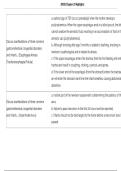
a. earliest sign of TEF (occurs prenatally) when the mother develops
polyhydramnios. When the upper esophagus ends in a blind pouch, the fet
cannot swallow the amniotic fluid, resulting in an accumulation of fluid in th
amniotic sac (polyhydramnios).
Discuss manifestations of three common
b. Although drooling after age 3 months is related to teething, drooling in a
gastroinintestinal congenital disorders
newborn is pathological and is related to atresia.
and infants.....(Esophageal Atresia
c. If the upper esophagus enters the trachea, then the first feeding will ente
(Tracheoesophageal Fistula)
trachea and result in coughing, choking, cyanosis, and apnea.
d. If the lower end of the esophagus (from the stomach) enters the trachea
air will enter the stomach each time the infant breathes, causing abdominal
distention.
a. routine part of the newborn assessment is determining the patency of th
Discuss manifestations of three common anus.
gastroinintestinal congenital disorders b. Failure to pass meconium in the first 24 hours must be reported.
and infants.....(Imperforate Anus) c. Infants should not be discharged to the home before a meconium stool
passed.
, (PEDI) Chapter 29 Highlights
a. Vomiting is the outstanding symptom of this disorder, which presents at a
2 to 3 weeks of age.
Discuss manifestations of three common b. The force progresses until most of the food is ejected a considerable dis
gastroinintestinal congenital disorders from the mouth. This is termed projectile vomiting, and it occurs immediate
and infants.....(Pyloric Stenosis) after feeding.
c. The vomitus contains mucus and ingested milk.
d. The infant is constantly hungry and will eat again immediately after vomit
a. The dehydrated infant is given intravenous (IV) fluids preoperatively to re
fluid and electrolyte balance. If this is not done, shock may occur during
surgery.
b. The infant is burped before as well as during feedings to remove any gas
accumulated in the stomach.
c. The feeding is done slowly, and the infant is handled gently and as little a
Discuss the nursing care and possible. The infant is placed on the right side after feedings to facilitate
postoperative nursing care of an infant drainage into the intestine.
with pyloric stenosis..... d. If vomiting occurs, then the nurse may be instructed to refeed the infant.
e. Charting of the feeding includes time, (type, and amount offered, the am
taken and retained, and the type and amount of vomiting).
f. The nurse also notes whether the infant appeared hungry after the feedin
if vomiting occurred again.
g. The care of the infant after surgery includes a careful observation of vital
and the administration of IV fluids. The wound site is inspected frequently.
, (PEDI) Chapter 29 Highlights
a. Symptoms not evident until infant is 6 months to 2 years of age, when foo
containing gluten are introduced.
b. Repeated exposure to gluten damages the villi in the mucous membrane
Discuss the manifestation and dietary the intestine, (malabsorption).
management of celiac disease (classic c. The infant presents with failure to thrive. Diarrhea and steatorrhea (exces
celiac disease)...... in the stool) are common.
d. Classic celiac disease: atrophy of the villi of the small intestine
(malabsorption, diarrhea, and abdominal pain). e. It is typically diagnosed
between the ages of 6 and 18 months of age.
a. Atypical celiac disease includes mild GI symptoms such as reflux and blo
Discuss the manifestation and dietary
b. Malabsorption is manifested by anemia, fatigue, vitamin deficiencies, and
management of celiac disease (Atypical
peripheral neuropathy.
celiac disease)......
c. This form is usually diagnosed upon diagnostic screening tests.
Discuss the manifestation and dietary a. Refractory celiac disease is when the disease has been diagnosed.
management of celiac disease b. The patient continues to have symptoms even when following a strict die
(Refractory celiac disease)...... 6 to 12 months.
a. Latent celiac disease may not have atrophy of the intestinal villi but may
Discuss the manifestation and dietary
manifest a wheat sensitivity by a recurring rash, and positive lab tests for ce
management of celiac disease (Latent
disease.
celiac disease)......
b. These patients are at risk of developing celiac disease in the future.
a. earliest sign of TEF (occurs prenatally) when the mother develops
polyhydramnios. When the upper esophagus ends in a blind pouch, the fet
cannot swallow the amniotic fluid, resulting in an accumulation of fluid in th
amniotic sac (polyhydramnios).
Discuss manifestations of three common
b. Although drooling after age 3 months is related to teething, drooling in a
gastroinintestinal congenital disorders
newborn is pathological and is related to atresia.
and infants.....(Esophageal Atresia
c. If the upper esophagus enters the trachea, then the first feeding will ente
(Tracheoesophageal Fistula)
trachea and result in coughing, choking, cyanosis, and apnea.
d. If the lower end of the esophagus (from the stomach) enters the trachea
air will enter the stomach each time the infant breathes, causing abdominal
distention.
a. routine part of the newborn assessment is determining the patency of th
Discuss manifestations of three common anus.
gastroinintestinal congenital disorders b. Failure to pass meconium in the first 24 hours must be reported.
and infants.....(Imperforate Anus) c. Infants should not be discharged to the home before a meconium stool
passed.
, (PEDI) Chapter 29 Highlights
a. Vomiting is the outstanding symptom of this disorder, which presents at a
2 to 3 weeks of age.
Discuss manifestations of three common b. The force progresses until most of the food is ejected a considerable dis
gastroinintestinal congenital disorders from the mouth. This is termed projectile vomiting, and it occurs immediate
and infants.....(Pyloric Stenosis) after feeding.
c. The vomitus contains mucus and ingested milk.
d. The infant is constantly hungry and will eat again immediately after vomit
a. The dehydrated infant is given intravenous (IV) fluids preoperatively to re
fluid and electrolyte balance. If this is not done, shock may occur during
surgery.
b. The infant is burped before as well as during feedings to remove any gas
accumulated in the stomach.
c. The feeding is done slowly, and the infant is handled gently and as little a
Discuss the nursing care and possible. The infant is placed on the right side after feedings to facilitate
postoperative nursing care of an infant drainage into the intestine.
with pyloric stenosis..... d. If vomiting occurs, then the nurse may be instructed to refeed the infant.
e. Charting of the feeding includes time, (type, and amount offered, the am
taken and retained, and the type and amount of vomiting).
f. The nurse also notes whether the infant appeared hungry after the feedin
if vomiting occurred again.
g. The care of the infant after surgery includes a careful observation of vital
and the administration of IV fluids. The wound site is inspected frequently.
, (PEDI) Chapter 29 Highlights
a. Symptoms not evident until infant is 6 months to 2 years of age, when foo
containing gluten are introduced.
b. Repeated exposure to gluten damages the villi in the mucous membrane
Discuss the manifestation and dietary the intestine, (malabsorption).
management of celiac disease (classic c. The infant presents with failure to thrive. Diarrhea and steatorrhea (exces
celiac disease)...... in the stool) are common.
d. Classic celiac disease: atrophy of the villi of the small intestine
(malabsorption, diarrhea, and abdominal pain). e. It is typically diagnosed
between the ages of 6 and 18 months of age.
a. Atypical celiac disease includes mild GI symptoms such as reflux and blo
Discuss the manifestation and dietary
b. Malabsorption is manifested by anemia, fatigue, vitamin deficiencies, and
management of celiac disease (Atypical
peripheral neuropathy.
celiac disease)......
c. This form is usually diagnosed upon diagnostic screening tests.
Discuss the manifestation and dietary a. Refractory celiac disease is when the disease has been diagnosed.
management of celiac disease b. The patient continues to have symptoms even when following a strict die
(Refractory celiac disease)...... 6 to 12 months.
a. Latent celiac disease may not have atrophy of the intestinal villi but may
Discuss the manifestation and dietary
manifest a wheat sensitivity by a recurring rash, and positive lab tests for ce
management of celiac disease (Latent
disease.
celiac disease)......
b. These patients are at risk of developing celiac disease in the future.