

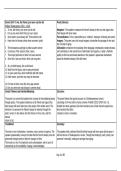
Sonnet 104: To me, fair friend, you never can be old Poetic Devices:
William Shakespeare (1564 – 1616)
1. To me, fair friend, you never can be old, Metaphor: The speaker compares the friend’s beauty to the sun and argues that
2. For as you were when first your eye I eyed, their beauty will never wane.
3. Such seems your beauty still. Three winters cold Personification: Time is personified as a “ruthless”; destroyer of beauty and youth.
4. Have from the forests shook three summers’ pride, Imagery: The poem uses vivid visual imagery to describe the passage of time and
the concept of aging.
5. Three beauteous springs to yellow autumn turned Alliteration: enhances the musicality of the language, emphasises certain phrases,
6. In process of the seasons have I seen, and contributes to the overall tone of admiration and urgency. It adds a rhythmic
7. Three April perfumes in three hot Junes burned, quality to the lines and draws attention to the speaker’s passionate declaration
8. Since first I saw you fresh, which yet are green. about the timeless beauty of the fair friend.
9. Ah, yet doth beauty, like a dial-hand,
10. Steal from his figure, and no pace perceived;
11. So your sweet hue, which methinks still doth stand,
12. Hath motion, and mine eye may be deceived:
13. For fear of which, hear this, thou age unbred:
14. Ere you were born was beauty’s summer dead.
Central Themes and Intention/Meaning: Structure:
The poem is a sonnet that explores the concept of immortalising beauty The poem follows the typical structure of a Shakespearean sonnet,
through poetry. The speaker addresses a fair friend and argues that consisting of 14 lines with a rhyme scheme of ABAB CDCD EFEF GG. It is
their beauty will never fade due to the power of the written word. The divided into three quatrains (four-lined sections) and a final rhymed couplet (two-
intention is to preserve the friend’s beauty for eternity through the lined section) that often
poet’s verses. It also delves into the themes of love, time, and the contains a twist or resolution.
eternal
nature of art.
Tone/Mood: Summary:
The tone is one of admiration, reverence, and a sense of urgency. The The speaker tells a beloved friend that their beauty will never grow old because it
speaker passionately conveys the idea that the friend’s beauty must be will live forever in Shakespeare’s verses. Though time destroys youth, poetry can
preserved through poetry to defy the ravages of time. preserve it eternally, making art stronger than aging.
The mood is a mix of romanticism and contemplation, with a touch of
melancholy as the inevitability of aging is acknowledged.
Page 1 of 15
, The Sun Rising Poetic Devices:
John Donne (1573 – 1631)
Metaphysical Conceit: Extended metaphor comparing the lovers; bed to the entire
1. Busy old fool, unruly sun, world, diminishing the significance of the sun.
2. Why dost thou thus, Personification: Addressing the sun as if it were an intrusive person.
3. Through windows, and through curtains call on us? Imagery: Vivid descriptions of the lovers; bed and the sun’s activities.
4. Must to thy motions lovers' seasons run? Repetition: Repeatedly asserting the power of love over natural forces.
5. Saucy pedantic wretch, go chide Central Themes and Intention/Meaning:
6. Late school boys and sour prentices,
7. Go tell court huntsmen that the king will ride, The poem is a dramatic monologue in which the speaker addresses the sun,
8. Call country ants to harvest offices, criticising its intrusion upon his intimate space with his beloved. The intention is to
9. Love, all alike, no season knows nor clime, declare the power of love over natural forces and to celebrate the intimacy shared
10. Nor hours, days, months, which are the rags of time. between the lovers. Themes include love, time, and the relationship between the
11. Thy beams, so reverend and strong microcosm of love and the macrocosm of the universe.
Structure:
12. Why shouldst thou think?
13. I could eclipse and cloud them with a wink, Comprises three stanzas, each with eleven lines. Irregular rhyme scheme, though
14. But that I would not lose her sight so long; mostly ABABCDCDEFE. Each stanza presents a distinct argument or theme, often
15. If her eyes have not blinded thine, with a logical progression.
16. Look, and tomorrow late, tell me, Tone/Mood:
17. Whether both th' Indias of spice and mine
18. Be where thou leftst them, or lie here with me. The tone is defiant, confident, and playful. The mood is celebratory of love’s
19. Ask for those kings whom thou saw'st yesterday, supremacy and intimacy, but also contains elements of defiance and a touch of
20. And thou shalt hear, All here in one bed lay. sarcasm towards the sun.
21. She's all states, and all princes, I,
22. Nothing else is.
Summary:
23. Princes do but play us; compared to this,
24. All honor's mimic, all wealth alchemy. The speaker scolds the sun for interrupting his time with his lover, claiming their
25. Thou, sun, art half as happy as we, love is so powerful it outshines and outweighs the sun and the entire world. Their
26. In that the world's contracted thus. bed becomes the true centre of the universe, proving love’s supremacy over time
27. Thine age asks ease, and since thy duties be and nature.
28. To warm the world, that's done in warming us.
29. Shine here to us, and thou art everywhere;
30. This bed thy center is, these walls, thy sphere.
Page 2 of 15
William Shakespeare (1564 – 1616)
1. To me, fair friend, you never can be old, Metaphor: The speaker compares the friend’s beauty to the sun and argues that
2. For as you were when first your eye I eyed, their beauty will never wane.
3. Such seems your beauty still. Three winters cold Personification: Time is personified as a “ruthless”; destroyer of beauty and youth.
4. Have from the forests shook three summers’ pride, Imagery: The poem uses vivid visual imagery to describe the passage of time and
the concept of aging.
5. Three beauteous springs to yellow autumn turned Alliteration: enhances the musicality of the language, emphasises certain phrases,
6. In process of the seasons have I seen, and contributes to the overall tone of admiration and urgency. It adds a rhythmic
7. Three April perfumes in three hot Junes burned, quality to the lines and draws attention to the speaker’s passionate declaration
8. Since first I saw you fresh, which yet are green. about the timeless beauty of the fair friend.
9. Ah, yet doth beauty, like a dial-hand,
10. Steal from his figure, and no pace perceived;
11. So your sweet hue, which methinks still doth stand,
12. Hath motion, and mine eye may be deceived:
13. For fear of which, hear this, thou age unbred:
14. Ere you were born was beauty’s summer dead.
Central Themes and Intention/Meaning: Structure:
The poem is a sonnet that explores the concept of immortalising beauty The poem follows the typical structure of a Shakespearean sonnet,
through poetry. The speaker addresses a fair friend and argues that consisting of 14 lines with a rhyme scheme of ABAB CDCD EFEF GG. It is
their beauty will never fade due to the power of the written word. The divided into three quatrains (four-lined sections) and a final rhymed couplet (two-
intention is to preserve the friend’s beauty for eternity through the lined section) that often
poet’s verses. It also delves into the themes of love, time, and the contains a twist or resolution.
eternal
nature of art.
Tone/Mood: Summary:
The tone is one of admiration, reverence, and a sense of urgency. The The speaker tells a beloved friend that their beauty will never grow old because it
speaker passionately conveys the idea that the friend’s beauty must be will live forever in Shakespeare’s verses. Though time destroys youth, poetry can
preserved through poetry to defy the ravages of time. preserve it eternally, making art stronger than aging.
The mood is a mix of romanticism and contemplation, with a touch of
melancholy as the inevitability of aging is acknowledged.
Page 1 of 15
, The Sun Rising Poetic Devices:
John Donne (1573 – 1631)
Metaphysical Conceit: Extended metaphor comparing the lovers; bed to the entire
1. Busy old fool, unruly sun, world, diminishing the significance of the sun.
2. Why dost thou thus, Personification: Addressing the sun as if it were an intrusive person.
3. Through windows, and through curtains call on us? Imagery: Vivid descriptions of the lovers; bed and the sun’s activities.
4. Must to thy motions lovers' seasons run? Repetition: Repeatedly asserting the power of love over natural forces.
5. Saucy pedantic wretch, go chide Central Themes and Intention/Meaning:
6. Late school boys and sour prentices,
7. Go tell court huntsmen that the king will ride, The poem is a dramatic monologue in which the speaker addresses the sun,
8. Call country ants to harvest offices, criticising its intrusion upon his intimate space with his beloved. The intention is to
9. Love, all alike, no season knows nor clime, declare the power of love over natural forces and to celebrate the intimacy shared
10. Nor hours, days, months, which are the rags of time. between the lovers. Themes include love, time, and the relationship between the
11. Thy beams, so reverend and strong microcosm of love and the macrocosm of the universe.
Structure:
12. Why shouldst thou think?
13. I could eclipse and cloud them with a wink, Comprises three stanzas, each with eleven lines. Irregular rhyme scheme, though
14. But that I would not lose her sight so long; mostly ABABCDCDEFE. Each stanza presents a distinct argument or theme, often
15. If her eyes have not blinded thine, with a logical progression.
16. Look, and tomorrow late, tell me, Tone/Mood:
17. Whether both th' Indias of spice and mine
18. Be where thou leftst them, or lie here with me. The tone is defiant, confident, and playful. The mood is celebratory of love’s
19. Ask for those kings whom thou saw'st yesterday, supremacy and intimacy, but also contains elements of defiance and a touch of
20. And thou shalt hear, All here in one bed lay. sarcasm towards the sun.
21. She's all states, and all princes, I,
22. Nothing else is.
Summary:
23. Princes do but play us; compared to this,
24. All honor's mimic, all wealth alchemy. The speaker scolds the sun for interrupting his time with his lover, claiming their
25. Thou, sun, art half as happy as we, love is so powerful it outshines and outweighs the sun and the entire world. Their
26. In that the world's contracted thus. bed becomes the true centre of the universe, proving love’s supremacy over time
27. Thine age asks ease, and since thy duties be and nature.
28. To warm the world, that's done in warming us.
29. Shine here to us, and thou art everywhere;
30. This bed thy center is, these walls, thy sphere.
Page 2 of 15


